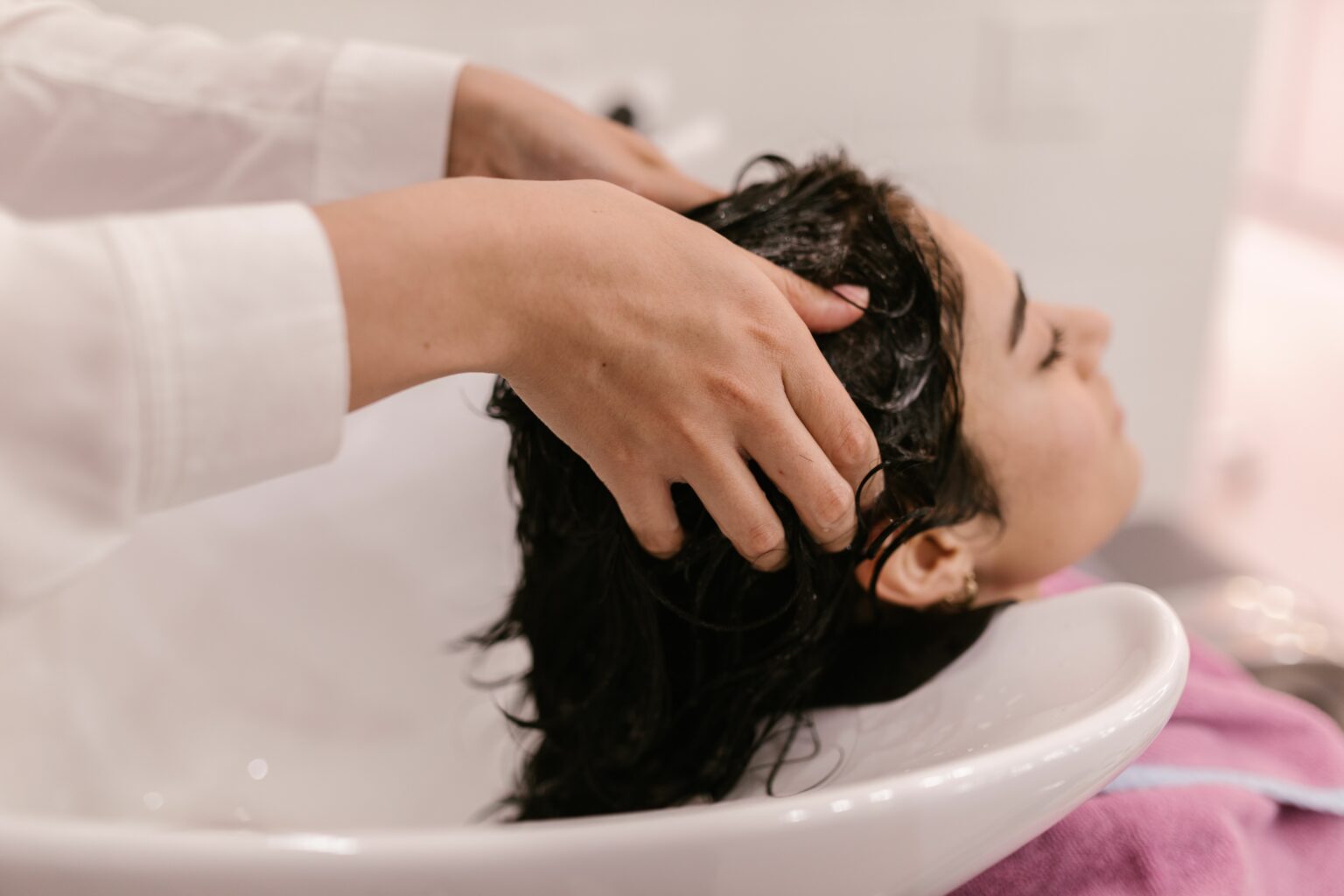
Your scalp deserves just as much attention as the skin on your face. A dry, tight, itchy or flaky scalp can be uncomfortable, particularly during colder, drier winter months or when environmental conditions and hair products disrupt the scalp’s natural moisture barrier.
Also see: Easy tips for healthy hair edges
The good news is that proper scalp hydration does not have to involve a complicated routine. The key is to cleanse gently, replace lost moisture and avoid habits that can further irritate the scalp.
A healthy, hydrated scalp should feel comfortable rather than tight, excessively itchy or sore. Small white flakes, tightness after washing and persistent dryness can indicate that your scalp needs more moisture.
Start with lukewarm water
One of the simplest ways to protect scalp moisture is to avoid very hot showers.
Cold weather temperatures can increase moisture loss from the skin barrier, and hot water may make dryness and irritation worse. Dermatologist Dr Avela Mayekiso recommends washing the scalp with warm rather than hot water.
When washing your hair, use comfortably lukewarm water and finish with a thorough rinse rather than exposing your scalp to very hot water for prolonged periods.
Choose a gentle shampoo
Your shampoo should clean your scalp without leaving it feeling stripped or tight.
If your scalp is particularly dry or sensitive, consider a gentle, fragrance-free formula. Ingredients such as glycerine, urea, aloe vera, niacinamide and ceramides can help support hydration and the scalp barrier. There is much South African dermatology-focused guidance about avoiding unnecessarily harsh products when dealing with a dry scalp.
Don’t over-wash your scalp
There is no universal washing schedule that works for everyone.
People with oily scalps may need to wash more frequently, while someone with a dry or textured scalp may prefer less frequent washing. Dr Mayekiso notes that washing frequency can range from daily to approximately once a week depending on individual scalp oiliness and scaling.
The important thing is to pay attention to how your scalp responds. If it consistently feels tight, irritated or excessively dry after washing, your routine may be too aggressive.
Also see: Natural hair vs relaxed hair: Understanding your options
Moisturise your scalp
After washing, don’t wait until your scalp is completely dry before applying a suitable moisturising product.
Healthline recommends moisturising within about 10 minutes of washing, while the skin is still moist. Moisturising ingredients and occlusive ingredients such as glycerine, shea butter, jojoba oil, mineral oil, liquid paraffin and petroleum jelly can help.
For a scalp moisturiser, use a small amount and concentrate on genuinely dry areas rather than coating the entire scalp in heavy oils.
Consider the hair product you use
Styling gels, waxes, pomades, dry shampoo and other products can accumulate on the scalp. Excessive product build-up may contribute to irritation and an unhealthy scalp environment.
This can be particularly relevant if you regularly wear protective styles or use multiple styling products. Give your scalp an appropriate cleansing routine and avoid layering products unnecessarily.
Proper scalp hydration is less about using as many products as possible and more about protecting the scalp’s natural barrier.
Also see: Londie London Hair Studio joins Malondie SS26 as official hair partner
Be the first to know – Join our WhatsApp channel for content worth tapping into. Click here to join!