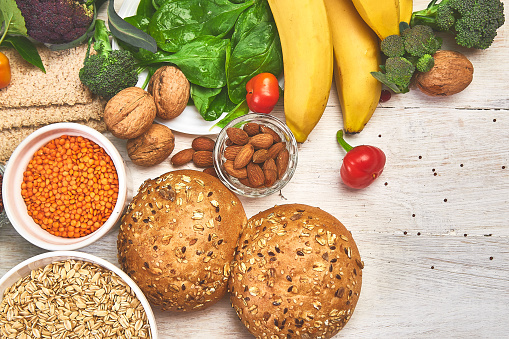
Fibre is an important part of a healthy, balanced diet, yet it’s easy to fall short when meals are built around highly refined foods. Fortunately, increasing your fibre intake doesn’t have to mean a complete diet overhaul. Small, everyday swaps can make a meaningful difference.
The World Health Organisation (WHO) recommends that adults consume at least 25g of naturally occurring dietary fibre a day, alongside vegetables and fruit.
Here’s how you can increase your fibre intake.
Also see: From fibre to tiramisu: The food trends shaping our plates in 2026
1. Choose whole grains
Swap refined grains for wholegrain alternatives where possible. Try oats for breakfast, brown rice with supper, or wholewheat bread for sandwiches. Whole grains such as oats, wheat, maize and brown rice are valuable sources of fibre.
2. Add beans and lentils
According to Affinity Health, beans, lentils, split peas and chickpeas are an easy way to boost fibre while adding plant-based protein to meals.
Stir lentils into a curry or pasta sauce, add beans to salads, or make a hearty bean-based stew. Healthy eating guidelines specifically recommend eating dry beans, split peas, lentils and soya regularly.
3. Make fruit and vegetables a daily habit
Aim for a variety of colourful vegetables and fruit throughout the day. Add berries or a banana to breakfast, keep fruit handy for snacks, and include vegetables with lunch and dinner. WHO recommends at least 400g of fruit and vegetables daily for adults.
Also see: Top 5 high-fibre foods to aid your digestive health
4. Snack on nuts and seeds
A small handful of unsalted nuts or seeds can add fibre and nutrients to your day. Sprinkle seeds over yoghurt or oats, or choose nuts instead of highly processed snacks.
5. Increase fibre gradually
If your current diet is low in fibre, increase it gradually rather than making a sudden change. Clicks recommends not going beyond 35g a day. Drink enough water and give your body time to adjust.
Most importantly, focus on variety: whole grains, legumes, fruit, vegetables, nuts and seeds can all contribute to a fibre-rich diet.
Also see: Fibre and ageing: why it matters for your health
Be the first to know – Join our WhatsApp channel for content worth tapping into. Click here to join!