With electricity costs continuing to put pressure on household budgets, experts are warning that some everyday kitchen habits could be quietly increasing monthly expenses without people realising it.
From boiling more water than needed to repeatedly opening the fridge, small actions that seem harmless can add up over time, particularly in a room where multiple energy-hungry appliances are used every day.
Renier Botha, finance expert at payday loan company Southern Finance, says households often focus on major expenses but overlook the smaller habits that can slowly push up their monthly costs.
“When people think about saving electricity, they usually look at big changes like replacing appliances or installing solar, but everyday behaviour also plays a role.”
“Small adjustments in the kitchen can help households avoid wasting energy and get more value from the appliances they already own.”
Boiling more water than you need
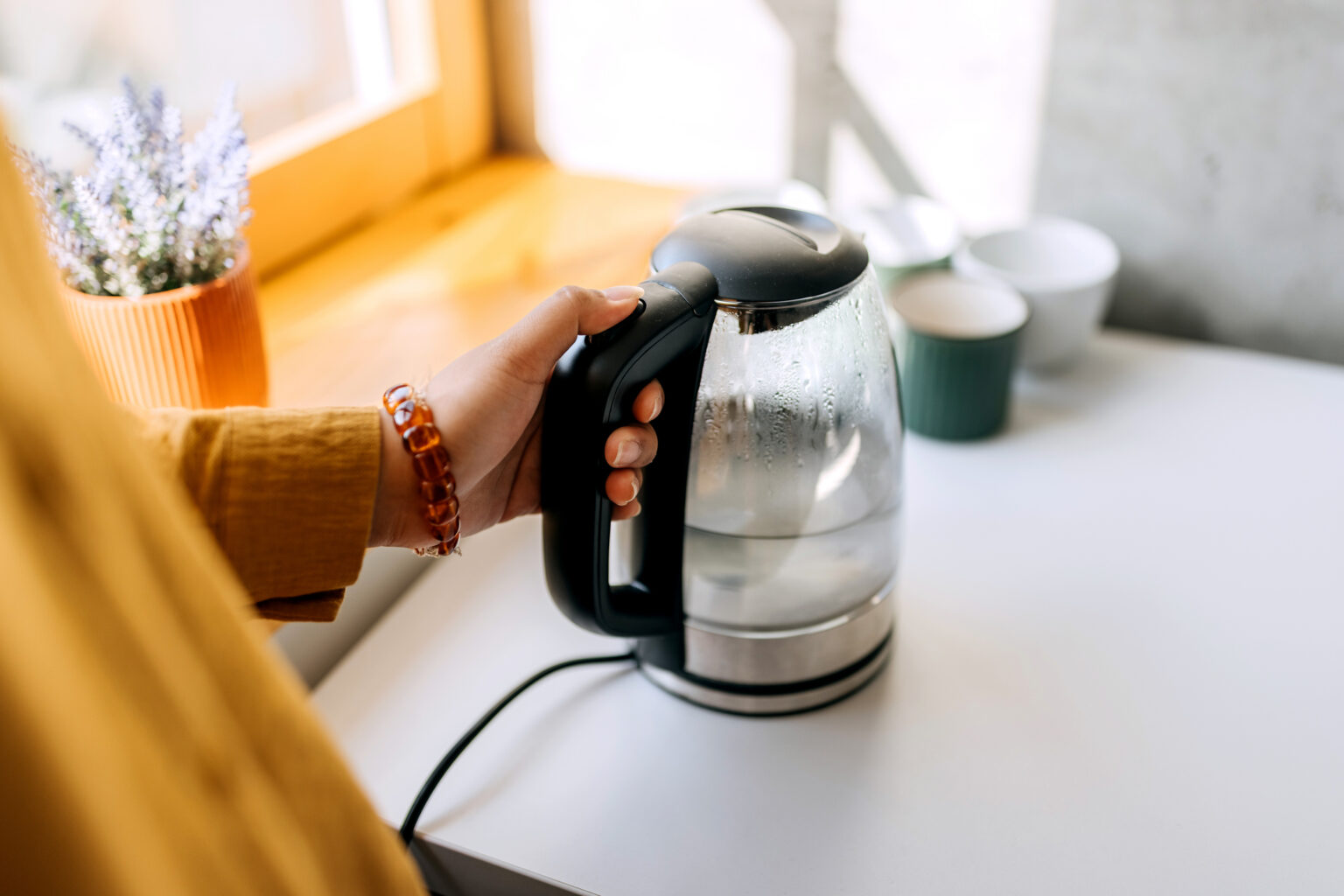
One of the most common kitchen habits is filling the kettle to the top, even when only one or two cups are needed.
While it may seem like a small amount of wasted energy, repeatedly heating unnecessary water throughout the day can increase electricity usage over time.
“Only boiling the amount of water you actually need is one of the easiest changes households can make. Over a month, those small moments of wasted energy can add up.”
Opening the fridge repeatedly
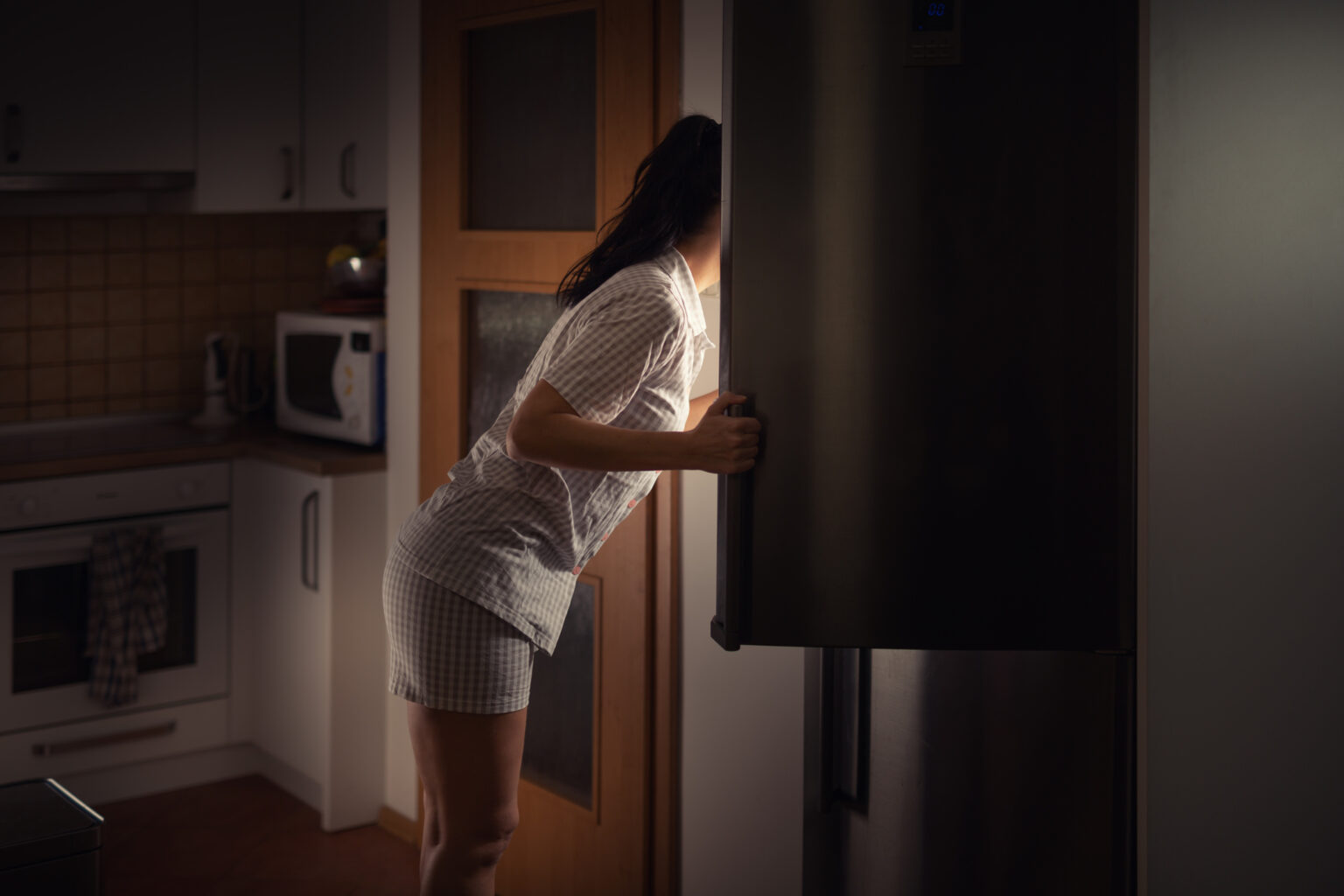
The fridge is one of the few household appliances that runs continuously, meaning small inefficiencies can affect energy consumption. Every time the fridge door is opened, warm air enters, and the appliance has to work harder to bring the temperature back down.
“Standing with the fridge door open while deciding what to eat is a habit many people do without thinking.
“Planning what you need before opening the fridge and closing the door as quickly as possible can help reduce unnecessary strain on the appliance.”
Also see: Smart ways to cut your electricity bill without sacrificing comfort
Overfilling the kettle
While underfilling the kettle wastes energy, overfilling it does too. Many people fill the kettle completely even when they only need enough water for one drink.
“People often do this because it feels quicker, but the kettle then uses energy heating water that may simply be poured away. Being more intentional about how much water you boil is a simple way to reduce waste.”
Using the wrong appliance for the job
Some kitchen appliances use significantly more energy than others, meaning choosing the wrong one can increase electricity usage.
For example:
- Using a large oven to heat a small portion of food.
- Using the stove when a microwave or air fryer may be quicker for smaller meals.
- Running a dishwasher that is only partly full.
“The most energy-efficient appliance is not always the biggest or most powerful one. It is the one that matches the task. Using smaller appliances for smaller jobs can help households avoid unnecessary energy use.”
Other kitchen habits that could be costing households
- Defrosting frozen food in the fridge instead of using extra energy to thaw it quickly.
- Keeping fridge and freezer temperatures at recommended settings.
- Avoiding placing hot food directly into the fridge, which makes the appliance work harder.
- Cleaning appliance seals and checking that doors close properly.
- Running dishwashers and washing machines only when they are full.
“Saving money does not always require major lifestyle changes. Often it is about noticing the small things you do every day and making choices that reduce waste.”
With household budgets under pressure, experts say the kitchen is one place where small changes could help South Africans take better control of their monthly expenses.
Also see: The everyday appliances secretly hiking your electricity bill
Be the first to know – Join our WhatsApp channel for content worth tapping into. Click here to join!