
Joint pain can make exercise feel intimidating. When movement causes discomfort, it is easy to assume that resting completely is the best option.
However, regular, appropriate physical activity can help maintain mobility, strengthen the muscles that support your joints and improve overall fitness.
Also see: Practical tips to recover faster after intense workouts
According to the NHS, low-impact activities such as swimming, walking, Pilates and yoga can be beneficial for people with arthritis. The key is finding activities that challenge your body without placing excessive stress on painful joints.
Low-impact workouts ideas
Walking
Walking is one of the simplest ways to stay active without putting the same level of impact on your joints as running or jumping.
The CDC describes walking, cycling and swimming as joint-friendly activities that place less stress on the body. It also notes that physical activity can improve pain, physical function, mood and quality of life for people with arthritis.
If you’re not used to exercising, start with a short, comfortable walk and gradually increase the duration.
Swimming and water exercise
Swimming can be particularly appealing if weight-bearing exercise is uncomfortable.
Water supports much of your body weight, which can make movement feel easier while still providing an opportunity to work your muscles and cardiovascular system.
The NHS recommends swimming and other low-impact activities for people managing arthritis and joint symptoms.
Water-based exercise can include swimming, walking through a pool or taking part in an aqua-aerobics class.
Cycling
Cycling provides a low-impact way to get your heart rate up while avoiding the repeated impact associated with running.
If outdoor cycling isn’t practical, a stationary bicycle can provide a controlled alternative. Start at a comfortable resistance and avoid pushing through significant pain.
The CDC identifies biking as one of the joint-friendly physical activities that can be suitable for people with arthritis.
Also see: How to romanticise your workouts so they feel less like chores
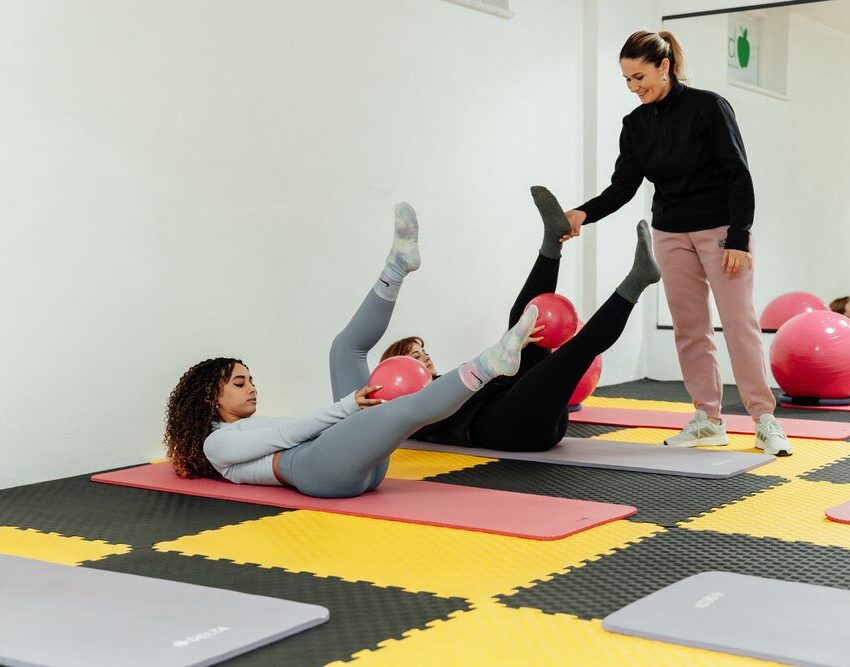
Pilates and gentle yoga
Gentle forms of Pilates and yoga can help with flexibility, balance and muscle strength.
The NHS lists Pilates and yoga among low-impact activities that can be helpful for people with arthritis.
However, not every movement will be suitable for every person. Modify exercises that place uncomfortable pressure on a painful joint and consider working with a qualified instructor who understands your limitations.
Gentle strength exercises
Low-impact exercise isn’t limited to cardio. Strength training can also be valuable because stronger muscles can provide better support around your joints.
According to the NHS, exercise for osteoarthritis should include activities that strengthen muscles as well as exercises that improve general fitness.
You might begin with simple movements using your body weight, resistance bands or light weights, depending on your abilities.
Start slowly
If you experience joint pain, you don’t need to jump into a demanding workout routine.
Begin with manageable amounts of activity and gradually increase your duration or intensity. Even shorter periods of movement can be useful when you’re building your fitness.
The NHS advises people with rheumatoid arthritis to increase exercise gradually and find a balance between rest and activity.
Listen to your body
Some discomfort doesn’t necessarily mean that exercise is harming your joints, but severe pain should not be ignored.
If an activity causes your joints to become warm and swollen or produces severe pain, the NHS advises stopping and resting.
You should also seek medical advice if joint pain is persistent, worsening, affecting your sleep or interfering with normal activities.
The bottom line
Having joint pain doesn’t necessarily mean you have to give up exercise. Walking, swimming, cycling, gentle yoga, Pilates and appropriate strength exercises can provide ways to stay active while reducing impact on the joints.
The best workout is one that suits your abilities, can be done consistently and doesn’t aggravate your symptoms. If you’re unsure where to begin—particularly if you have a diagnosed joint condition—speak to a doctor or physiotherapist about creating an exercise plan suited to you.
Also see: ‘Exercise snacks’: Can short workouts really make a difference?
Be the first to know – Join our WhatsApp channel for content worth tapping into. Click here to join!