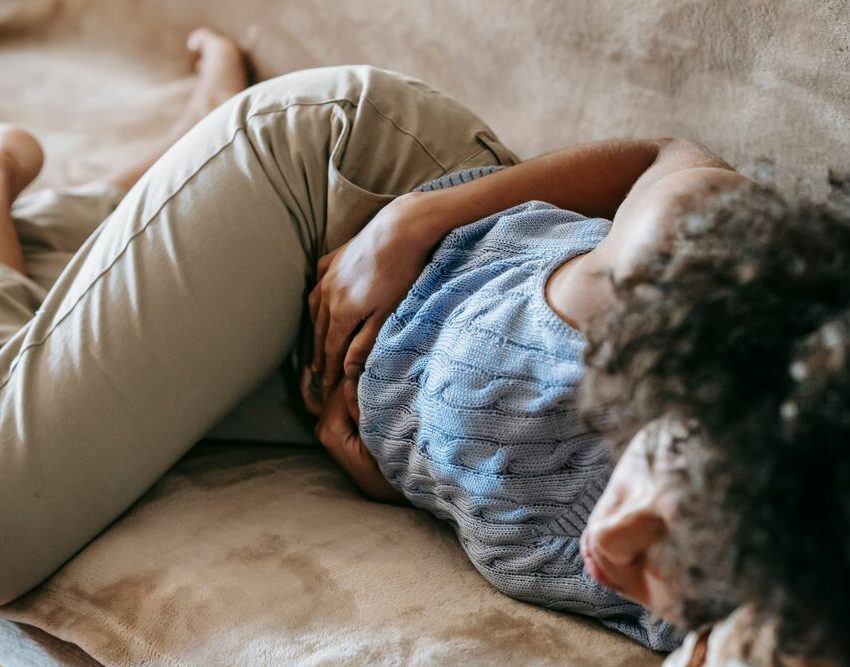
Menstrual cramps, bloating and fatigue are common symptoms that many women experience during their periods. While discomfort can range from mild to severe, several natural strategies may help ease symptoms and improve your overall well-being.
Also see: 5 Period red flags to consider
However, if your pain is severe, worsens over time or interferes with daily activities, it’s important to consult a healthcare professional, as it could be a sign of an underlying condition such as endometriosis or fibroids.
Here are some natural ways to help manage period discomfort.
Apply heat to ease cramps
One of the simplest and most effective remedies for menstrual cramps is heat therapy. Placing a heating pad, hot water bottle or warm compress on your lower abdomen can help relax the uterine muscles responsible for cramping.
According to the American College of Obstetricians and Gynaecologists (ACOG), heat therapy can be as effective as some pain-relief methods for reducing menstrual pain in some people.
Stay physically active
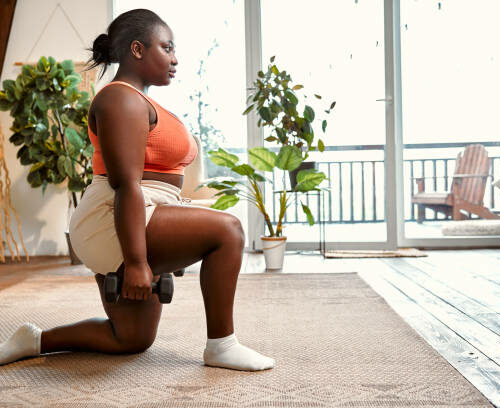
It may be tempting to skip exercise during your period, but gentle movement can actually help reduce discomfort.
Activities such as walking, yoga, stretching or swimming encourage the release of endorphins, the body’s natural pain relievers, while also improving mood and circulation.
The World Health Organisation (WHO) recommends regular physical activity as part of maintaining overall health and well-being.
Stay hydrated
Drinking enough water may help reduce bloating and improve overall comfort during your period.
You can also include hydrating foods like watermelon, cucumber and oranges in your meals to help maintain fluid balance.
Eat a balanced diet
The foods you eat can influence how you feel during your menstrual cycle.
Focus on:
- Fruits and vegetables
- Whole grains
- Lean proteins
- Healthy fats such as avocados, nuts and seeds
According to the Heart and Stroke Foundation South Africa, a balanced diet rich in whole foods supports overall health and may help reduce inflammation.
Limiting salty foods, sugary snacks and highly processed meals may also help reduce bloating.
Try gentle stretching or yoga
Certain yoga poses and stretching exercises may help relieve lower back pain and abdominal cramps by relaxing tense muscles.
Gentle movement also promotes relaxation and may help reduce stress, which can sometimes make menstrual symptoms feel worse.
Also see: 5 reasons why you experience cramps but no period
Prioritise quality sleep
Fatigue is a common period symptom. Aim for seven to nine hours of quality sleep each night to support your body’s recovery.
Maintaining a consistent bedtime routine and limiting screen time before bed may also improve sleep quality.
Manage stress
Stress can make period symptoms feel more intense.
Relaxation techniques such as deep breathing, meditation, mindfulness or listening to calming music may help lower stress levels and improve your overall mood during your cycle.
Consider herbal teas
Warm herbal teas such as ginger or peppermint tea may provide comfort and help soothe digestive discomfort for some people.
While some studies suggest ginger may help reduce menstrual pain, more research is needed. Speak to your healthcare provider before using herbal remedies regularly, especially if you take medication or have an existing health condition.
Keep track of your cycle
Using a calendar or period-tracking app can help you predict when your next period is due and prepare for any symptoms. Tracking your cycle can also help you identify changes that may require medical attention.
Know when to seek medical advice
While mild to moderate discomfort is common, you should speak to a healthcare professional if you experience:
- Severe pain that isn’t relieved by over-the-counter medication.
- Extremely heavy bleeding or bleeding between periods.
- Pain that suddenly becomes worse.
- Symptoms that interfere with work, school or daily life.
- Pain during sex or bowel movements.
These symptoms could indicate conditions such as endometriosis, adenomyosis or uterine fibroids, which require proper diagnosis and treatment.
The bottom line
Natural remedies such as staying active, using heat therapy, eating a balanced diet and getting enough rest can help ease common period discomfort for many women. Every person’s experience is different, so it may take some trial and error to find what works best for you.
If your symptoms are severe or persistent, don’t ignore them—seeking medical advice is the best way to rule out underlying health conditions and get appropriate treatment.
Also see: Things that will make your period more comfortable
Be the first to know – Join our WhatsApp channel for content worth tapping into. Click here to join!