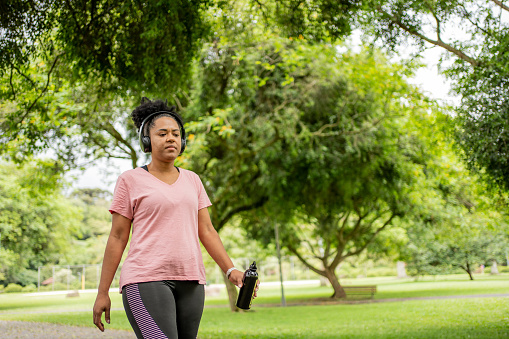
Walking is one of the simplest and most accessible forms of exercise, offering benefits for heart health, weight management and mental well-being. However, a few common mistakes can reduce its effectiveness and limit your results.
By making a few small adjustments, you can get more out of every walk.
Also see: Step into wellness: How walking barefoot can relieve stress and inflammation
Walking at the same pace every time
Sticking to one comfortable pace may feel easy, but it can slow your progress. Adding short bursts of faster walking, known as interval walking, increases your heart rate and burns more calories. Alternating between brisk and moderate speeds also helps improve cardiovascular fitness over time.
Ignoring your posture
Poor posture can place unnecessary strain on your neck, shoulders and lower back. As reported by Time Magazine, walking with a forward lean creates a cascade of problems. It shifts pressure to the front of the foot, which can aggravate toe pain and change how you move forward.
Stand tall with your shoulders relaxed, keep your gaze forward and engage your core muscles. Allow your arms to swing naturally to help improve balance and walking efficiency.
Wearing the wrong shoes
Supportive footwear is essential for comfort and injury prevention. Shoes that lack cushioning or proper support can contribute to foot pain, blisters and joint discomfort. Choose walking or running shoes that fit well and provide adequate arch support.
Also see: Fitness mistakes people make during winter
Skipping strength training
Walking is excellent for cardiovascular health, but it doesn’t strengthen all muscle groups equally. Including two strength-training sessions each week helps build muscle, improve balance and support healthy joints, making your walks easier and more effective.
Not challenging yourself
If your walks always follow the same route and distance, your body quickly adapts. Gradually increase your walking time, distance or include hills to continue improving endurance and fitness.
Forgetting to warm up and cool down
Starting too quickly and stopping abruptly can increase stiffness and discomfort. According to Medirite, even if you’re just doing a leisurely walk and return home barely having broken a sweat, stretching before and after is still worthwhile.
Begin with a few minutes of gentle walking to warm up and finish with a slower pace followed by light stretching to aid recovery.
Walking remains one of the best ways to stay active. By avoiding these common mistakes, you can maximise your workouts, reduce injury risk and enjoy greater long-term health benefits.
Also see: Why walking is the most underrated workout for women
Be the first to know – Join our WhatsApp channel for content worth tapping into. Click here to join!