

For many families, the festive season is a time of celebration. But for veterinarians, it’s one of the busiest and most stressful periods of the year. Emergency animal hospitals around the world report dramatic spikes in cases over the year-end holidays, with many linked directly to festive foods, decorations, and routine disruptions.
Cats and dogs are exposed to a completely different environment during the holidays,” explains Dr Karien Brink from Hill’s Pet Nutrition. “There are rich foods, tempting decorations, new visitors, travel, and stress. All of these increase the risk of serious, but preventable, emergencies.”
Here’s what vets see most commonly, and how to prevent your holiday from becoming a statistic.
1. Festive food = Digestive emergencies for dogs and cats
December brings indulgence for humans, and unfortunately, accidental indulgence for pets as well. Dogs may get into bins or scavenge dropped snacks, while cats may help themselves to unattended plates or nibble on fatty leftovers. Even small amounts of rich foods can trigger vomiting, diarrhoea, abdominal pain, or pancreatitis.
Scraps like cooked bones are especially dangerous for dogs as they can splinter and cause blockages or perforations. Both dogs and cats can react severely to foods containing gravy, fats, onions, or garlic.
“Most gastrointestinal emergencies in December come down to pets getting access to food they shouldn’t. Even a tiny amount of the wrong thing can make them very sick.”
Rather, stick to pet-formulated treats. If your cat or dog does experience tummy trouble, nutrition can play a crucial role in recovery. Hill’s Prescription Diet food for Digestive Care or Recovery is formulated to be highly palatable and calorically dense, helping pets regain strength and maintain energy when illness or surgery has taken its toll.
2. Decorations, ribbon, and tinsel = Serious risk for curious cats and dogs
Decorations are one of the biggest holiday hazards, especially for cats, who are naturally drawn to stringy, shiny objects.
Tinsel, ribbon, ornaments, and wrapping paper can cause intestinal obstructions if swallowed. Linear foreign bodies, where a long string-like object becomes lodged, are particularly common in cats and require emergency surgery.
Dogs, especially puppies, may chew on ornaments, lights, batteries, or plastic decorations, which can lead to choking, intestinal blockages, or electrical burns.
Keep your home safer by:
- Avoiding the use of tinsel where you can
- Keeping ribbon and wrapping paper out of reach
- Securing bins after unwrapping gifts
- Supervising cats around trees
- Protecting electrical cords
3. Toxic treats: What’s safe for humans can be dangerous for pets
The holiday season presents several high-risk ingredients that can be hazardous to both cats and dogs.
Common toxic exposures include:
- Chocolate (dogs at highest risk)
- Xylitol (found in sugar-free baking)
- Raisins and grapes (in fruitcake, mince pies, and snacks are extremely toxic to dogs)
- Onions and garlic (common in festive gravies, broths, and leftovers)
Both dogs and cats are sensitive to many sauces, marinades, and seasonings. Dogs may ingest larger quantities, thereby increasing the risk.
“These are some of the most serious emergencies we see,” says Dr Brink. “Toxins can have delayed symptoms, which is why people sometimes don’t realise the danger until it’s advanced.”
When recovery is needed, Prescription Diet On-Care provides sustained nutritional support. With high-quality proteins, essential fatty acids, and Hill’s ActivBiome+ Digestion Technology, it helps pets rebuild strength, preserve lean muscle, and maintain resilience during the healing process.
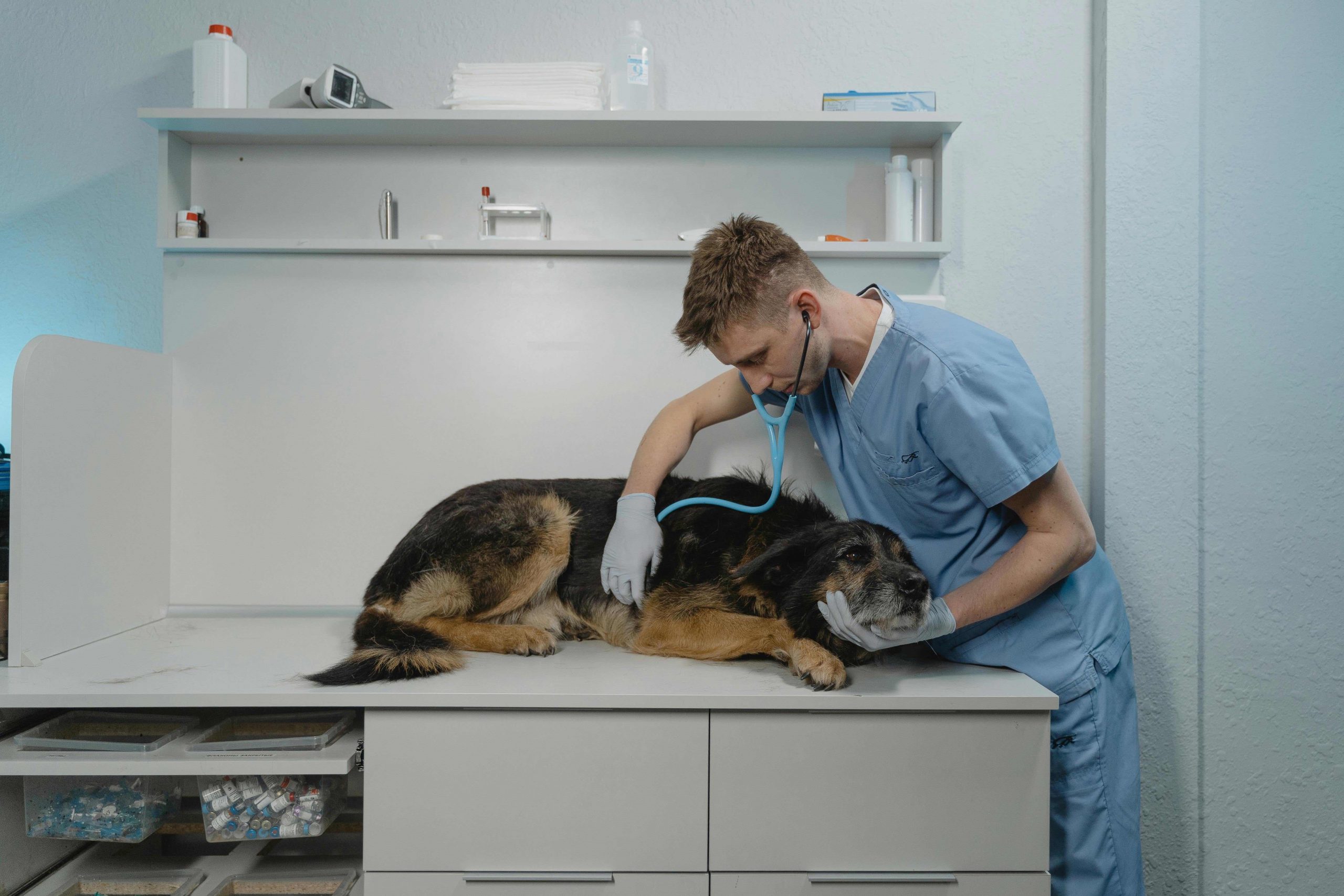
4. Festive stress: A big, overlooked cause of illness
Visitors, loud gatherings, kids at home, travel, boarding, fireworks, and unfamiliar routines can all trigger anxiety in dogs and cats.
In dogs, stress often manifests as diarrhoea or colitis. Cats may hide, refuse to eat, over-groom, or develop digestive upset. Stress can also contribute to behavioural issues like inappropriate urination.
Brink adds, “If your pet is prone to anxiety, prepare early. Therapeutic diets formulated for digestive sensitivity and stress can help stabilise the gut and improve resilience during busy or unfamiliar periods.”
Hill’s Prescription Diet i/d Stress for dogs and c/d Multicare Stress for cats* are available in both wet and dry varieties, making it easier to encourage eating even in stressed or anxious pets.
5. Puppies, kittens, and cables: A dangerous combination
With extra lights, extension cords, and holiday setups, vets see an increase in electrical injuries during December, particularly in teething puppies and playful kittens.
Chewing through cords can cause painful burns inside the mouth, making eating and drinking difficult. Small toys, batteries, and festive ornaments also pose choking or ingestion risks.
Make your space pet-safe by:
- Taping down cables
- Unplugging lights when unsupervised
- Giving puppies safe chew toys
- Keeping tiny objects and batteries well out of reach
Dr Brink’s three essential rules to keeping your pets safe this festive season
- No human food, ever. This single rule eliminates most holiday emergencies for dogs and cats.
- Strengthen the gut before stressful events. If you expect travel, guests, or boarding, start supporting your pet’s digestive health early with food that contains ingredients to help manage stress.
- Secure the environment. Protect decorations, manage cables, close bins, and keep food firmly out of reach.
“Pets are part of our family,” says Dr Brink. “With a few simple precautions, the festive season can be safe, calm, and joyful for both dogs and cats.”
* If you’re anticipating a stressful event, such as fireworks or even holiday kennels, it’s recommended you transition your pet onto a stress-reducing food two to four weeks beforehand. However, many pet parents have reported positive results as early as a few days. If your pet is a nervous type, you can consider this food for long-term feeding.
Visit the Hill’s website for more information.
First published by Food & Home
Also see: Safe cleaning: Avoid these detergents if you have pets