A moment of musical boundary-setting
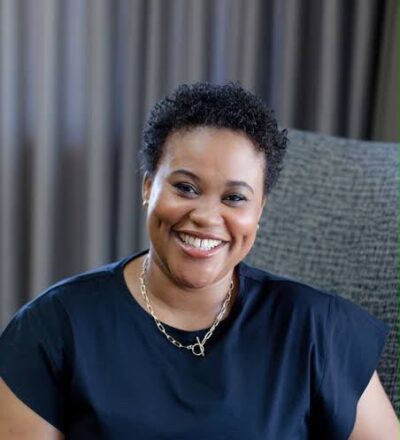
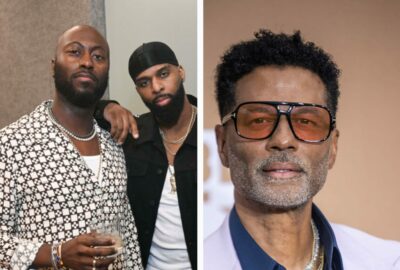
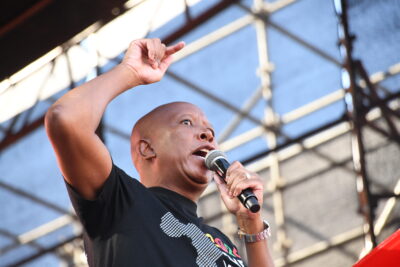
When talk turned to music requests on his morning show at Johannesburg’s Kaya FM, seasoned broadcaster Sizwe Dhlomo quietly but firmly declined to add tracks by the duo Shebeshxt and by R. Kelly to his airwaves. The decision rippled quickly through social media, prompting both support and questions from listeners.
Why he took a stand
Dhlomo’s refusal to play the requests wasn’t framed as a stunt but rather as a statement. In a live broadcast context where every track is a choice, he asserted that he would not play certain artists. The gesture also adds to his reputation for curating more than just popular music—it suggests a sense of gatekeeping rooted in ethics or editorial standards.
Public reaction went two ways
On Twitter and Instagram, listeners responded fast. Some applauded Dhlomo for exercising discernment in what he plays and rejecting music that may not align with his values or the station’s tone. Others baulked, racing to point out perceived inconsistency—some listeners referenced other artists he does play and asked where the boundary line really stands.
@SizweDhlomo would you play shebeshit's music during your show?
— The Hunter (@ThaboMahlakoane) November 12, 2025
Beyond a single show: the broader implications
What this highlights is a larger conversation within South African media about what music gets airtime and why. Radio remains influential in shaping national music culture, but when personalities like Dhlomo pick and choose, it exposes the unseen decisions behind the playlists. From Joburg clubs to township sound systems, what you hear is curated—and sometimes contested.
https://twitter.com/SizweDhlomo/status/1988478282937798954?ref_src=twsrc%5Etfw%7Ctwcamp%5Etweetembed%7Ctwterm%5E1988478282937798954%7Ctwgr%5Ea4aca0e659a56748fc6ae3ea136f3c6c0fa180cb%7Ctwcon%5Es1_&ref_url=https%3A%2F%2Fbriefly.co.za%2Fentertainment%2Fcelebrities%2F228663-sizwe-dhlomo-shuts-requests-play-shebeshxt-r-kelly-kaya-fm%2F
But play Pitch Black and brickz mos pic.twitter.com/Vkgg8TtVF5
— ChrisExcel (@ChrisExcel102) November 12, 2025
A fresh angle: radio as cultural referee
Rather than only being an entertainer, Dhlomo in this moment appears as a cultural referee. The refusal to play certain tracks is less about shunning specific songs and more about signalling that some content matters beyond beats and hooks. It invites listeners to consider what music represents, what standards exist, and how media curators shape our sonic landscape in South Africa.
Meanwhile he’s the most booked artist this festive season pic.twitter.com/YvpXkEG8qA
— x-man lesh (@leshego94326) November 12, 2025
What happens next
Listeners will be watching: Will Dhlomo keep applying no-play rules? Will other stations follow suit? And will the artists involved respond or adjust their approach to fit evolving airplay criteria? For now, on one of the country’s major radio platforms, one man said no—and the music world noticed.
Source: Briefly News
Featured Image: KAYA 959