
It’s just a mole…Or is it? Here’s what every woman should know.
Melanoma is the seventh most common cancer among South African women, and according to CANSA, the lifetime risk is 1 in 279. While it may be less common than other types of skin cancer, it is also the most dangerous. The good news? When caught early, it’s highly treatable.
Early detection can make all the difference. Melanoma’s severity is closely linked to how deeply it grows into the skin, which is why knowing what to look for and acting quickly is essential, especially for women.
Although melanoma can affect anyone, people with fair skin, freckles, light eyes, or blond or red hair are at higher risk. A family history of melanoma can also increase your chances. Still, it’s important for every woman to know her skin and note any changes over time.
What is melanoma?
Melanin gives our skin its tone and colour. Melanoma occurs when those melanin-producing cells (melanocytes) become cancerous. Unlike some other skin cancers, melanoma is aggressive and can spread fast. It often shows up on sun-exposed areas like the arms, legs, back and face, though it can appear anywhere.
Key warning signs to watch for
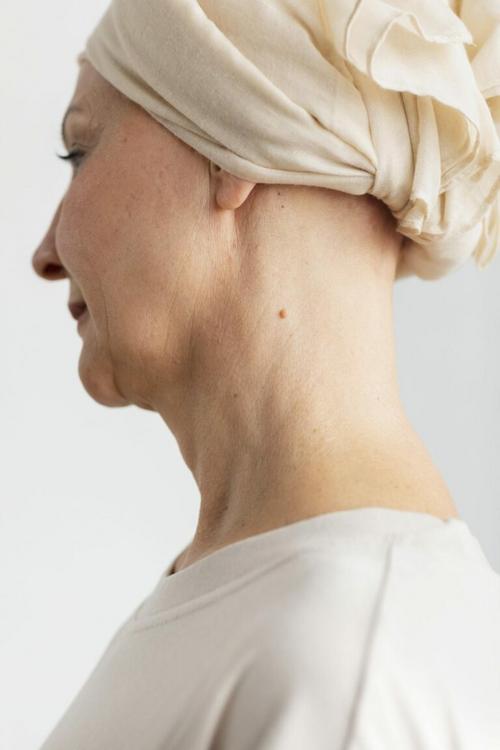
The ABCDE rule is a helpful guide:
- A – Asymmetry
- B – Border irregularity
- C – Colour changes
- D – Diameter bigger than 6mm
- E – Evolving shape, size or colour
Additional signs to note
Make sure to note any new spots after the age of 30. Also pay attention to itching, bleeding or crusty moles, and definitely look out for sores that don’t heal.
Why women should pay special attention
Woman are more likely to have melanoma on their legs, which is why self-checks are important. Women who are more at risk are those who tan regularly, have a family history, early childhood sunburns, and have a weakened immune system.
Smart prevention tips
A glowing tan might look great, but it’s not worth the risk. The best defence? Limit UV exposure, skip tanning beds and wear sunscreen daily, even in winter. You don’t need to live in fear, but stay informed and proactive. Do regular skin checks, see a dermatologist for yearly exams, and take care of your skin like you would any other part of your health
Compiled by: Woman and Home Team
First published by Woman and Home
Also see: Exhaustion in disguise: When poor sleep mimics ADHD symptoms in teens