Sign Up to Our Newsletter
Subscribe
Primary Menu Search
  • Entertainment
    • Celebrity News
  • Fashion and Beauty
    • Hair
    • Beauty
    • Fashion
    • Weddings
  • Lifestyle
    • Love & Relationships
    • Parenting
    • Motoring
    • Food
    • Travel
      • Travel News
      • Property
  • Health & Wellness
    • Diet
    • Fitness
    • Health
  • Work & Money
    • Finance
    • Career
  • Sports
    • Soccer Mag
    • Sa Rugby Mag
    • Sa Cricket Mag
    • Compleat Golfer
    • American Sports
    • Multi Sport
  • Deals
    • Deals in Cape Town
    • Deals in Johannesburg
    • Deals in Durban
    • Deals in Pretoria
    • Deals in Port Elizabeth
    • Experiences
  • Pork Recipes
  • Africapicks

Mounjaro vs Ozempic: Which injection suits your diabetes needs?

by Qaqamba Falithenjwa
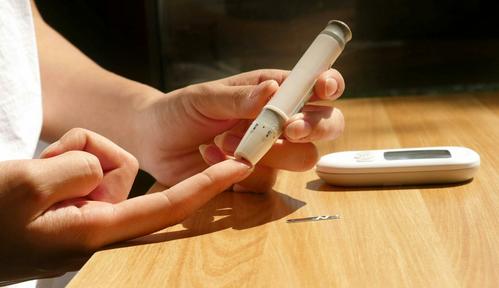
illustration: picture: pexels

Weekly jabs might not sound glamorous, but Mounjaro and Ozempic are making headlines for more than just managing blood sugar. These injectable medications, originally developed for type 2 diabetes, have become unlikely heroes in the weight-loss world, and the buzz doesn’t seem to be dying down.

So, what’s the difference between the two? Let’s break it down without the pharma jargon.

Ozempic (semaglutide), developed by Novo Nordisk, mimics a hormone called GLP-1 to help regulate blood sugar and slow digestion, which can also reduce appetite, according to WebMD. The publication mentioned that patients using Ozempic for diabetes often report significant weight loss as a welcome side effect. It’s already become a pop culture phenomenon, with everyone from TikTokers to talk show hosts weighing in.

Mounjaro (tirzepatide), by Eli Lilly, takes things a step further; it mimics two hormones — GLP-1 and GIP — and is being praised for its dual-action approach as reported by Medical News Today. Clinical trials showed people using Mounjaro experienced more weight loss on average than those using Ozempic, claims the above health source. The FDA approved it for type 2 diabetes, and there’s already talk of fast-tracking it for obesity treatment.

While both options have exciting benefits, they’re not one-size-fits-all. Healthline states that side effects like nausea or fatigue can show up, and availability (not to mention cost) may sway your decision. The publication also notes that Mounjaro may not yet be covered by all insurance plans, especially for off-label weight loss use.

If you’re juggling diabetes management with weight goals, speak to your doctor about which injection suits your lifestyle. Whether you go with the big O or ride the Mounjaro wave, these once-a-week pens could make long-term health a little more manageable — and maybe even a little more exciting.

Also see: Hospice Week : Understanding palliative care and its importance

More from Health & Wellness

Silent threats: Health risks lurking around your vital organs 

6 Workouts to try when you work from home

Simple ways to make your walks more mindful

7 Signs your relationship with food could use a reset

    Primary Menu

    • Entertainment
      • Celebrity News
    • Fashion and Beauty
      • Hair
      • Beauty
      • Fashion
      • Weddings
    • Lifestyle
      • Love & Relationships
      • Parenting
      • Motoring
      • Food
      • Travel
        • Travel News
        • Property
    • Health & Wellness
      • Diet
      • Fitness
      • Health
    • Work & Money
      • Finance
      • Career
    • Sports
      • Soccer Mag
      • Sa Rugby Mag
      • Sa Cricket Mag
      • Compleat Golfer
      • American Sports
      • Multi Sport
    • Deals
      • Deals in Cape Town
      • Deals in Johannesburg
      • Deals in Durban
      • Deals in Pretoria
      • Deals in Port Elizabeth
      • Experiences
    • Pork Recipes
    • Africapicks

    • Contact Us
    • Terms and Conditions
    • Privacy Policy
    • Cookies Policy
    CAPE TOWN OFFICE: 15th Floor, The Box, 9 Lower Berg Street, Cape Town 8001, Western Cape > Telephone: (021) 416 0141
    © Copyright 2026 Bona Magazine
    ×

    SEARCH

    ×