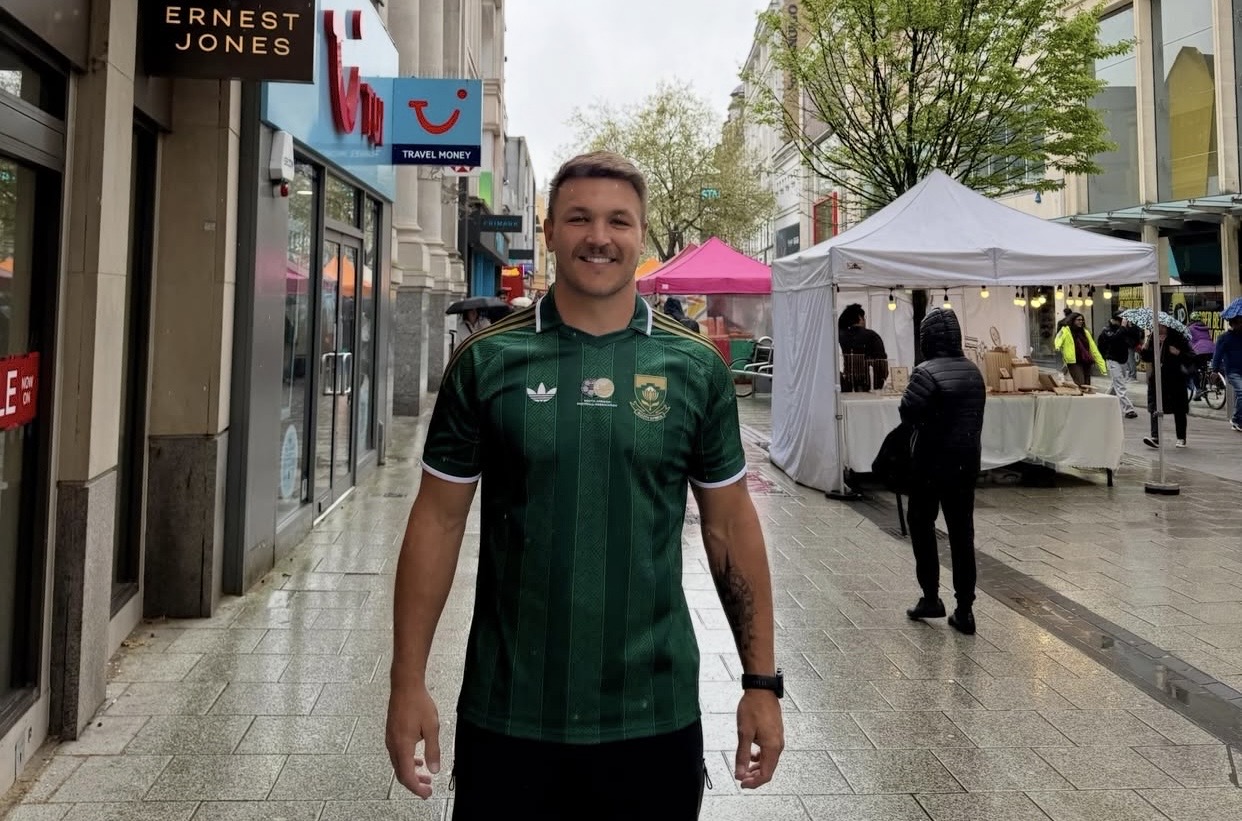
Springbok head coach Rassie Erasmus has named 31-year-old midfielder André Esterhuizen as captain for South Africa’s upcoming Test against Australia at Optus Stadium in Perth.
Also see: RASSIE ERASMUS PAYS TRIBUTE TO SOUTH AFRICANS AFTER SPRINGBOKS’ WIN
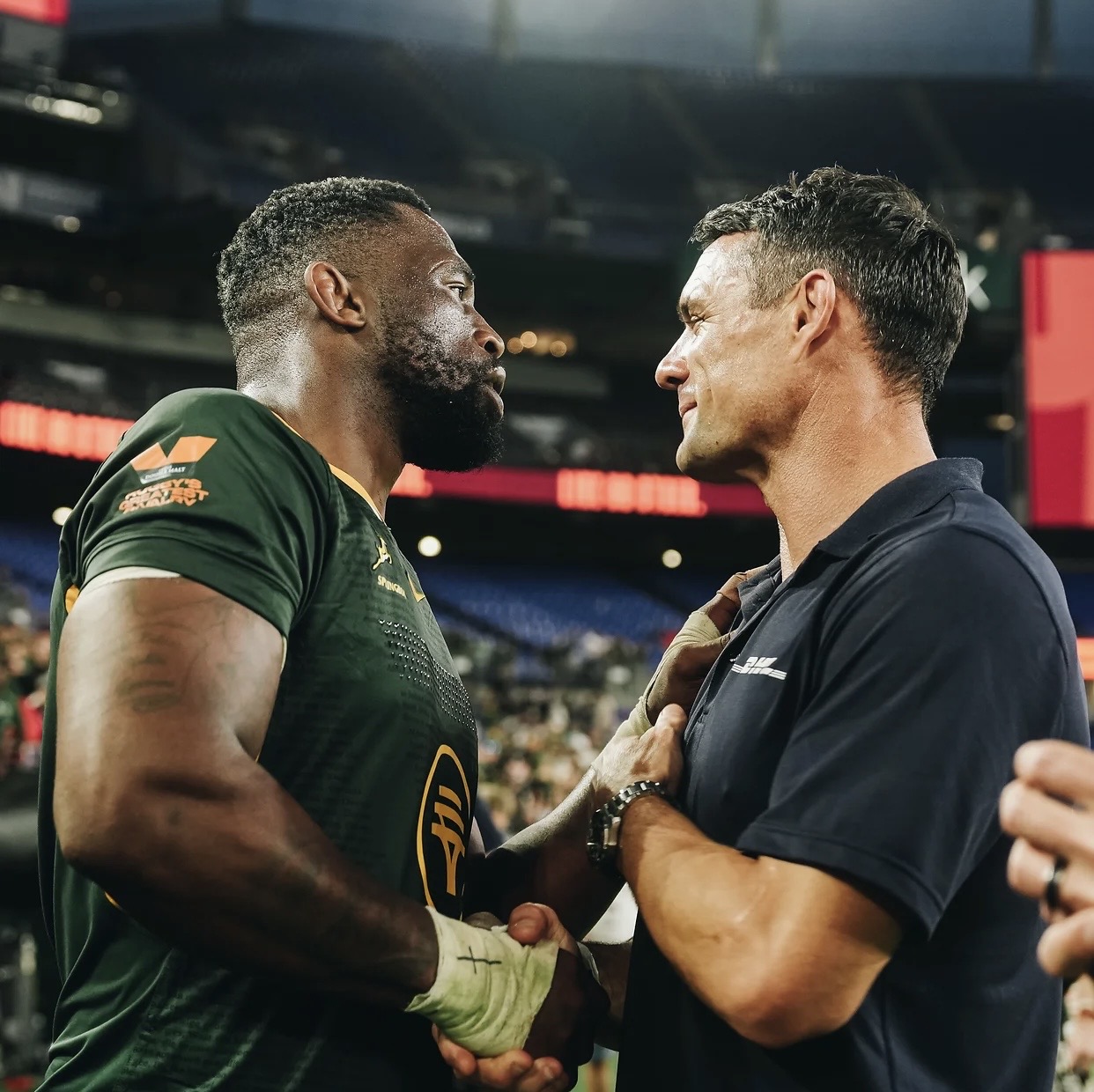
Esterhuizen becomes the 68th player to captain the Springboks, leading a heavily overhauled starting lineup that features 13 changes from the side that defeated the All Blacks in Baltimore.
Sweeping squad changes and strategic depth
The decision to hand the armband to the Sharks star underscores Erasmus’ ongoing commitment to building a broad leadership core across the squad. Esterhuizen, who will earn his 36th Test cap, has previously led the Hollywoodbets Sharks and featured as a hybrid option across both centre and loose-forward roles.
Only lock Eben Etzebeth, extending his record as the most-capped Springbok with 147 Tests, and young winger Ethan Hooker retain their starting positions from the previous match.
The revamped starting XV sees the return of experienced flyhalf Handré Pollard following an injury layoff, partnering scrumhalf Herschel Jantjies, who earns his first Test start since late 2021.
Milestones and bench strategy
The bench selection carries significant milestones, with loose forward Jasper Wiese set to earn his 50th Test cap when called upon. Erasmus has opted for a traditional 5-3 bench split, utilising an elite front-row backup trio of Malcolm Marx, Ox Nché, and Wilco Louw to maintain second-half physical dominance.
Also see: SPRINGBOKS CONTINUE WINNING STREAK WITH TWH LEGENDS CUP WIN
“He captained the Hollywoodbets Sharks, and he has brought so much to our squad off and on the field, both at centre and in the loose trio, and he thoroughly deserves this opportunity. It will also help build our leadership core even more within the team,” said Erasmus.
Rugby and national identity during heritage celebrations
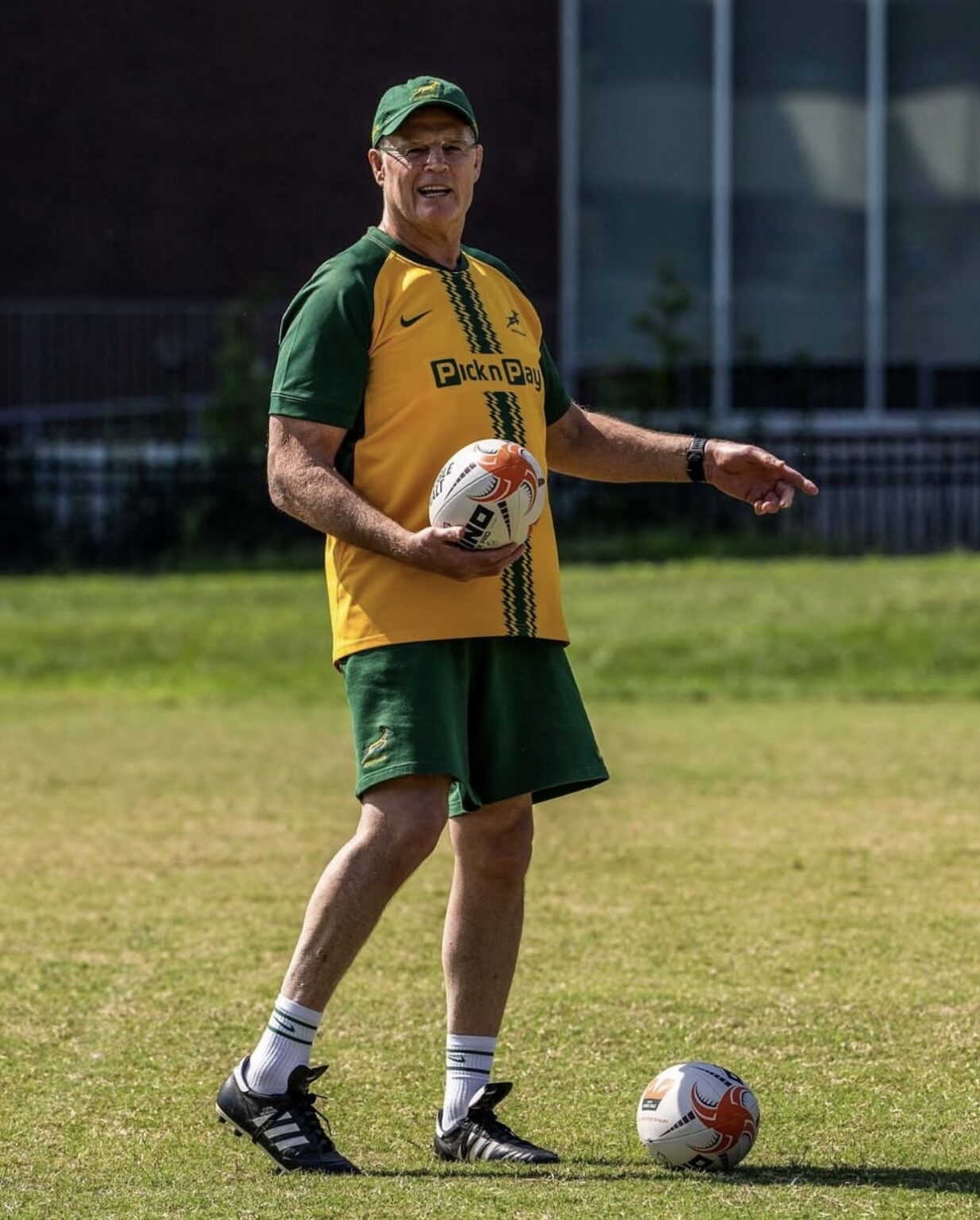
The timing of the Test match follows closely on the heels of Heritage Day, sparking widespread discussions across public social channels regarding sport’s evolving position within South African cultural identity.
Images of young fans donning green-and-gold jerseys across the country underscored rugby’s powerful role as a unifying national symbol.
However, online debates also highlighted contrasting perspectives on how modern sporting institutions intersect with traditional heritage, reflecting the ongoing, dynamic conversation surrounding national unity, shared history, and cultural representation in Mzansi.
Also see: CHESLIN KOLBE SUFFERS BROKEN JAW AS SPRINGBOKS BEAT ALL BLACKS
Be the first to know – Join our WhatsApp channel for content worth tapping into. Click here to join!