Nervous system regulation has become a buzz phrase in wellness spaces. It appears in podcasts, therapy rooms, and social media captions promising calm, clarity, and emotional resilience. But beyond the trend, understanding how to actually regulate your nervous system is one of the most practical ways to manage stress, anxiety, and the overwhelm that so many of us experience in modern life.
Also see: Soothe anxiety with the benefits of box breathing
If you’ve ever felt constantly “on edge”, struggled to switch off after work, or found it difficult to relax even on holiday, your nervous system may simply be stuck in overdrive. The good news is that calming it doesn’t require complicated routines or expensive wellness practices. In fact, the most effective techniques are often the simplest.
Understanding your nervous system
Your nervous system is essentially the communication network between your brain and body. It constantly scans your environment for signals of safety or danger. When it perceives stress, it activates the sympathetic nervous system, which triggers the familiar fight-or-flight response. Your heart rate increases, muscles tense, and stress hormones like cortisol rise.
This is where nervous system regulation comes in: learning how to gently guide your body back into a state of safety and calm.
Why “just relax” doesn’t work
One of the biggest misconceptions about stress is that calmness is simply a mindset. In reality, calm is physiological.
If your body is flooded with stress hormones and your nervous system believes it is under threat, you cannot simply think your way into relaxation. The body needs signals of safety first. Once the body begins to settle, the mind follows.
This is why nervous system regulation focuses on the body rather than only the mind.
Start with your breath
Breathing is one of the fastest ways to influence your nervous system because it directly communicates with the brain.
When we are stressed, our breathing becomes shallow and rapid. Slowing the breath sends a signal that the body is safe.
A simple technique to start with is extended exhale breathing. Inhale slowly through your nose for four seconds, then exhale for six or seven seconds. The longer exhale activates the parasympathetic nervous system, helping your body shift into a calmer state.
Just two to five minutes of this practice can noticeably reduce feelings of tension.
Gentle movement helps the body release stress
Stress doesn’t only exist in the mind — it accumulates in the body. Muscles tighten, posture changes, and energy becomes trapped in the system.
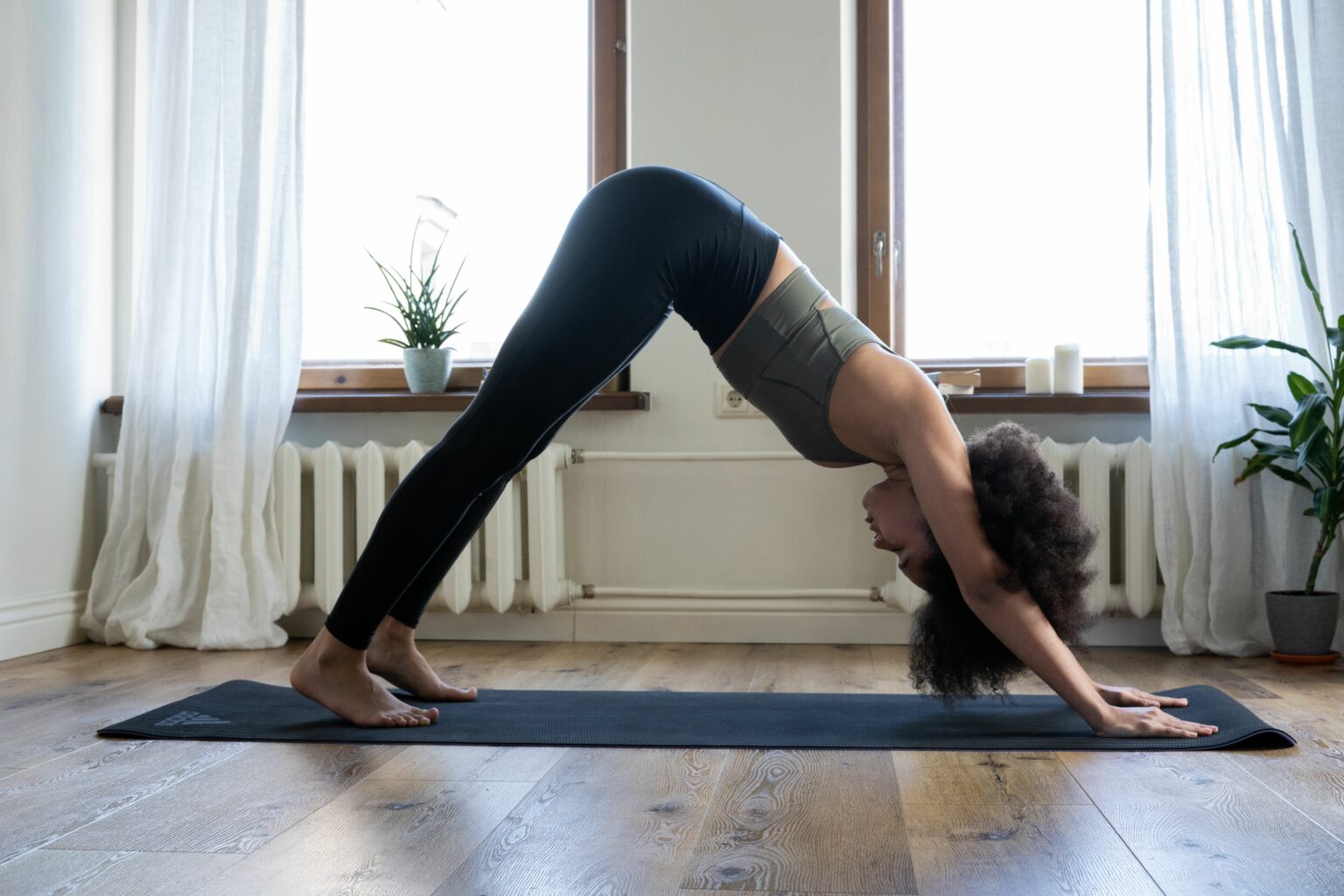
Gentle forms of movement can help release this built-up tension. Walking, stretching, yoga, or even shaking out your arms and legs can help discharge stress signals.
Walking is particularly effective because it combines movement with rhythmic breathing and sensory input. Even a 10-minute walk outdoors can help regulate mood and reduce cortisol levels.
Also see: Not all stress is bad – and here’s how to tell the difference
Regulate through your senses
Your nervous system is constantly responding to sensory information. This means that what you see, hear, smell, and touch can influence whether your body feels safe or stressed.
Soft lighting, calming music, warm showers, scented candles, and comfortable clothing all create subtle cues of safety for the brain.
Even something as simple as holding a warm cup of tea or wrapping yourself in a blanket can help activate the body’s relaxation response.
The power of co-regulation
Humans are wired for connection. Our nervous systems naturally regulate through interaction with others.
A supportive conversation with a friend, a hug from someone you trust, or simply sitting near a calm person can help your body settle. This process, known as co-regulation, is one of the reasons social connection is so vital for emotional wellbeing.
If you often try to manage stress entirely alone, allowing yourself to lean on safe relationships can make a significant difference.
Consistency matters more than intensity
Nervous system regulation is not something you master overnight. It’s a practice of teaching your body, repeatedly, that it is safe.
Small daily habits — stepping outside for fresh air, taking a few slow breaths before opening your laptop, stretching after work, or limiting late-night scrolling — can gradually retrain the nervous system.
Over time, these micro-moments of calm build resilience, making it easier for the body to recover from stress.
Learning to feel calm again
For many people, especially those who have lived with chronic stress for years, calmness can initially feel unfamiliar or even uncomfortable. When the nervous system is used to operating at high alert, slowing down can feel strange at first.
But calm is something the body remembers. With patience and repetition, the nervous system begins to recognise safety again.
And when that happens, everything changes. Sleep improves. Focus returns. Emotions feel easier to navigate. The constant background noise of stress begins to quiet.
Nervous system regulation isn’t about eliminating stress entirely. It’s about building the ability to return to calm more easily — and remembering that your body already knows how.
Compiled by Amy Steenkamp
First published on Woman and Home
Also see: Social anxiety: Everyday signs and how to cope
Also see: Be the first to know – Join our WhatsApp channel for content worth tapping into. Click here to join!