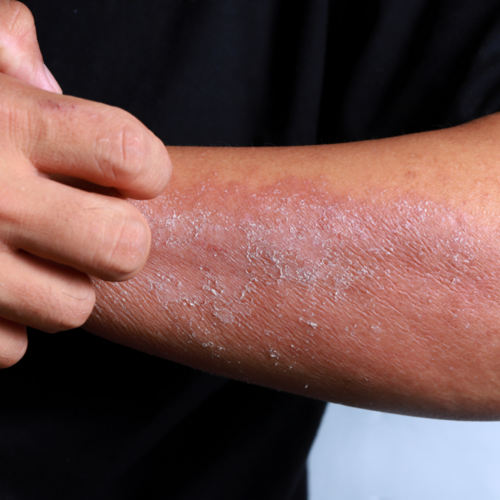
With winter already upon us in South Africa, those prone to dry skin challenges may be stocking up on oil-based topical treatments and ‘richer’ moisturisers in preparation for the dry, cold weather.
For some, a few adjustments to regular skincare routines, running the humidifier in the house, and increasing water intake throughout winter will be enough to see some clear improvements. Others, however, will need help to achieve the same by simply using these conventional methods.
“Actinic keratosis is a very common pre-cancerous skin condition, especially among those with paler skin tones who are around the age of 50 and above. The problem is that people aren’t aware enough of AK and how best to treat it, which means a significant portion of the population are leaving their skin health to chance and risk developing skin cancer later on,” says Dr Bradley Wagemaker, Medical Director at Lamelle Pharmaceuticals.
Left untreated, some AK lesions can develop into what is known as squamous cell skin cancers. According to Harvard Health, this is the case for almost 40% of white patients older than 50, making it the most common precancerous skin condition in this age group.
How to tell the difference
While the prominence and nature of this condition can feel daunting, the good news is that differentiating between dry skin and AK is easy and can be done in the comfort of your own home.
Dry skin responds to everyday treatment methods. Over-the-counter creams containing ceramides to hydrate and protect the skin moisture barrier and Vitamin B3, among other simple home treatments, should help keep dry skin at bay.
“When simple methods like increasing the amount of moisturiser you’re using or even using bath oils and shower creams don’t help, and you notice dry skin patches and lesions (on typical sun-exposed areas) persisting despite ongoing use of OTC treatments, AK is a possible cause,” says Wagemaker.
Where dry skin might simply feel ‘tight’ or itchy after cleansing or appear ashen and darkened, AK appears as dry, scaly patches on parts of the skin that are typically exposed to the sun’s UV rays—the face, neck, hands, arms, and even the ankle area.
Treating AK
Treatment options like cryotherapy (using extremely cold temperatures) and even liquid nitrogen are known in-office methods typically employed by dermatologists in treating AK. However, these methods are not always aesthetically acceptable to some individuals. As such, an alternative method called ‘field-directed therapy’ – a treatment method used to treat an entire skin area – would be more effective.
In addition to using a good-quality sunscreen with at least SPF30, choose topical creams and ointments that contain nicotinamide, a powerful ingredient with a multitude of benefits, including anti-inflammatory properties, preventing acne, improving the strength of the skin’s barrier function, and reducing the appearance of skin lesions.
“Taken orally, nicotinamide is associated with a lower incidence of AK. Its benefits when used topically have also been well-established,” adds Wagemaker. “Nicotinamide, as well as photolyase, a DNA-repair enzyme with the ability to seek out and correct DNA damage, are the main ingredients in the Nia-Sol supplement and skincare range.”
The addition of a humectant called panthenol in topical cream formulations is also useful in strengthening the skin’s barrier and ability to lock moisture beneath it, reducing inflammation and assisting in the skin’s more rapid healing.
Taking care of skin health and well-being can be arduous during winter when it feels like even the air is out to sabotage your skin. Understanding the difference between mere dry skin that’s easy enough to treat with simple home and OTC remedies and the more challenging AK condition is the best place to start, helping you find the best treatment for you and your loved one’s skin.