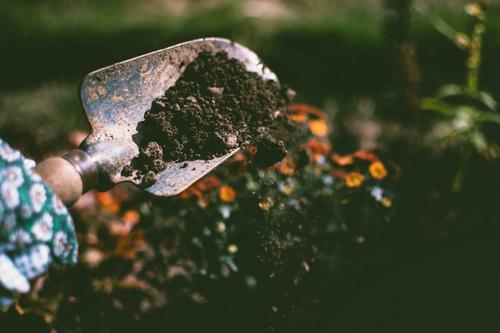
The idea of turning kitchen scraps or common household items into plant food is tempting — it’s affordable, sustainable, and sounds wonderfully simple. But not all DIY fertilisers deliver the results they promise. Some may take far too long to break down, while others risk doing more harm than good.
Here are some common methods that don’t quite live up to the hype.
Coffee grounds as a quick fertiliser
Used coffee grounds do contain nitrogen, but it’s locked up in organic matter that takes time to decompose. Sprinkling them straight onto the soil won’t provide plants with an instant boost. Fresh grounds can also lower soil pH, which may only suit acid-loving plants.
Better approach: add them to your compost heap where they’ll contribute to a balanced mix and break down more effectively.
Epsom salt for plant growth
Epsom salt is often touted as a miracle fertiliser because it contains magnesium and sulphur. But unless your soil is actually deficient in these, adding more won’t help. In fact, it can interfere with calcium and potassium uptake and increase soil salinity, stressing plant roots.
Better approach: test your soil before applying — and only use it where there’s a proven deficiency.
Banana peels for an instant potassium boost
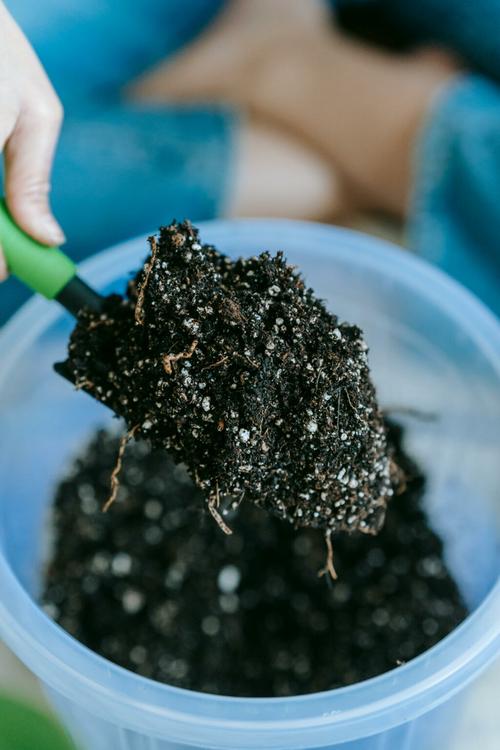
Banana peels are full of potassium and other minerals, but plants can’t access those nutrients until the peel decomposes. That process can take weeks or even months, so burying fresh peels next to a plant won’t work as a quick fertiliser.
Better approach: dry and grind the peels into a fine powder, or add them to your compost to release nutrients gradually.
Eggshells for fast calcium
Eggshells are mostly calcium carbonate, but in a crystalline form that breaks down very slowly. Whole or crushed shells scattered around plants won’t provide immediate calcium. It can take months, even years, for them to decompose enough to matter.
Better approach: grind shells into a fine powder before adding to soil or compost, so calcium becomes available sooner.
Raw manure as superior fertiliser
Fresh manure is rich in nutrients, but it also contains high levels of salts and ammonia that can burn roots. Worse, it may carry harmful pathogens that contaminate edible crops.
Better approach: always compost manure before use. Hot composting stabilises nutrients, kills off pathogens, and makes it a safe, slow-release fertiliser.
The takeaway
DIY fertilisers can be useful — but only when prepared and used correctly. Many popular “hacks” sound good in theory but aren’t effective in practice. For healthier plants, focus on composting, balanced soil care, and proven methods that release nutrients in a safe, sustainable way.
Written by Jade McGee
First published by Garden & Home
Also see:How to prep your yard for gardening