
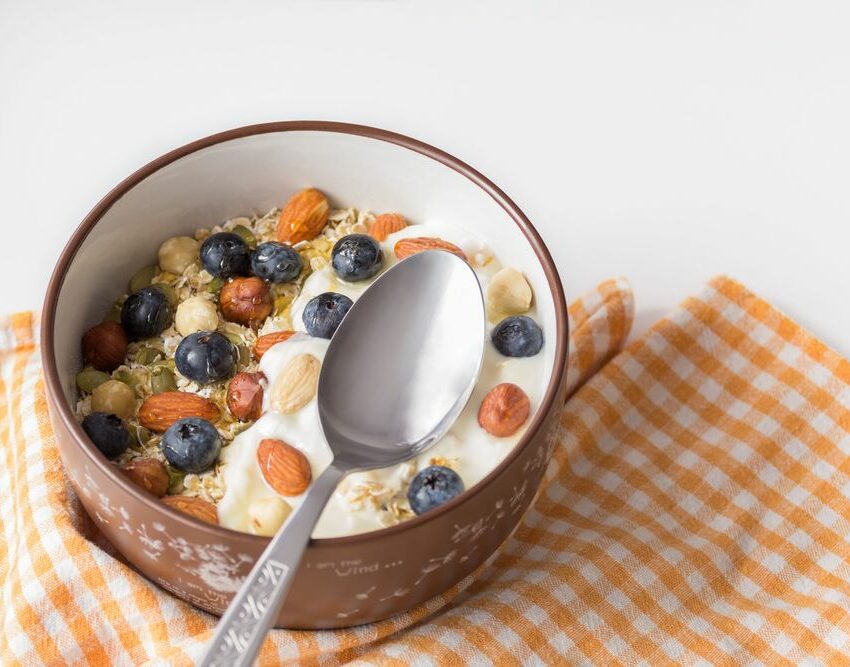
Eating healthy doesn’t have to mean spending a fortune on imported powders or trendy ingredients. Many nutrient-rich foods that qualify as ‘superfoods’ are readily available in South African supermarkets and local markets at affordable prices.
Also see: 10 superfoods you should be eating
While there’s no official scientific definition of a superfood, the term generally refers to foods packed with vitamins, minerals, antioxidants and other nutrients that support overall health. According to the Heart and Stroke Foundation South Africa, a balanced diet rich in whole foods is one of the best ways to reduce the risk of chronic diseases.
Here are some affordable superfoods worth adding to your shopping list.
1. Spinach
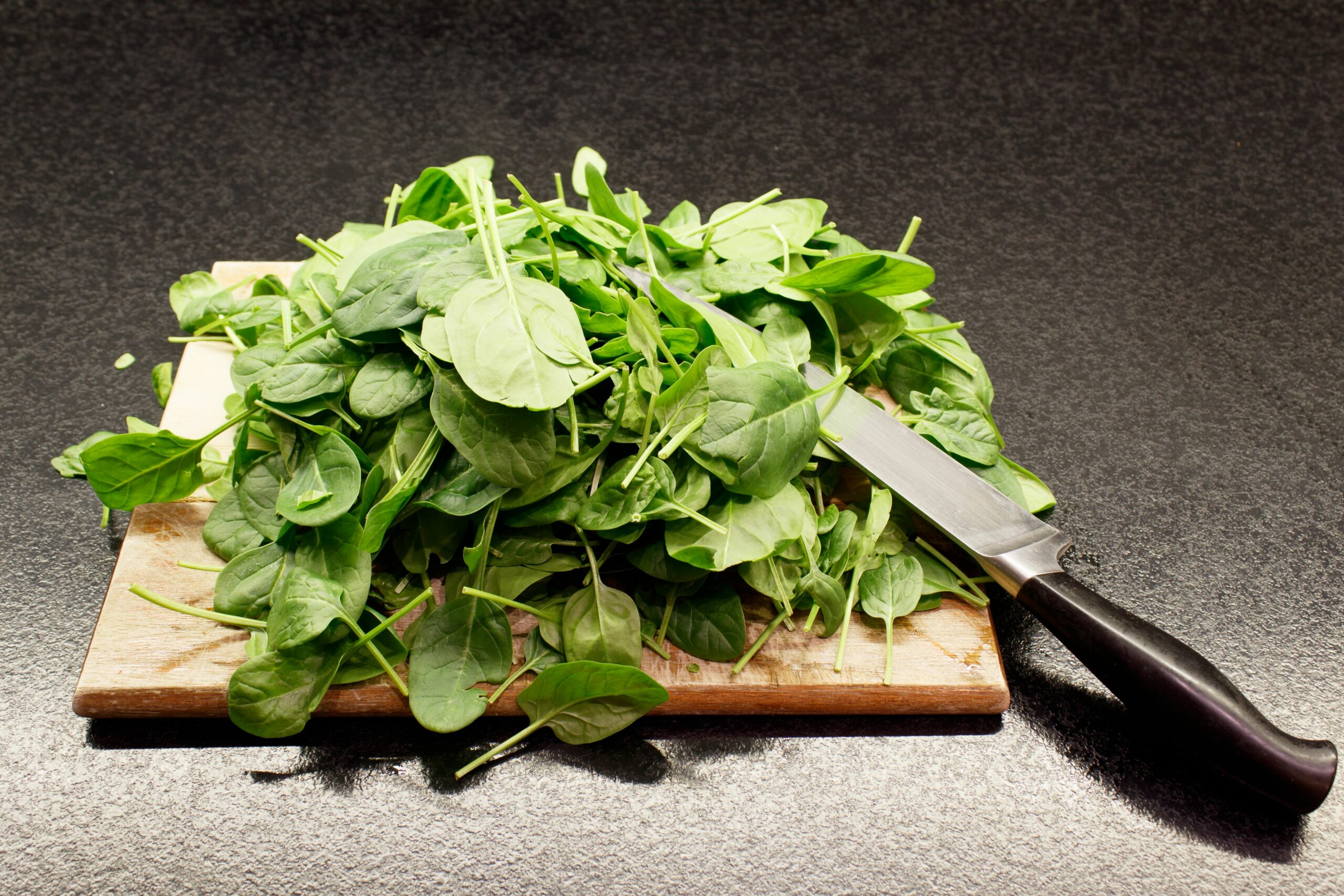
Spinach is one of the most affordable leafy greens available in South Africa. It’s rich in vitamins A, C and K, folate, iron and fibre, making it an excellent addition to soups, stews, smoothies and salads.
According to the South African Medical Research Council (SAMRC), eating more vegetables contributes to a healthy, balanced diet and supports overall wellbeing.
2. Sweet potatoes
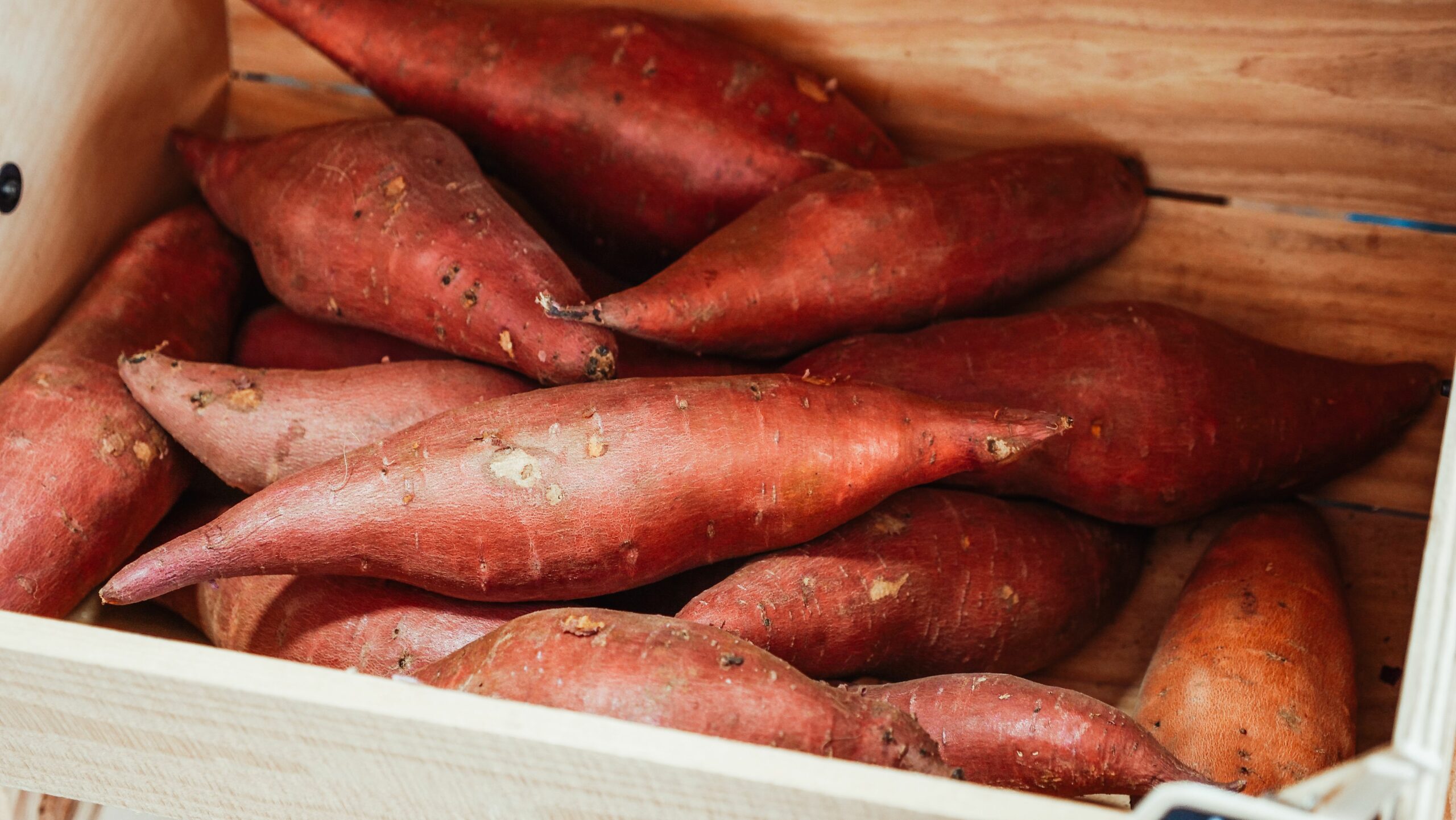
Sweet potatoes are packed with fibre, vitamin A and potassium. They’re filling, versatile and often cheaper than many processed convenience foods.
Bake, roast or mash them for a nutritious side dish, or add them to hearty soups during winter.
3. Oats
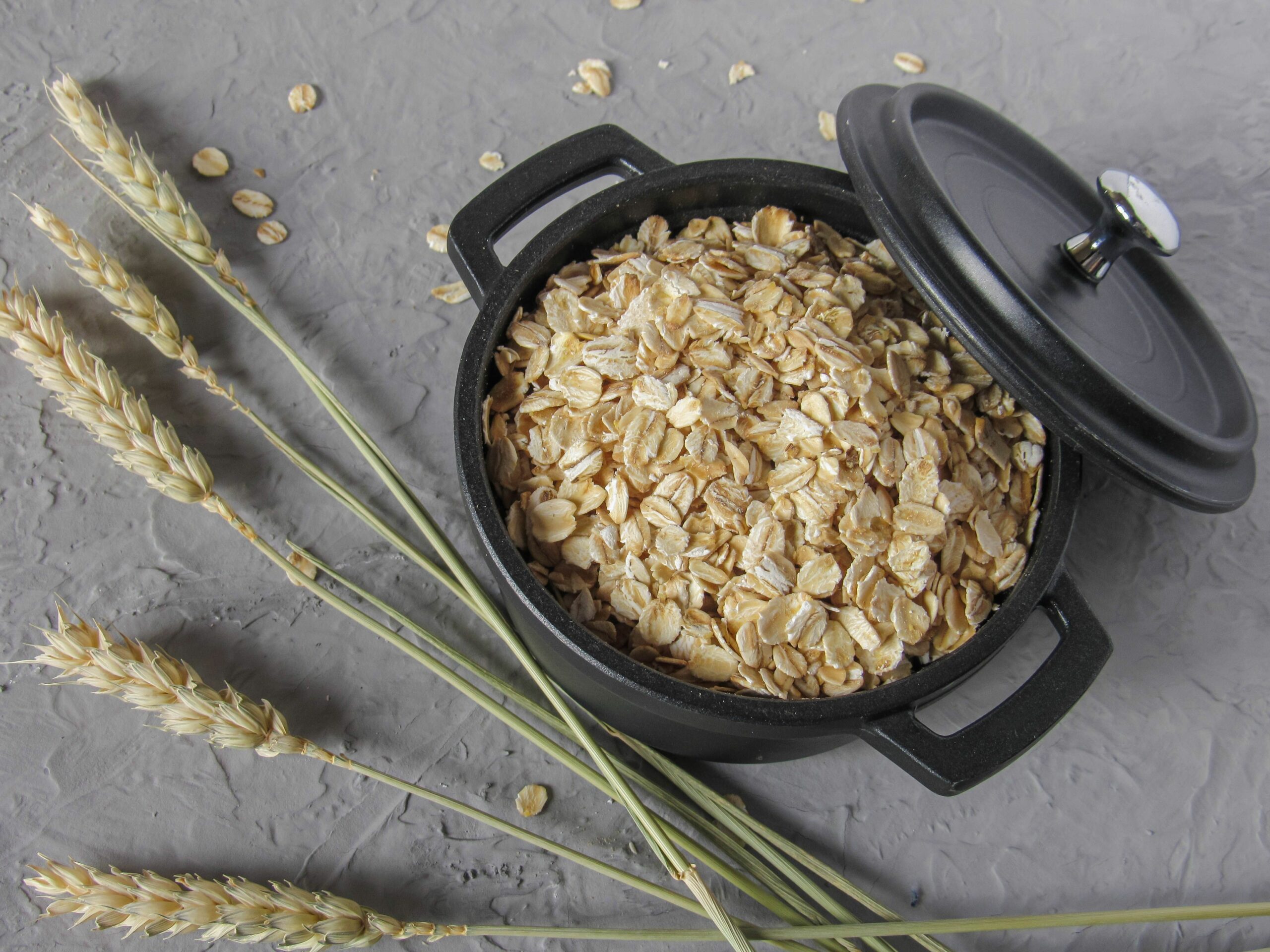
Oats are a budget-friendly pantry staple that’s high in soluble fibre, which can help support heart health and keep you feeling fuller for longer.
The Heart and Stroke Foundation South Africa recommends choosing whole grains such as oats as part of a heart-healthy eating pattern.
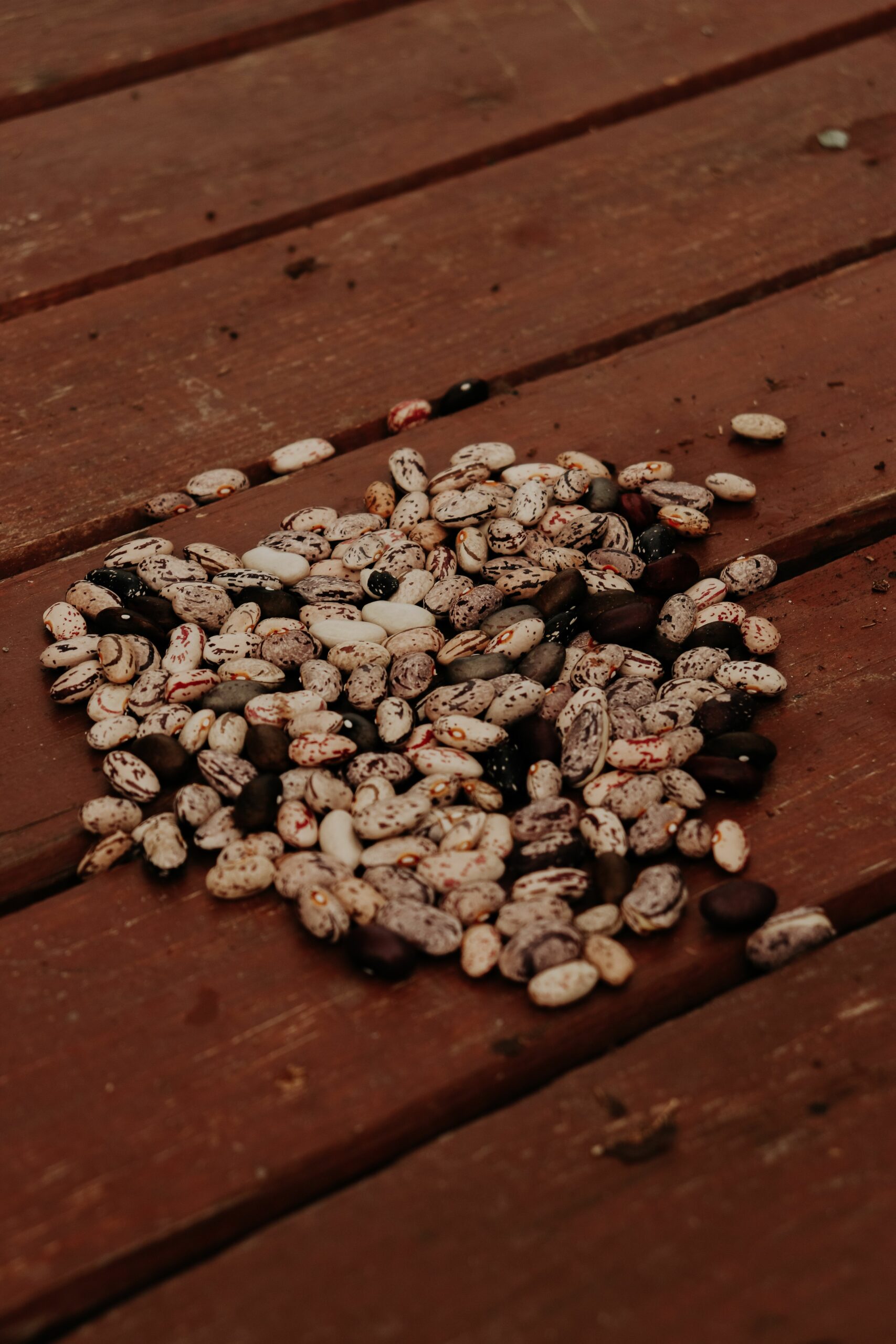
4. Beans and lentils
Whether dried or canned, beans and lentils are among the most affordable sources of plant protein available.
They’re also rich in fibre, iron and B vitamins, making them an excellent addition to soups, curries, stews and salads.
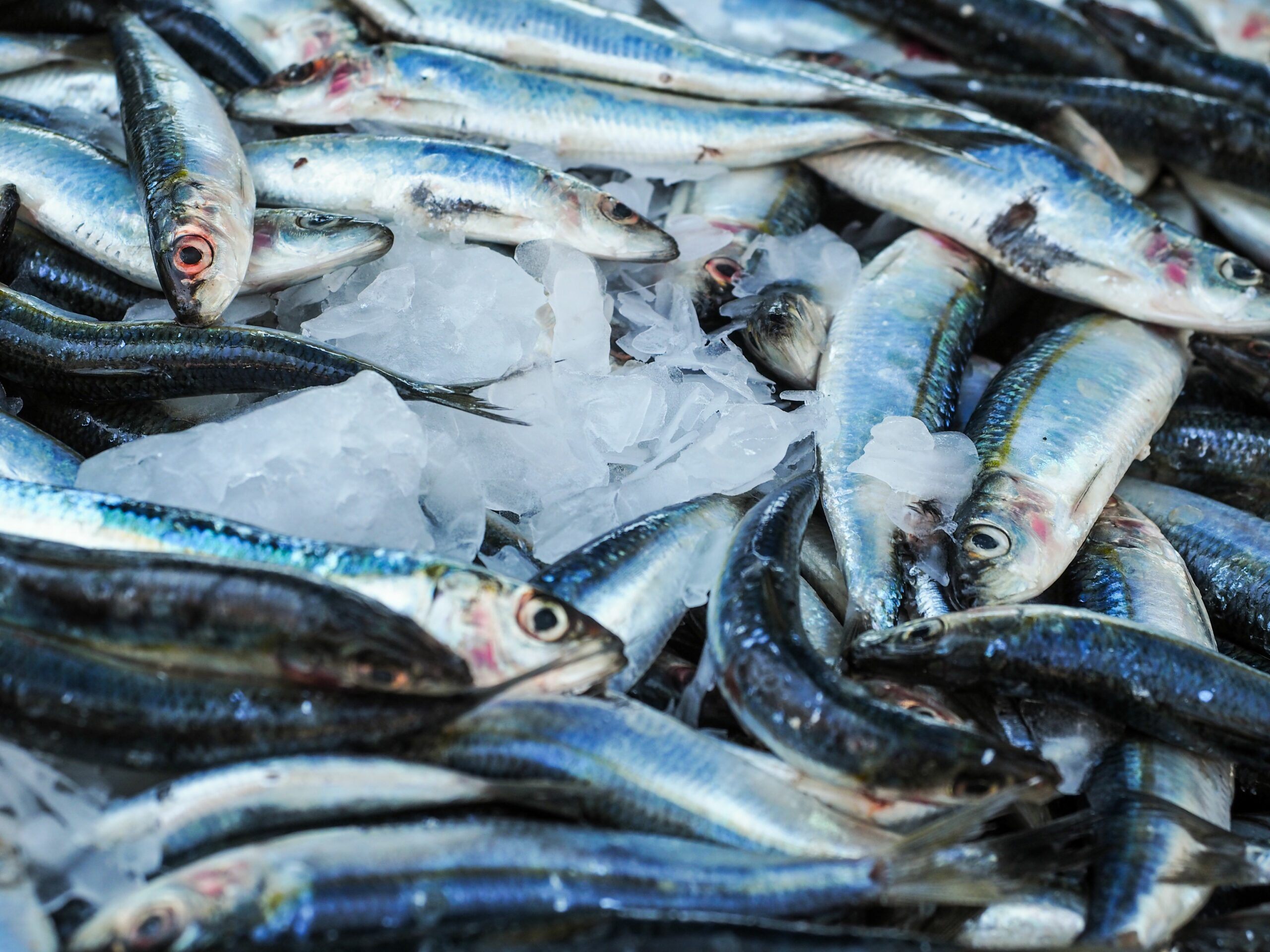
5. Pilchards
Canned pilchards are an inexpensive source of protein and omega-3 fatty acids, which support heart and brain health.
They also contain calcium, particularly when the soft edible bones are eaten.
Also see: Superfoods you need in your eating plan
6. Oranges
South Africa produces an abundance of citrus fruit, making oranges an affordable source of vitamin C for much of the year.
Vitamin C supports the immune system and helps the body absorb iron from plant-based foods.

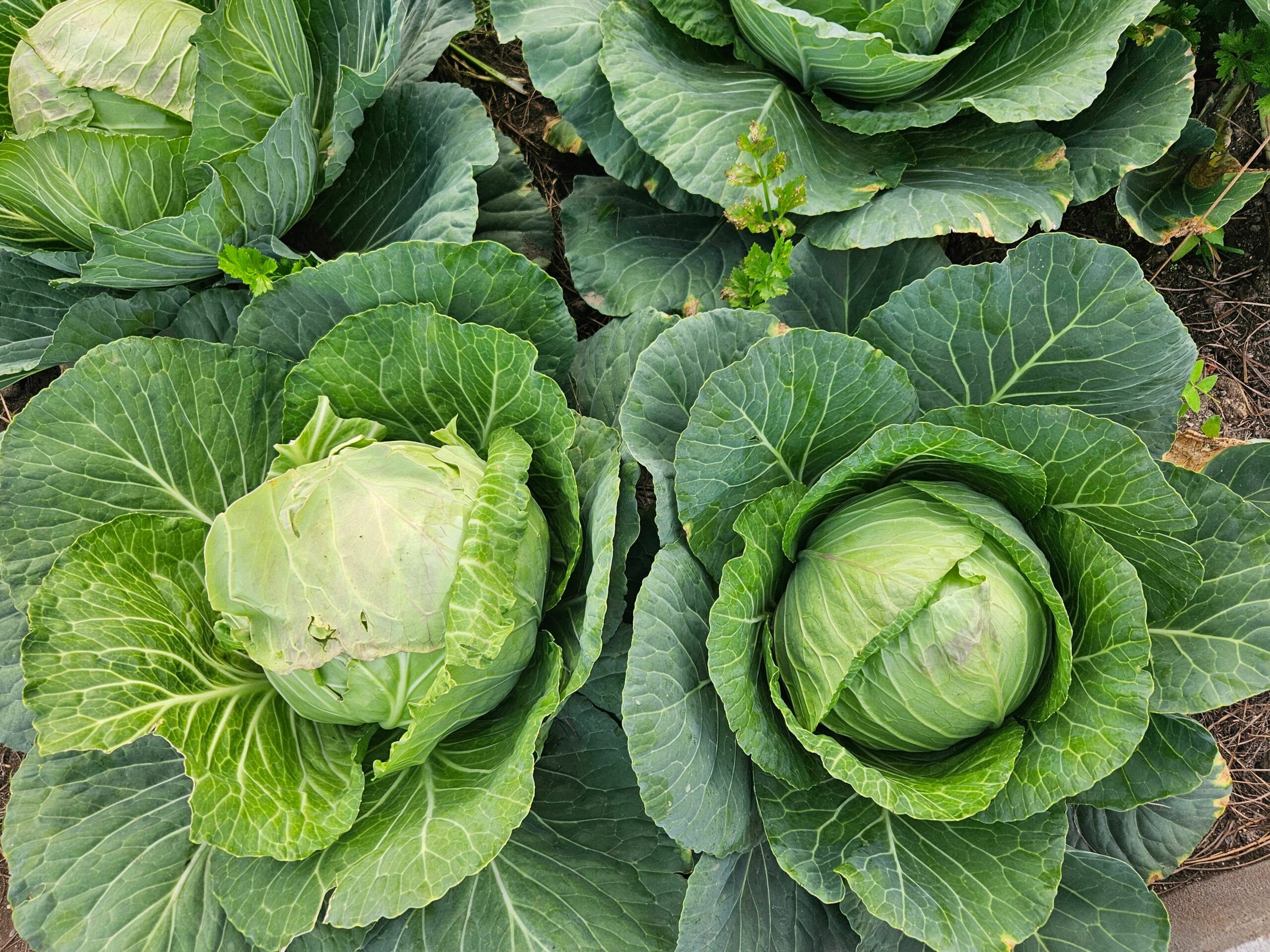
7. Cabbage
Cabbage is inexpensive, lasts well in the fridge and is packed with fibre, vitamin C and antioxidants.
It works well in stir-fries, salads, soups and traditional South African dishes.
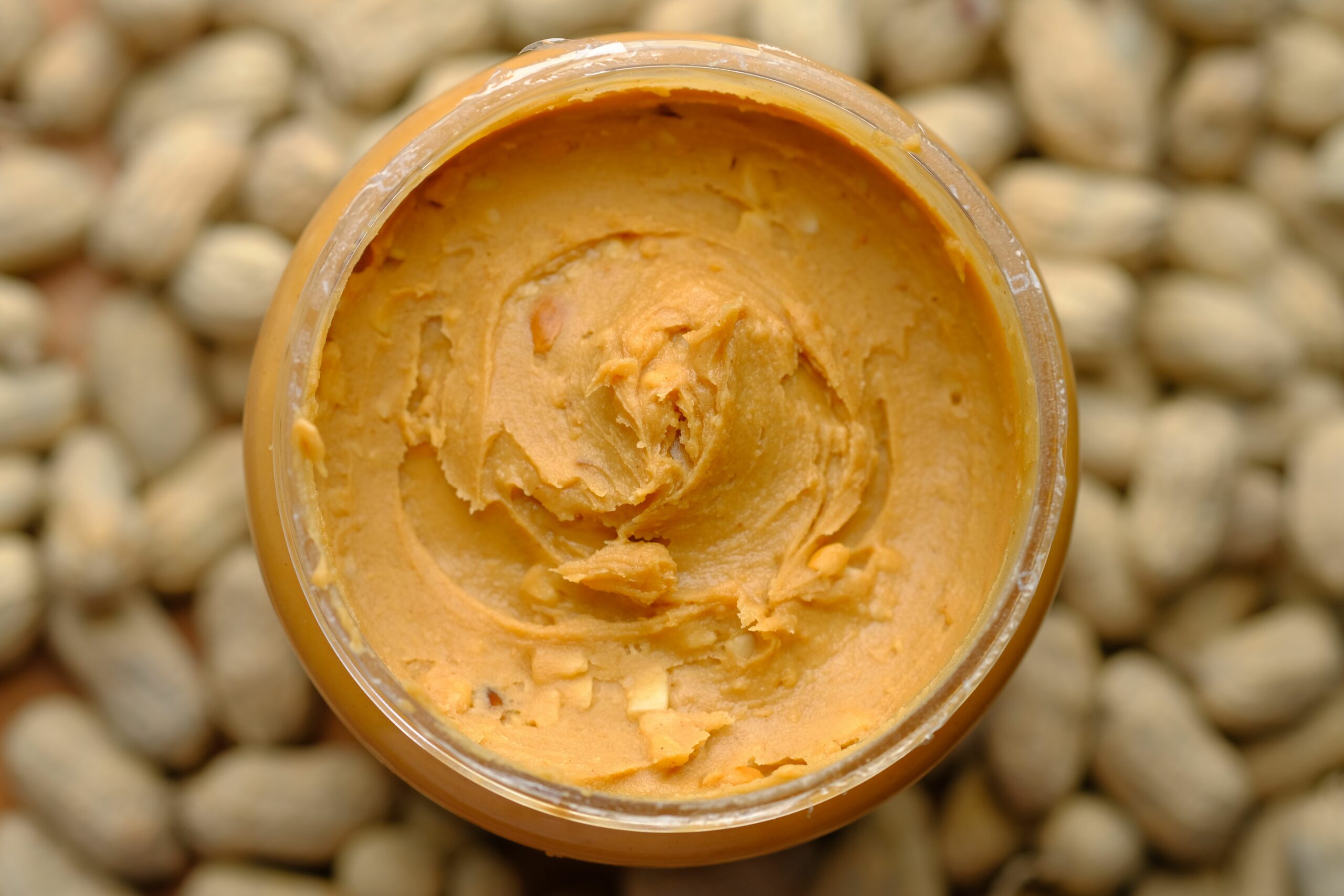
8. Peanut butter
Choose natural peanut butter with little or no added sugar or salt for a nutritious snack.
Peanuts provide healthy fats, protein and vitamin E, making peanut butter a filling option when paired with wholegrain bread or fruit.
9. Plain yoghurt
Plain yoghurt contains protein, calcium and beneficial bacteria that support gut health.
Choose plain varieties and add fresh fruit or oats instead of buying flavoured yoghurts that may contain added sugar.

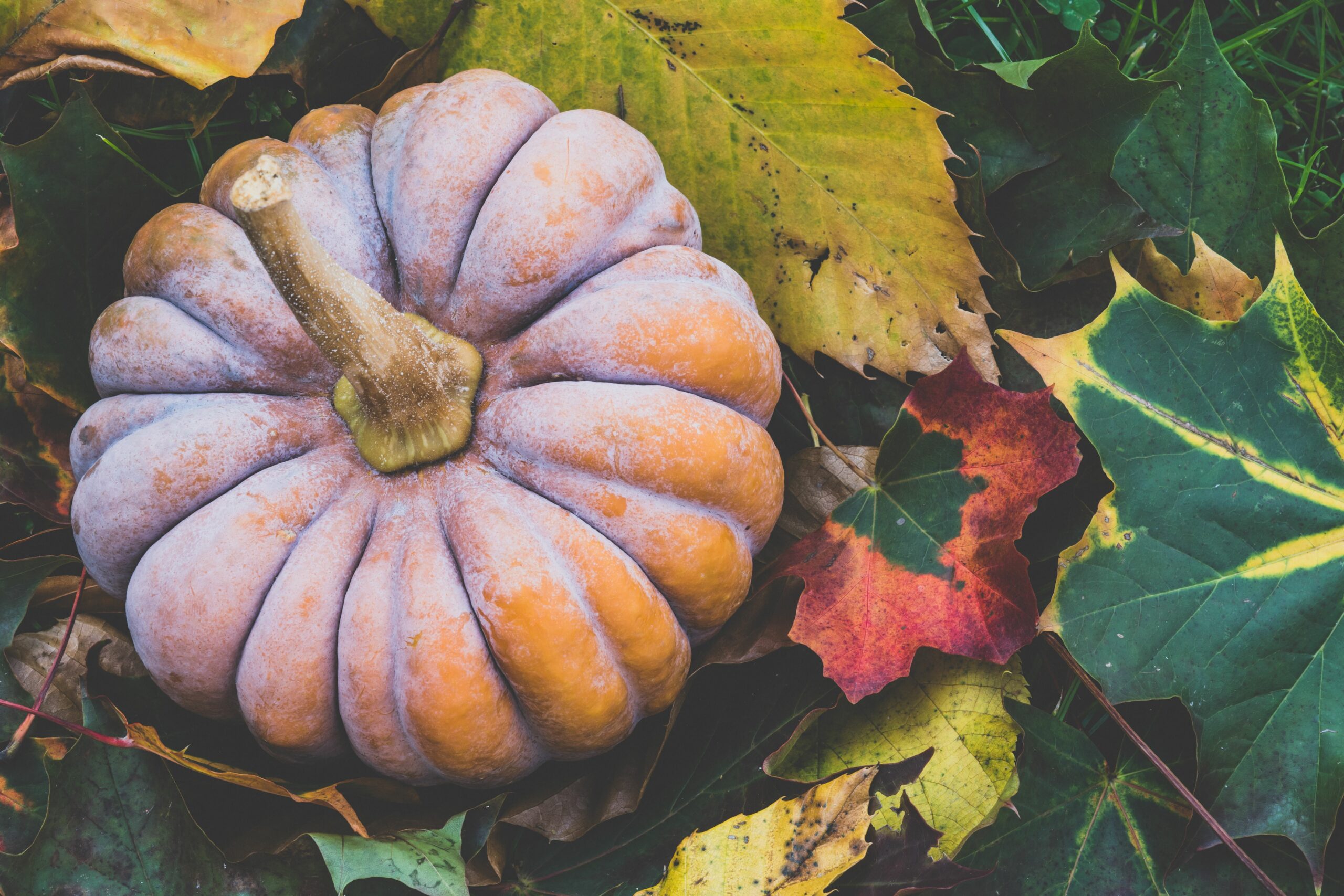
10. Pumpkin
Pumpkin is affordable, especially when in season, and is rich in beta-carotene, fibre and vitamin C.
Roasted pumpkin, pumpkin soup or mashed pumpkin can make delicious additions to family meals.
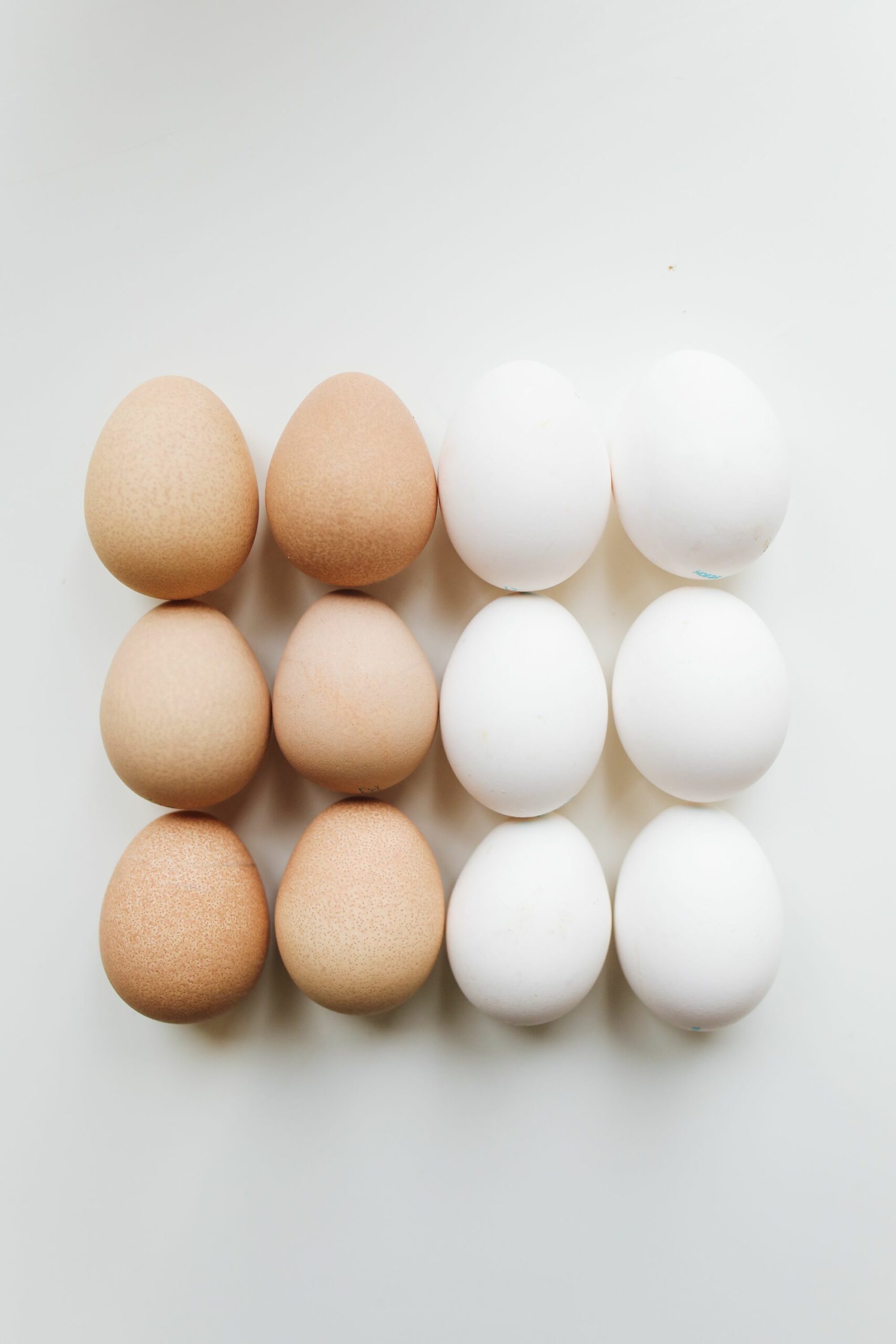
11. Eggs
Eggs remain one of the most affordable sources of high-quality protein.
They’re also rich in vitamin B12, choline and several essential nutrients that support muscle and brain function.
12. Rooibos tea
A proudly South African favourite, rooibos tea is naturally caffeine-free and contains antioxidants.
While it isn’t a replacement for a healthy diet, it can be a refreshing alternative to sugary drinks.

Tips for eating healthy on a budget
- Buy seasonal fruit and vegetables whenever possible.
- Choose dried beans and lentils for greater value.
- Compare unit prices rather than package prices.
- Plan meals before grocery shopping to reduce food waste.
- Freeze extra vegetables and leftovers for future meals.
- Limit highly processed snacks and sugary drinks.
The bottom line
Healthy eating doesn’t require expensive imported products. Many affordable foods found in South African supermarkets and local produce markets provide the nutrients your body needs. Building meals around vegetables, whole grains, legumes, lean proteins and seasonal produce is one of the most cost-effective ways to support your health.
Also see: Stay well this winter: Foods that power up your immunity
Be the first to know – Join our WhatsApp channel for content worth tapping into. Click here to join!