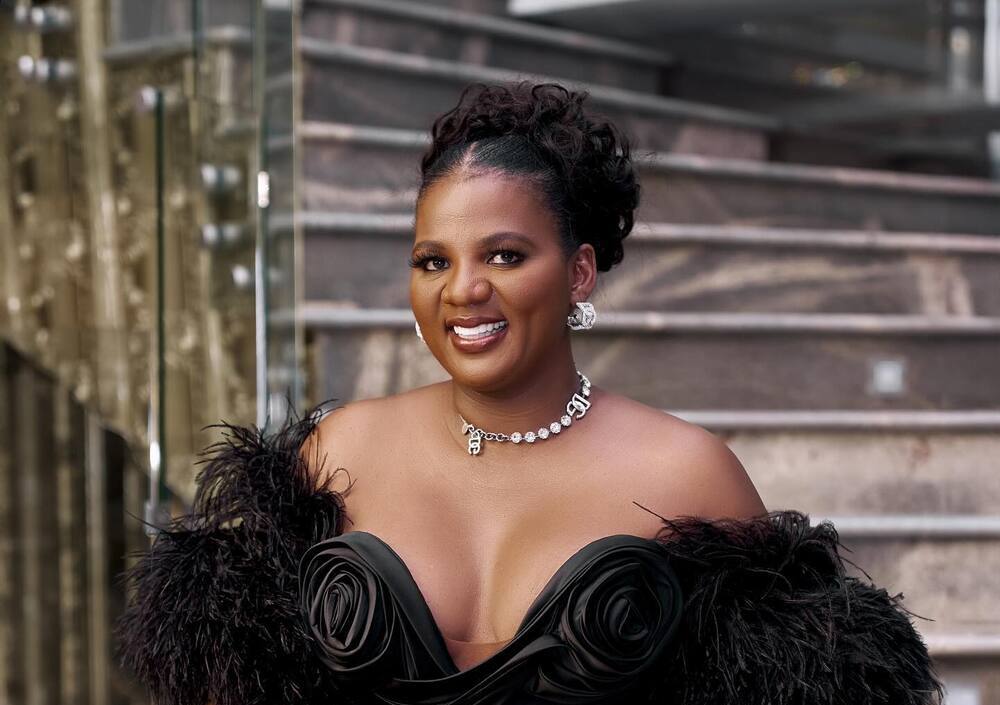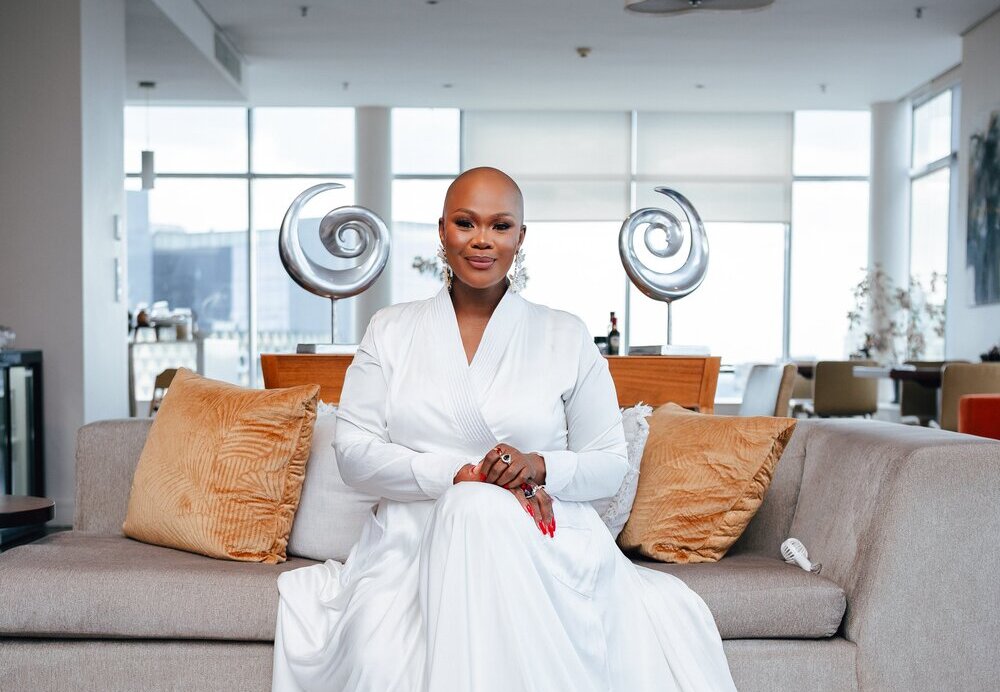
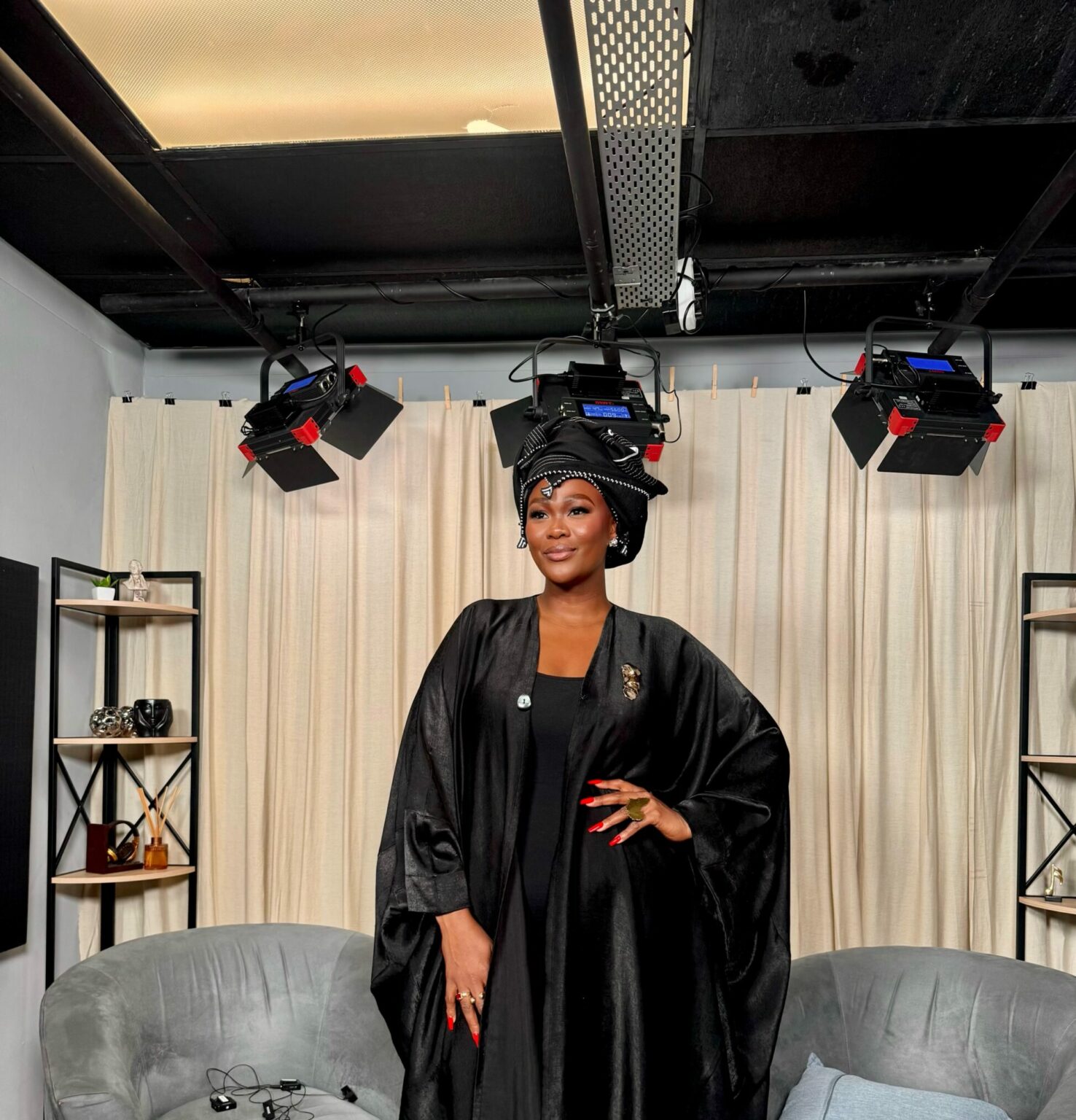
Award-winning South African actress Zikhona Sodlaka has pulled back the curtain on the limitations of local television writing, sparking an urgent industry conversation about the repetitive, pigeonholed tropes written for Black women on screen.
Also see: ZIKHONA SODLAKA BRINGS SOUTH AFRICA’S LEADING MEN TOGETHER FOR ‘THE ART CIRCLE’ PREMIERE
In a powerful discussion unpacking the recurring archetypes that dominate South African storytelling, Sodlaka took aim at the tired moulds actors are continuously handed, and why it is time for a radical shift in how complex female characters are portrayed, speaking on Relebogile Mabotja’s podcast.
The 4 archetypes that keep South African storytelling boxed in
During the candid conversation, Sodlaka and actress Relebogile Mabotja mapped out the primary character moulds that local writers repeatedly default to when scripting Black women.
Rather than offering multidimensional, evolving humans, writers often fall back on a predictable rotation:
- The Angry Black Girl: A character whose entire emotional spectrum is reduced to hostility, frequently painted as bitter or aggressive without exploring the systemic or personal roots of her frustration.
- The Damsel in Need of Rescuing: Often defined by her dependence, whether needing a job, a financial saviour, or a man to rescue her from her circumstances, sometimes utilising transactional relationships to survive.
- The Prayer Warrior: The steadfastly married matriarch figure whose individual identity, career aspirations, and personal agency are entirely subordinated to praying for her family.
- The Messenger/The Unpretty Friend: Typically cast as the messy, unpolished sidekick whose primary narrative purpose is not to have an independent arc, but to act as a vehicle to teach a lesson or serve as a foil to the main lead.
Also see: ZIKHONA SODLAKA CELEBRATES SAWID PROGRAMME GRADUATES WITH WARM TRIBUTE
View this post on Instagram
Deconstructing the “hard-to-love” woman
For Sodlaka, one of the most damaging narratives perpetuated on screen, and mirrored in society, is the trope of the woman labelled “hard to love.”
Challenging this notion directly, Sodlaka offered a profound re-framing of the archetype:
“I don’t believe there are women that are hard to love. I think they are little girls who were never loved properly, learned that wanting to be loved was punishable, so they became hard to love.”
Reflecting on characters she has brought to life throughout her illustrious career, Sodlaka noted that women labelled as difficult on screen are frequently penalised simply for speaking truth to power. These characters refuse to sugarcoat their pain, explicitly call out mistreatment, and tell perpetrators when they are being hurt.
In an industry and society that often demands compliance and palatable suffering, refusing to mask one’s wounds is frequently misinterpreted as being unlovable.
A call for deeper, multi-dimensional narratives
Sodlaka’s critique serves as both a mirror to the entertainment sector and a roadmap for writers, directors, and commissioners. As South African audiences increasingly demand authentic, layered representation, the call to retire flat, stereotypical boxes is louder than ever.
By dismantling tropes like the angry stereotype or the unlovable truth-teller, local storytelling can finally make space for the full, messy, and magnificent humanity of Black women.
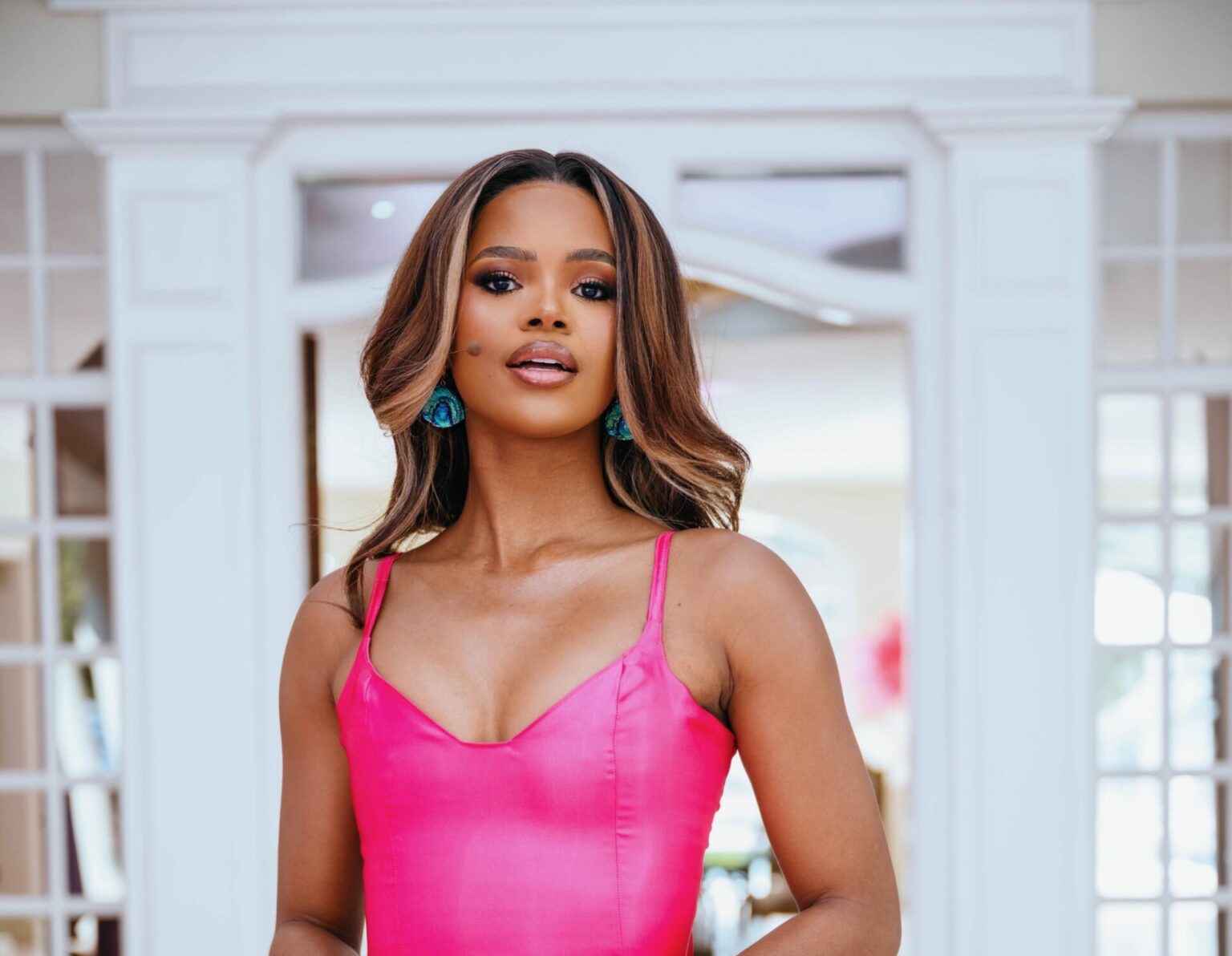
Featured image: Instagram/@zikhonasodlaka
Also see: ZIKHONA SODLAKA CELEBRATES MAJOR ICONS OF AFRICA AWARDS WIN
Be the first to know – Join our WhatsApp channel for content worth tapping into. Click here to join!