Even as streaming feeds, short-form video, and social algorithms compete for every second of attention, radio continues to anchor everyday life across South Africa.
Also see: LLB GRADUATE MIHLE NGXISHE RAISES THE BAR WITHIN THE MEDIA LANDSCAPE THROUGH RADIO
From bustling morning commutes to quiet evening routines, the medium offers something fleeting social timelines rarely replicate: shared real-time companionship, familiar voices, and a sense of belonging that transcends screen fatigue.
A medium built on proximity, voice, and trust
Across South Africa’s three-tier broadcasting landscape (public, commercial, and community), radio thrives because it speaks directly to lived reality. Media commentary from AME (African Media Entertainment) highlights how community stations act as a figurative “town hall” and a “vigilant neighbour,” addressing hyper-local issues and fostering active citizenry through live call-ins and on-the-ground events.
Similarly, Radio 786 has marked more than three decades of broadcasting around connection, linking local neighbourhoods to broader conversations and giving space to voices that might otherwise go unheard.
Internationally, UNESCO has long recognised community and local radio as a vital pillar for civic participation and media literacy, helping audiences navigate crowded digital spaces and verify information amidst online noise. That blend of immediacy and human accountability keeps listeners tuning in when algorithms feel overwhelming.
View this post on Instagram
Also see: YVONNE CHAKA CHAKA MARKS 6 YEARS OF EMPOWERING FEMALE VOICES WITH WOMAN RADIO
Language, access, and university research
In a country rich with official languages and diverse cultural traditions, hearing a presenter speak your language with warmth and cultural nuance creates an immediate bond.
Academic research on South African community radio, including systematic scholarship by Phinda Mkontwana and Ndivhuwo Doctor Sundani on indigenous language preservation, alongside research on digital technologies and community radio at the University of Johannesburg, underscores how radio bridges linguistic and accessibility gaps where digital-only platforms can fall short.
Earlier research into deliberative talk formats in the Western Cape, including social scientist Brett Davidson’s work with the Kettering Foundation and Valley FM in Worcester, demonstrated how participatory radio can turn everyday citizens into active contributors to local dialogue.
Meanwhile, the Broadcast Research Council of South Africa’s (BRC) ongoing Radio Audience Measurement Survey (RAMS), spanning tens of thousands of respondents across a universe of roughly 45.3 million South Africans aged 15 and older using blended face-to-face and online methods, reflects how seriously the industry tracks multi-platform and on-the-go listening habits.
View this post on Instagram
Why radio still feels like home
Algorithms can serve personalised content, yet they cannot replace the shared energy of a live breakfast show, a neighbourhood shout-out, or a song that brings a whole taxi rank, kitchen, or living room into the same moment.
As AME notes, radio feels like a listening “home” because it meets people where they are. In a fast-moving digital era, South African radio endures not by fighting technology, but by keeping humanity right at the centre of the broadcast.
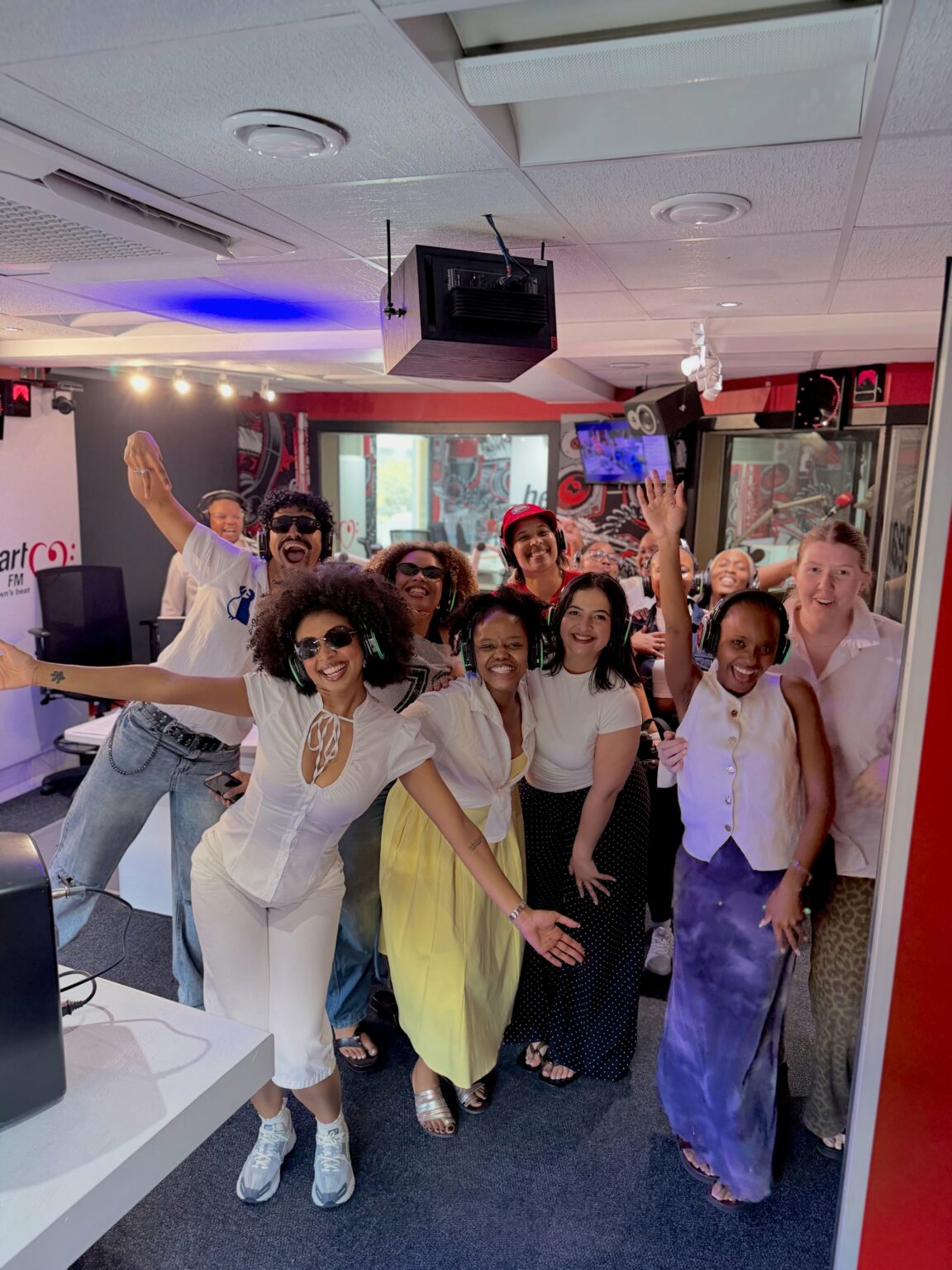
Featured image: Instagram/@heart1049fm
Also see: WHAT IT REALLY TAKES TO BUILD A LASTING CAREER IN AFRICAN BROADCASTING
Be the first to know – Join our WhatsApp channel for content worth tapping into. Click here to join!