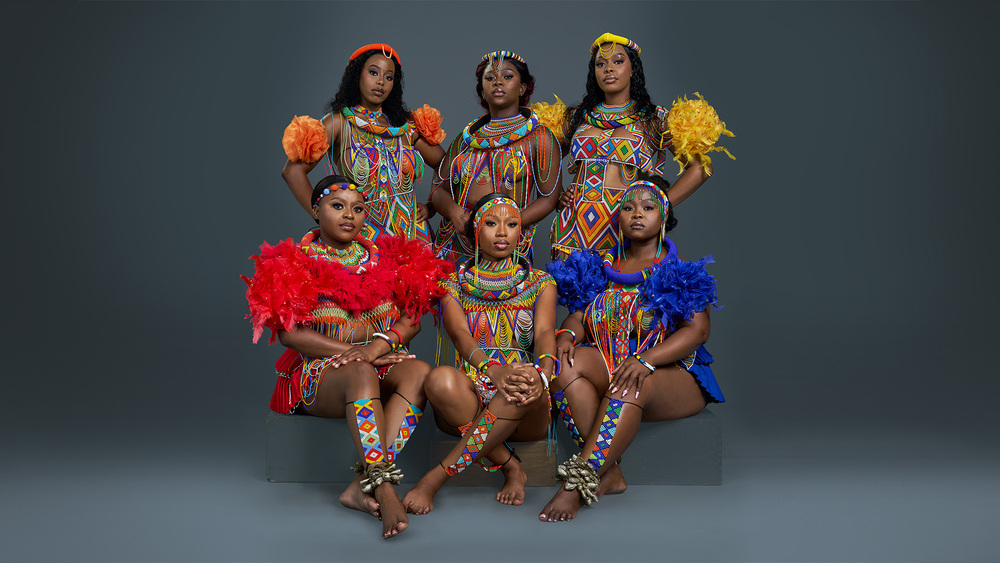
In the wake of the recent debates between DJ Maphorisa and Prince Kaybee regarding the ownership of music rights, renowned Kwaito group Trompies has offered their opinion on the matter.
The group highlighted that artists should start investing more time into being educated prior to getting a career started in the music industry.
In an interview with Sunday World, they said that many aspiring musicians abandon their education in exchange for their talent, in the process relying solely on their gift to take them far in life. Meanwhile it has been proven that many artists who choose this route ultimately die broke due to a lack of knowledge.
Prior to these comments, Maphorisa appeared in a live video where he claimed ownership rights to all of the songs that have been recording in his studio.
“When you record music on my computer, my studio, with my electricity. That sh*t is mine. It belongs to me. You guys don’t know anything […] Why must you own things you didn’t come with?” he said.
He later added that as soon as artists start getting their own studio, microphones and fruitloops, only then will they own their own songs.
Speaking about their own experience in the industry, the group revealed that Maphorisa was well in his rights to claim ownership of the songs but added that it all depends on what the contract states.
They added that during the years of apartheid they suffered a similar fate because of how apartheid was structured, to prevent black people from owning anything. They later stressed that this is why artists needed to be equipped with knowledge.
“You were robbed of your rights from the beginning. There is no such thing as when you come to my studio, you own nothing unless you don’t know what rights are there. Copyright: You own it 100%, and when you have composed a song, nobody will take that song away from you.”
“There is a difference between mechanical rights and copyrights. Mechanical rights are when you take a song, which is referred to as software, and put it into a medium that can be used for people to be able to listen to the song. You, as a studio manager or owner, own the rights to mechanically convert what was in software to hardware.”
The group believe that as soon as the department of arts and culture and the entertainment industry have dialogues to discuss these policies, more artists will start thriving.
Also see: Internet reacts to Bafana Bafana’s loss