The Lawsuit That Didn’t Land
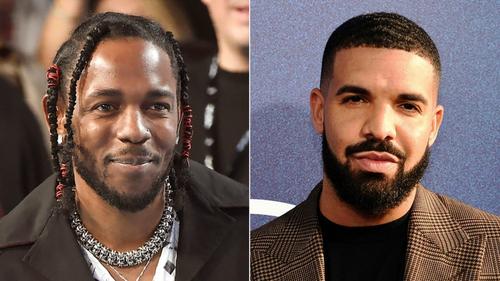
Drake just took a major legal blow in a saga that blurred the lines between diss tracks and the courtroom. A U.S. federal judge has dismissed his defamation case against Universal Music Group (UMG), saying the claims tied to Kendrick Lamar’s headline-dominating diss track, Not Like Us, don’t hold up in the eyes of the law.
Drake had sued in January 2024, accusing UMG of secretly boosting Lamar’s streaming numbers and distributing a song he claimed damaged his reputation. His argument? That UMG funded and facilitated a track meant to hurt his brand, even alleging shady licensing deals and hidden payments.
His legal team was careful to disclaim that the lawsuit wasn’t targeting Lamar directly—but they framed it as a matter of “artist safety” and corporate greed.
UMG didn’t flinch, firing back that Drake had no problem using the label to release his own shots during the feud and was now trying to “weaponise the legal process” to stop another artist from doing the same.
The Judge’s Call: “Rap Battles Aren’t Court Facts”
Judge Jeannette Vargas wasn’t swayed. She ruled that the accusations made in Not Like Us—including the song’s most incendiary bar, which implied Drake is a pedophile—don’t meet the legal threshold for defamation. Why? Because diss tracks are understood by listeners as hyperbole, not factual claims.
Vargas called the Drake vs. Lamar feud “the most infamous rap battle in the genre’s history” and noted the tracks were full of “trash talk, figurative language, and violent threats” that no reasonable person would take literally.
In her words, the diss track was part of “a war of words” loaded with exaggeration and opinion—exactly the kind of expression protected under free speech. As for UMG, she ruled that distributing an artist’s music doesn’t make them liable for its content.
How We Got Here: A Feud for the History Books
The legal drama traces back to May 2024, when Lamar unleashed a string of diss tracks during a rapid-fire back-and-forth with Drake. But Not Like Us changed the temperature of the culture overnight.
Released on May 4, the track exploded across charts, dominated social feeds, inspired viral remixes, and became an anthem in clubs and on corner radios alike. Lamar rode the momentum all the way to the Grammy stage—winning five awards, including Record and Song of the Year—and then performed the track at the Super Bowl halftime show in February. That moment alone cemented the diss as one of the most culturally impactful in modern hip hop.
The song’s message cut deeper than bar-for-bar battle talk: Lamar accused Drake of cultural appropriation and questioned his place in rap’s lineage, calling him “not like us.”
UMG Celebrates, Drake Plans to Fight On
UMG wasted no time responding to the ruling. In a statement, they called the lawsuit an “affront to creative expression” and said it should never have gone to court.
They also slipped in a reminder that they’re still invested in Drake’s career:
“We’re pleased with the court’s dismissal and look forward to continuing our work successfully promoting Drake’s music.”
Drake, however, isn’t tapping out. His spokesperson confirmed he’ll appeal the decision.
Social Media Didn’t Hold Back
Hip hop fans, stans and trolls alike took to X (Twitter) with a mix of mockery and loyalty:
-
@AnimeGuru100:
“Wasted everyone’s time, Drake ruined his reputation even further… What an idiot lol.” -
@Hamza:
“Oh Aubrey Graham, I promise to you we will not allow this loss to be in vain.” -
@onbrandviews:
“When you’re as big as Drake, you can lose a beef and a lawsuit and you’re still #1. Nobody is playing ‘Not Like Us’ anymore anyways.”
Even among South African fans, the debate has been loud—some see it as a humbling moment, others as just another chapter in hip hop theatre.
Bigger Picture: Hip Hop Meets the Courtroom
The real headline here isn’t just about who “won” the beef—it’s about the collision between lyrical combat and legal boundaries. The judge’s ruling firmly places diss tracks inside the realm of protected speech, acknowledging hip hop as a genre where conflict, character attacks and braggadocio aren’t literal statements but part of a cultural tradition.
And while Drake may appeal, the outcome sends a message to artists everywhere: You can clap back with bars, not briefs.
Whether the world keeps spinning Not Like Us or moves on, this ruling has already shaped the legal horizon for music battles going forward.
Source: IOL
Featured Image: Sky News