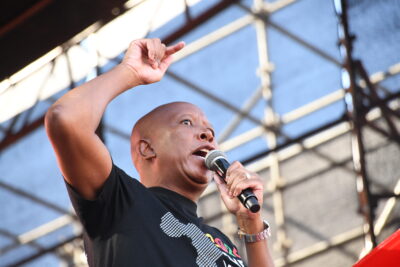
Afrikaner gospel singer Danie Botha declared with conviction that the Rapture would take place on 23 or 24 September 2025. He insisted that God had revealed the dates to him directly and stressed that it was not a dream. Botha repeatedly told his followers that he had “not even one percent doubt” about the prophecy. On Facebook, he started a countdown and posted scripture verses, describing himself and his family as “Rapture ready.”
Now that the dates have passed, the world looks much the same. It is 25 September, and South Africans are left weighing up what it all means.
From countdowns to commentary
In the build-up to the 23rd, the prophecy had a ripple effect. Some people took the message to heart, joining prayer groups, sharing Bible passages, and urging friends to prepare spiritually. For them, Botha’s warning carried urgency and a call to repentance.
As the hours moved on without any sign of global upheaval, the reaction shifted. Social media turned the prophecy into conversation material, blending humour, disbelief, and theology. On TikTok, one South African joked, “Coming to you live from heaven,” in a viral video. Twitter threads filled with memes about missed flights to the afterlife, while others expressed disappointment or concern about the impact of failed predictions on vulnerable believers.
@6akesss #rapturetok #viral #fyp ♬ original sound – †
At the same time, more measured voices reminded others of biblical warnings that “no one knows the day or the hour.” For them, Botha’s prophecy became less about the calendar and more about the dangers of trying to pin down sacred mysteries.
A wider chorus of voices
Botha was not the only figure to point to September. Preacher Joshua Mhlakela also claimed that the Rapture would arrive on 23 or 24 September, basing his belief on a vision he said he had of Jesus seated on a throne. He linked the timing to the Feast of Trumpets, a Jewish festival that some Christian groups associate with end-times prophecy.
These voices join a long history of similar forecasts. From the “Great Disappointment” of the 1800s to modern predictions in the United States and elsewhere, the pattern has often been the same: confident dates announced, fervent anticipation, then quiet let-down once the world continues unchanged. South Africa itself has seen smaller groups gather around specific prophecies, only to face the same outcome.
Lessons after September
Now the discussion turns to what comes next. For Botha, the outcome raises questions about spiritual leadership and responsibility. When bold predictions do not unfold, credibility is tested. Some believers may feel disillusioned, while others may look past the failed detail and embrace the broader call to faith and readiness.
The cultural impact, however, is undeniable. For days, South Africans across churches, homes and digital spaces were united in anticipation, prayer, or satire. That shared experience reflects just how deeply religion shapes the national conversation.
Perhaps the value lies not in the accuracy of the date, but in the reminder to live with purpose and integrity. Even if the Rapture did not unfold in September, the prophecy has left its mark, stirring debate, prompting reflection, and showing once again how a single voice can spark a nationwide conversation about belief and expectation.
Source: Briefly News
Featured Image: YouTube/Patmosstudio