Black Coffee’s Mom Sparks National Debate on “Boy Mom” Culture at Grandchild’s Birthday
A simple smile ignites a deeper conversation about accountability, parenting, and blended families
A single, candid photograph from one of DJ Black Coffee’s children’s birthday parties has lit up South African social media, but it’s not just celebrity gossip that’s fueling the discussion.
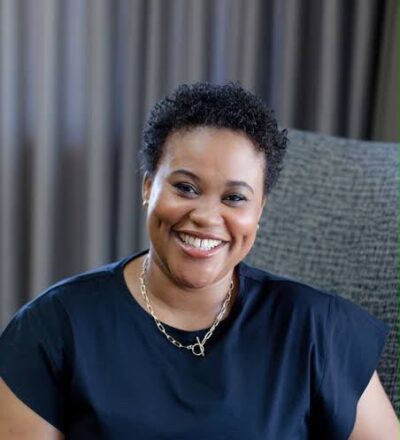
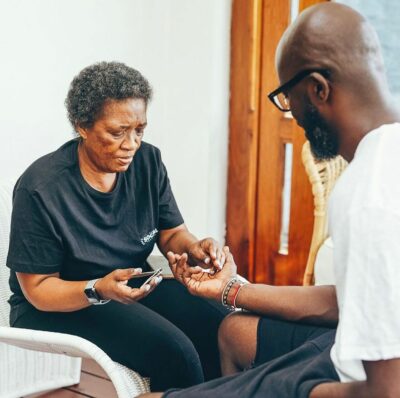
The image, shared by controversial blogger Musa Khawula—self-described “Wendy Williams Lite”—shows Black Coffee’s mother smiling alongside one of her son’s former partners and their child. At first glance, it’s an ordinary grandmother at a family celebration. But for many South Africans, it touched on something far more complex: the cultural dynamics of “boy mom” behaviour and the lasting impact of family accountability.
Black Coffees mom is such a perfect example of why the “boy mom” discourse exists https://t.co/fdkGrq7tgj
— MAFUNDA. (@mafvnda_) December 2, 2025
From Divorce Headlines to Social Media Storms
The conversation cannot be separated from the backdrop of Coffee’s headline-making divorce from actress Enhle Mbali Mlotshwa, finalised in October 2025.
Mlotshwa cited infidelity as the breaking point, revealing that Coffee fathered two children with other women during their marriage. While she received spousal maintenance and a share of his estate, the public remained fascinated by the drama—the heartbreak, the humiliation, and the cultural conversations it sparked.
Now, seeing Coffee’s mother at a party with one of the women whose pregnancies contributed to the divorce, social media users on X erupted.
One user, Mafunda, wrote:
“Black Coffee’s mom is the perfect example of why the ‘boy mom’ discourse exists.”
The debate revolves around whether the photo reflects a blended family prioritising children’s happiness—or whether it highlights broader issues of accountability, particularly in the way some mothers raise their sons.
What Is “Boy Mom” Culture?
Originally a lighthearted term celebrating the joys of raising sons, “boy mom” culture has evolved in public discourse. Today, it often refers to mothers who:
-
Idealise their sons even when they’re in the wrong
-
Excuse harmful or irresponsible behaviour
-
Protect their sons from accountability
-
Reinforce traditional gender stereotypes
-
Centre their own identity around being the mother of a boy
Research, including studies by the American Psychological Association, suggests that boys who are shielded from consequences are more likely to struggle with empathy and emotional regulation as adults.
In other words, the debate isn’t just about one photograph—it’s a reflection of dynamics many South Africans recognise in their own families.
Social Media Divided
Responses to the image were mixed.
Some defended the grandmother’s role:
“At the end of the day, children deserve love from all sides of their family,” one user wrote.
“Healing for blended families requires putting children first, even when the history is messy,” added another.
Others were less forgiving:
“How do you stand by your son’s actions while celebrating with the very people who contributed to destroying a marriage?” one questioned.
“Where is the line between prioritising children and enabling harmful behaviour?” another asked.
In a country still grappling with gender-based violence (GBV), these questions carry weight. Parenting choices shape the men of tomorrow, and mothers play a key role in teaching empathy, respect, and accountability.
Blended Families Require Complicated Love
Experts emphasise that blended families demand maturity, healing, and sometimes uncomfortable coexistence. Being present in a grandchild’s life doesn’t erase past conflicts—but it does offer opportunities for reconciliation and stability.
For parents and grandparents navigating similar situations, this debate serves as a reminder:
Every decision we make, the love we give, the accountability we enforce, the silence we allow—all shape the adults our children will become.
Whether you see the photo as a symbol of love above conflict or as a cautionary tale about enabling behaviour, it has succeeded in sparking a vital conversation about family, accountability, and culture in South Africa.
Source: IOL
Featured Image: X{@MDNnewss}