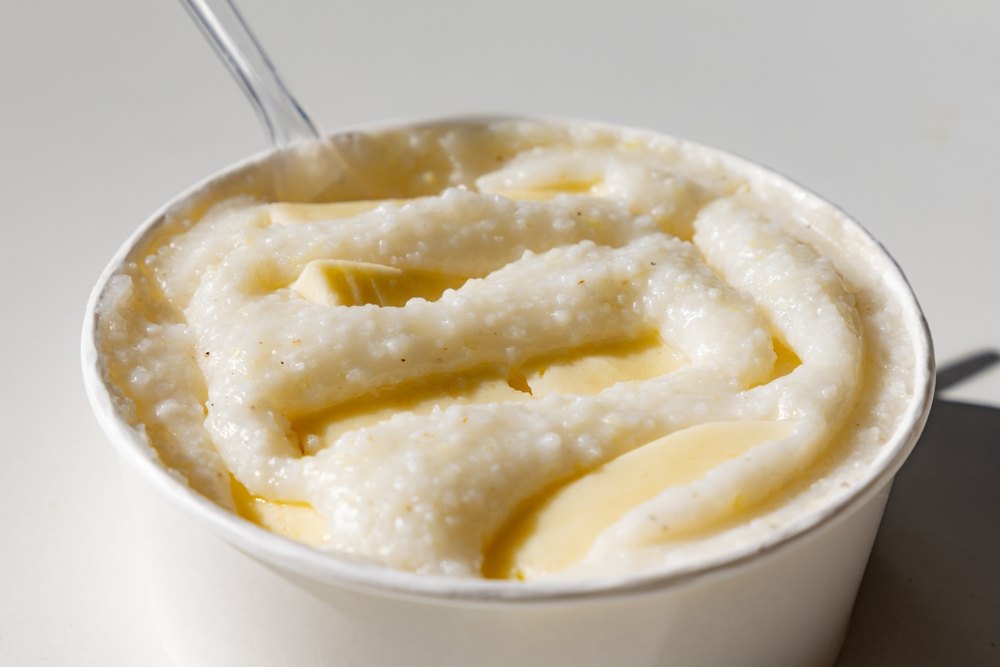
Before you banish the pot from your Sunday table, read this. The truth about pap is kinder than the whispers, and the fixes cost next to nothing.
Also see: Avocado Pap Trend Sparks Debate Among South African Foodies
It’s Sunday after church, and the pot is steaming on aunty’s stove. Someone sees you reaching for a second scoop and whispers, “Ay, carbs.” Suddenly you’re doing sums in your head over a plate of food you’ve loved since you were small.
You’re not imagining the pressure. The 2016 South African Demographic and Health Survey found that 68% of women in this country are overweight or obese. So it’s fair to ask what’s on our plates. But the answer isn’t “quit pap”. It’s a bit more interesting than that.
Aunty’s pot isn’t on trial
South Africa’s own food-based dietary guidelines don’t tell you to run from starch. They say starchy foods belong in most meals, because that’s where much of your daily energy comes from, and they suggest whole-grain versions such as whole-grain maize meal where you can.
There’s a bonus we rarely talk about. Since 2003, maize meal and wheat flour in South Africa have had to be fortified with vitamin A, iron, zinc, folic acid and several B vitamins. That’s a real boost on a budget, especially for women of childbearing age.
It’s also kind to your wallet. One South African study found that fortified maize meal porridge and bread gave the best nutritional value for the money within the starchy food group. Pap is working hard for you.
So why do the numbers look so scary?
Because a plate is more than its starch. Researchers describe South Africa’s core food basket as mostly starches, sugar, oil, beans and chicken, and say it isn’t nutritionally balanced. When food is expensive, vegetables and fruit are often the first things to shrink.
Food scientists agree that pap is by no means the sole culprit behind obesity and diabetes. The usual suspects are portion size, a plate with no colour on it, sugary drinks, extra oil and sitting still for most of the day. Pap just gets blamed because it’s always there.
Hot pap, cold pap: the Monday trick
Here’s a detail that surprises people. How fast a food raises your blood sugar is measured by its glycaemic index, or GI. A South African GI table lists stiff or crumbly pap at about 74 when hot, and about 50 once it has cooled.
Reheated pap lands somewhere in the middle. That’s thanks to something called resistant starch. When cooked starch cools, part of it changes shape, and your body digests it more slowly.
So leftover pap isn’t a failure. Cook a bit extra on Sunday, cool it quickly, keep it covered in the fridge and use it within a day or two. Then reheat it for Monday’s lunch. It’s a small nudge, not a miracle, but it costs nothing.
Also see: Nara Smith whips up pap and gravy in heartfelt tribute to her roots
The 2-hands plate
You don’t need a scale or an app. You need a plate and your hands. The simple plate method works like this: half the plate is non-starchy vegetables, a quarter is protein, and a quarter is carbohydrate, such as pap.
One South African diabetes portion plate takes it further. It says you can eat as many non-starchy vegetables as you can hold in both hands. That means morogo, spinach, cabbage, green beans, carrots, tomato and onion gravy, and a beetroot salad.
It matches what the World Health Organisation recommends. The WHO advises at least 400 g, or five portions, of fruit and vegetables a day. Your pap isn’t shrinking. Your veg is just joining the party. If you’d like the full picture, our balanced plate guide walks you through it.
Your screenshot-worthy pap plate
- Quarter plate pap: dish up the pap first, then fill the rest of the plate around it.
- Half plate veg: morogo, cabbage, spinach, carrots or butternut. Frozen mixed veg is a fine, affordable stand-in.
- Quarter plate protein: eggs, sugar beans, chicken, pilchards or maas on the side.
- Cook once, cool some: keep a portion of pap in the fridge for the next day’s lunch.
- Go coarse when you can: whole-grain maize meal when the budget allows, fortified maize meal when it doesn’t.
- Easy on the pot extras: go lightly with oil, salt and stock cubes, and keep the fizzy drink off the table. Water is cheaper anyway.
- Move a little: hop off the taxi one stop early or take a lap of the block after church.
When to ask for a check-up
If you’re often very thirsty, rushing to the toilet more than usual, feeling unusually tired or noticing blurry vision, don’t wait. The same goes if diabetes runs in your family. Many clinics and pharmacies can check your blood sugar, and it takes only a few minutes. A nurse, pharmacist or dietitian can help you plan meals around your own body and any medicine you take.
If you’d like to dig deeper into the science, here’s a closer look at how pap, samp and rice fit into everyday eating.
Pap raised you, fed your family and showed up at every celebration. It doesn’t need to be cancelled. Just give it better company.
Featured image: Supplied/HealthLab
Also see: From pap to vetkoek: Affordable South African comfort food favourites
Be the first to know – Join our WhatsApp channel for content worth tapping into. Click here to join!