
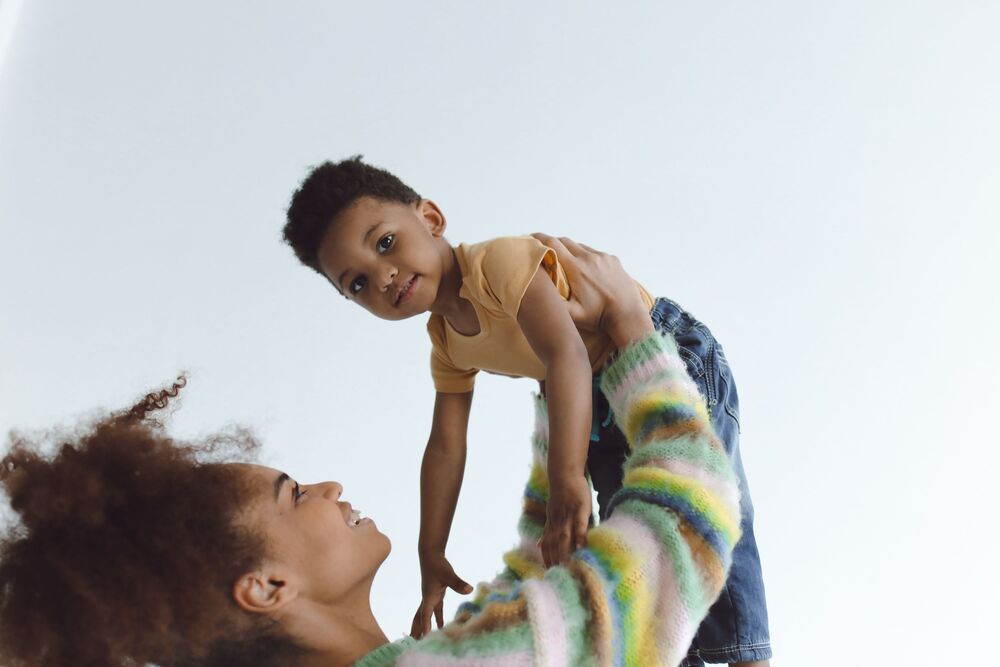
Raising a child involves more than providing food, clothing, school fees and a comfortable home. While financial support is important, children also need emotional support, guidance, affection and attention to develop into confident, well-adjusted individuals.
Also see: WhatsApp introduces new changes for parents and children in South Africa
The relationship children build with their parents can influence their confidence, behaviour, emotional well-being and ability to form healthy relationships.
According to child development experts, positive parenting and nurturing relationships play an important role in a child’s development.
Here are 10 things every child needs from their parents besides financial support.
1. Unconditional love and affection
Children need to feel loved regardless of their achievements, mistakes or academic performance. Simple gestures such as hugs, kind words and reassurance help them feel valued and secure.
2. Quality time and attention
Being physically present is not always enough. Children need parents who make time to listen, play and engage with them. Activities such as reading together, preparing meals or talking about their day can strengthen family bonds.
3. Emotional support
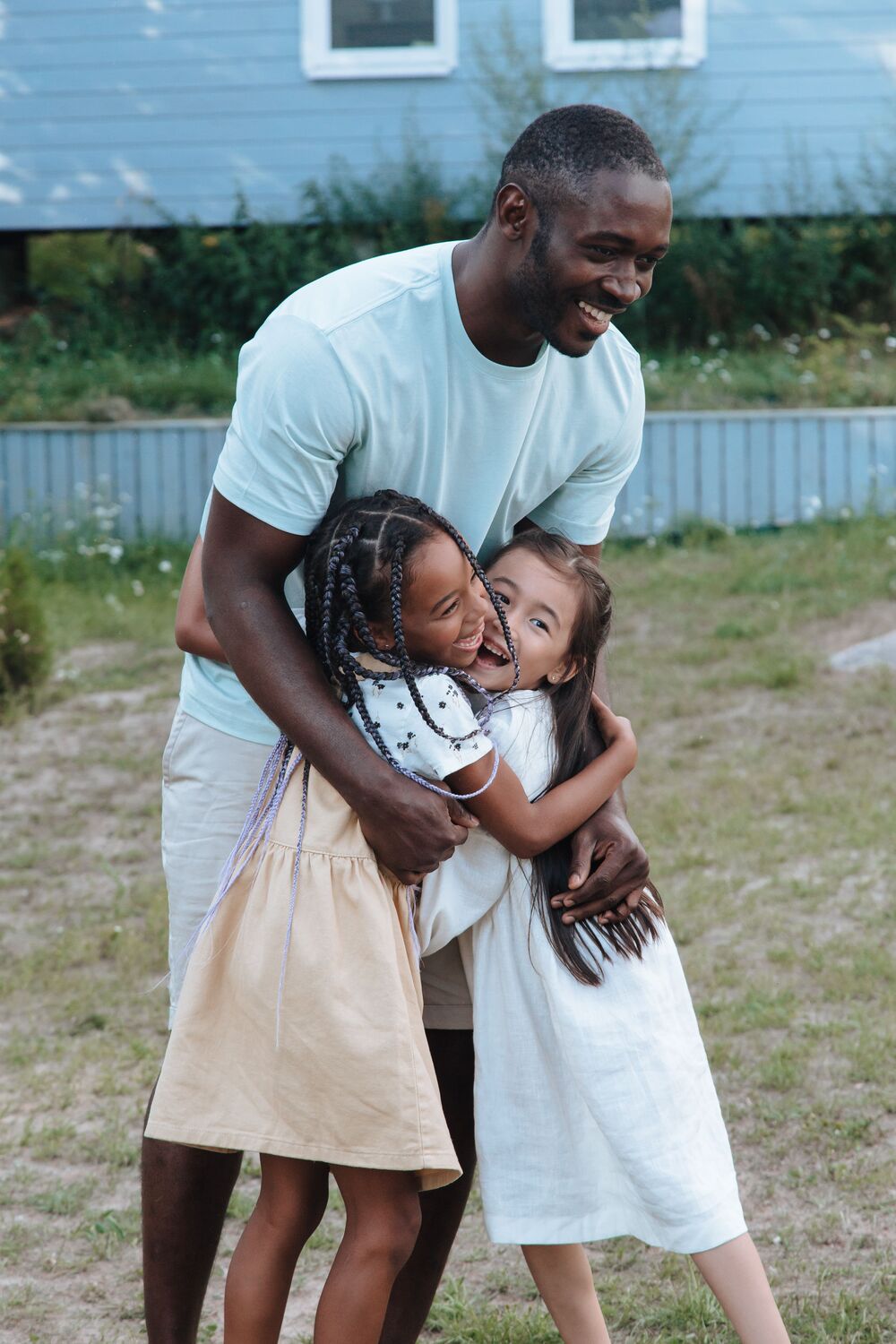
Children experience different emotions as they grow. Parents should create an environment where they can express sadness, fear, frustration and happiness without feeling judged. Helping children understand their emotions also encourages healthy communication.
Also see: 5 Ways parents can help children prepare for career choices
4. A safe and stable home
Every child deserves a home where they feel protected and respected. Consistent routines, dependable caregivers and a peaceful environment can provide the stability children need to thrive.
5. Encouragement and reassurance
Children need parents who celebrate their efforts, not just their achievements. Encouraging them when they struggle with schoolwork or try something new can help build confidence and resilience.

6. Guidance and discipline
Children need boundaries to understand responsibility, respect and acceptable behaviour. Parents should use positive discipline that teaches important lessons rather than relying on humiliation or intimidation.
7. The freedom to express themselves
Children should feel comfortable sharing their opinions, asking questions and discussing their concerns. Listening without immediately dismissing their feelings helps them develop confidence and trust.
8. Time to play and enjoy childhood
Play is an important part of childhood development. Playing games, exploring outdoors, dancing, and storytelling can strengthen creativity, social skills and the relationship between parents and children.
9. Independence and responsibility
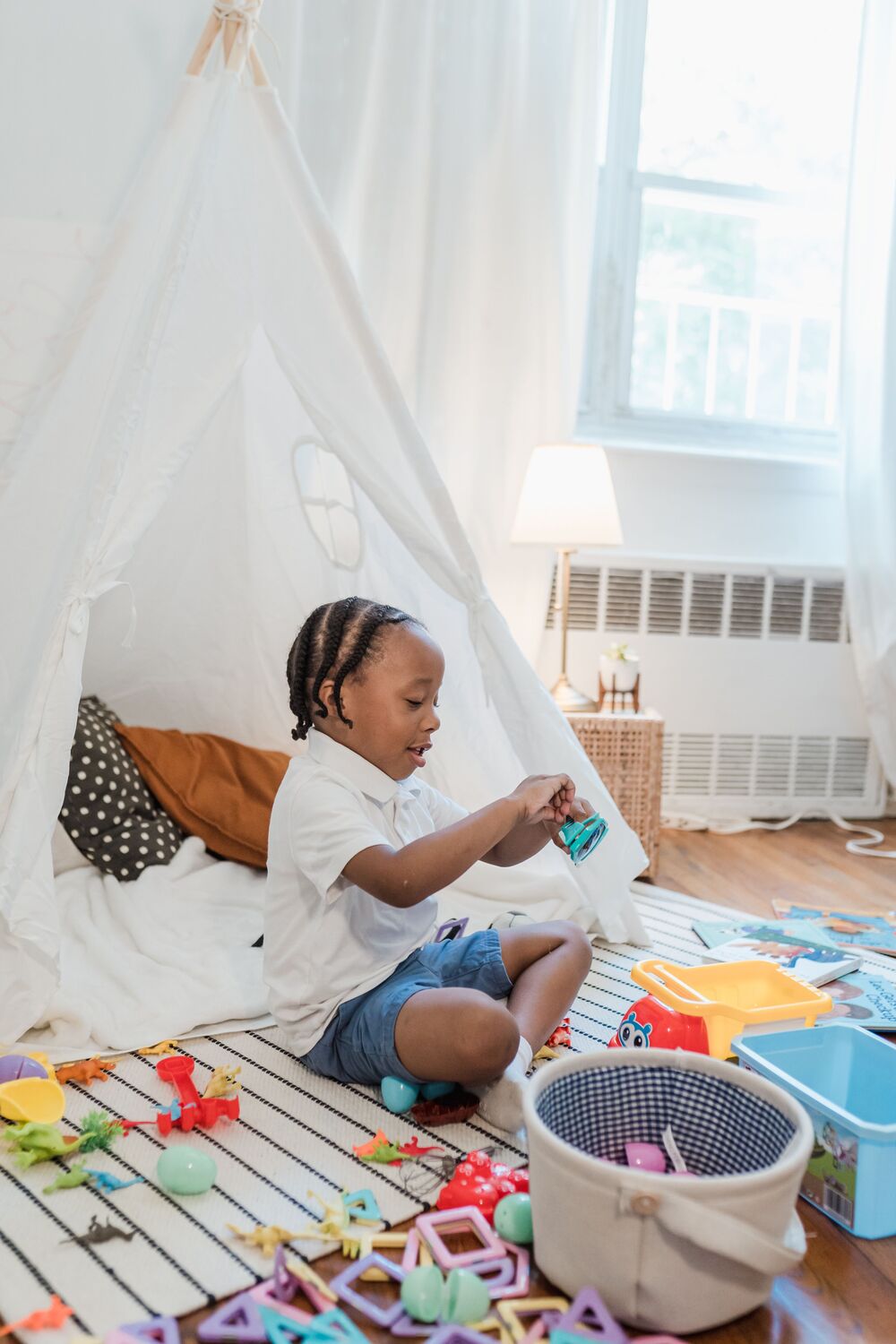
Parents should allow children to make age-appropriate decisions and learn from their mistakes. Simple responsibilities, such as organising schoolwork or completing household tasks, can encourage independence.
10. Parents who lead by example
Children learn by observing their parents. Demonstrating kindness, honesty, patience and respect teaches them valuable life lessons. Parents should also be willing to apologise when they make mistakes.
Parenting goes beyond providing financially
Financial support helps meet a child’s basic needs, but emotional involvement is equally important. Children need parents who listen, encourage, guide and make them feel appreciated.
According to UNICEF and the American Academy of Paediatrics, nurturing relationships and positive parenting contribute to children’s healthy development.
Ultimately, children need more than financial provision. They need love, attention, guidance and parents who consistently show up for them.
Featured image: Pexels/Polina Tankilevitch
Also see: Raising mindful digital users: How parents can tackle phone overuse
Be the first to know – Join our WhatsApp channel for content worth tapping into. Click here to join!