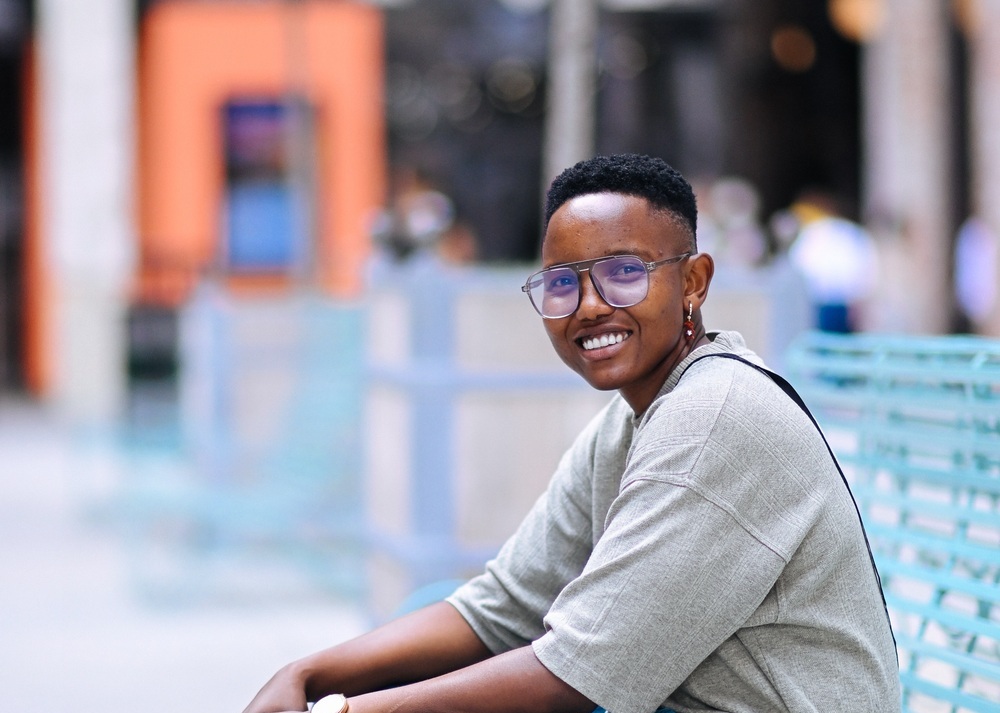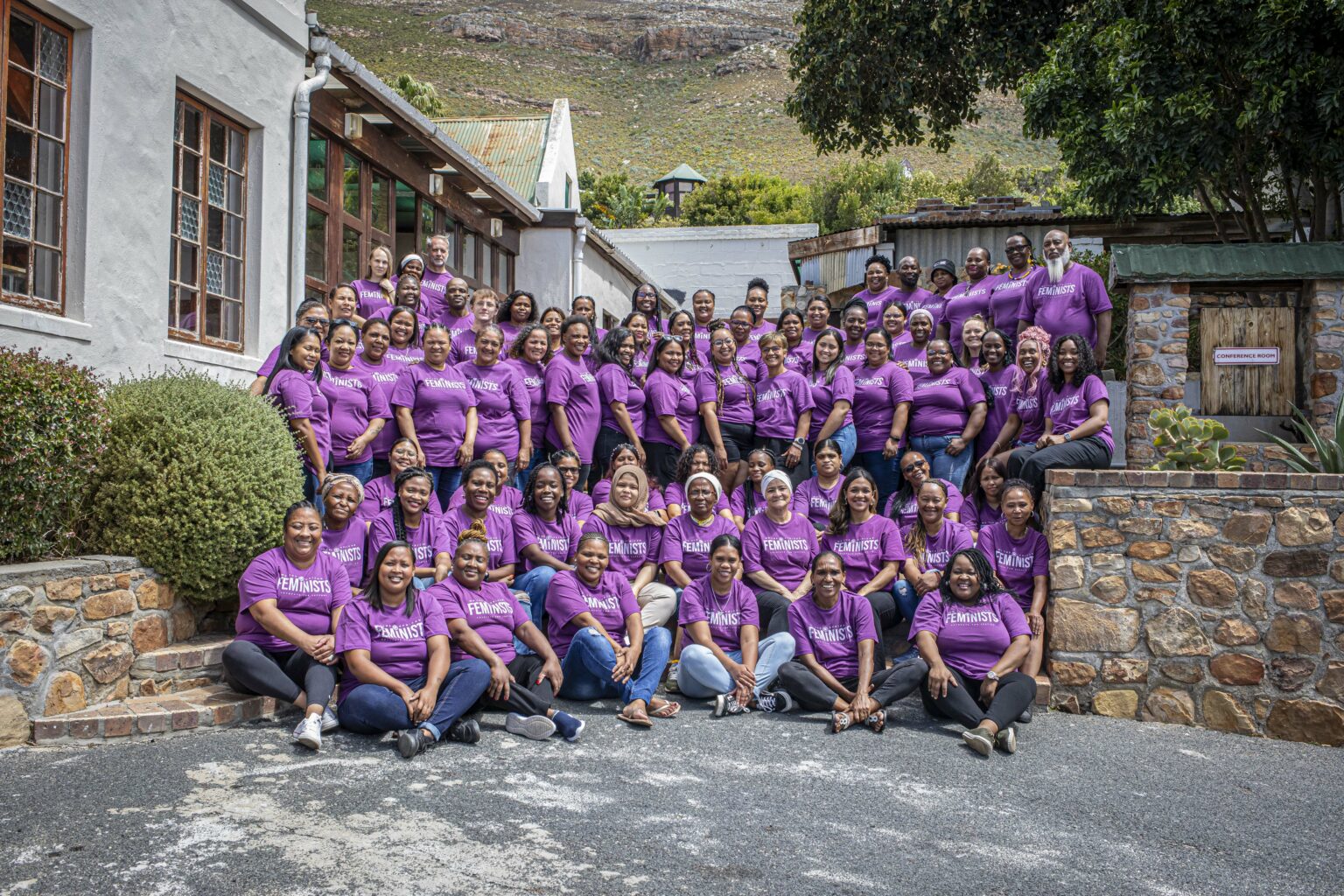

Across South Africa, a powerful generational shift is underway. From the urban corridors of Johannesburg and Pretoria to grassroots community hubs in Cape Town, young innovators, activists, and educators are refusing to wait on the sidelines of the future.
Also see: UNISA WINS LEGAL BATTLE AS COURT ORDERS SATIRICAL VIDEOS TO BE REMOVED
Backed by institutional frameworks, university research, and major developmental initiatives, South Africa’s Gen-Z and millennial changemakers are actively rewriting the blueprints for education, environmental sustainability, and online safety.
Transforming education through homegrown tech
In the education sector, young South African innovators are tackling systemic hurdles head-on. Rather than relying solely on traditional top-down reforms, youth-led edtech solutions are addressing administrative friction that burdens under-resourced classrooms.
A prime example is The Marking App, developed by South African educators and social activists Kabelo and Bonang under the Trevor Noah Foundation’s Education Changemakers Programme. Designed to reduce time spent on manual marking and bureaucratic administration, the app empowers teachers to spend more direct, quality time in front of the classroom.
According to institutional frameworks and leadership programs like the Education Changemakers initiative, which spans East, Central, and Southern Africa, investing in young pedagogical leaders is vital for long-term societal transformation.
Academic analyses emphasise that equipping young teachers and digital creators with localised tools bridges the gap between systemic policy and daily classroom realities.
Climate action: The rise of grassroots and youth-led policy
South Africa stands at a stark environmental crossroads; the continent is warming faster than the global average, placing disproportionate pressure on vulnerable communities. Yet, rather than accepting climate fatalism, young South Africans are spearheading localised adaptation strategies and demanding accountability.
The South African Youth Climate Action Plan (SA YCAP) serves as a vital living vision document, driven entirely by young people to shape environmental governance.
Underpinned by human rights and intersectionality, SA YCAP tackles critical local realities, from water resource management in a water-scarce nation to sustainable agricultural transitions and air pollution monitoring.
View this post on Instagram
This grassroots energy was sharply reflected at the United Nations Youth Watch Parties hosted in Pretoria, where student activists and environmental representatives from universities such as the University of Pretoria, Wits, UNISA, and the University of Johannesburg gathered to critique institutional follow-through.
As youth affairs advocates noted during these sessions, the core challenge is transforming high-level global climate promises into tracked, actionable local execution.
Academic research published by scholars like T. Booth and H. Thew (2025) on South African youth climate policymaking highlights that young activists are no longer just petitioners; they are active educators and governance contributors whose mobilisation serves as a primary site of transformative societal learning.
Furthermore, initiatives like the Young African Climate Changemakers (YACC) challenge, backed by Ashoka Africa, have continually rewarded local innovators integrating indigenous climate knowledge with modern technical solutions.
Also see: SMALL CAPE TOWN CHARITY MAKES WAVES ON INTERNATIONAL STAGES
Pioneering digital safety and economic empowerment
View this post on Instagram
As education and environmentalism move increasingly into digital and virtual spheres, youth changemakers are also confronting the modern frontier of digital safety and financial security.
With digital platforms acting as primary organising tools for modern activism and entrepreneurship, safeguarding young creators from online exploitation, misinformation, and financial opacity has become a paramount movement.
Experts and digital rights organisations across the continent stress that empowering youth-led spaces requires robust data protection and transparent digital infrastructures. Whether through safeguarding young digital artists or building transparent financial ledgers for creative economies, South African youth are demanding digital equity.
The road ahead
The collective impact of these young changemakers, whether they are building administrative apps for teachers, drafting independent climate action plans, or demanding transparent digital spaces, proves that South Africa’s future is being actively engineered from the ground up.
Supported by robust institutional mentorship and a deep-rooted entrepreneurial spirit, these leaders are demonstrating that youth agency is the single most powerful catalyst for sustainable national development.
Featured image: iStock/Alessandro Biascioli
Also see: FROM KRAAIFONTEIN TO THE MAIN STAGE: HOW BIG MEG IS REDEFINING SOUTH AFRICAN ENTERTAINMENT
Be the first to know – Join our WhatsApp channel for content worth tapping into. Click here to join!