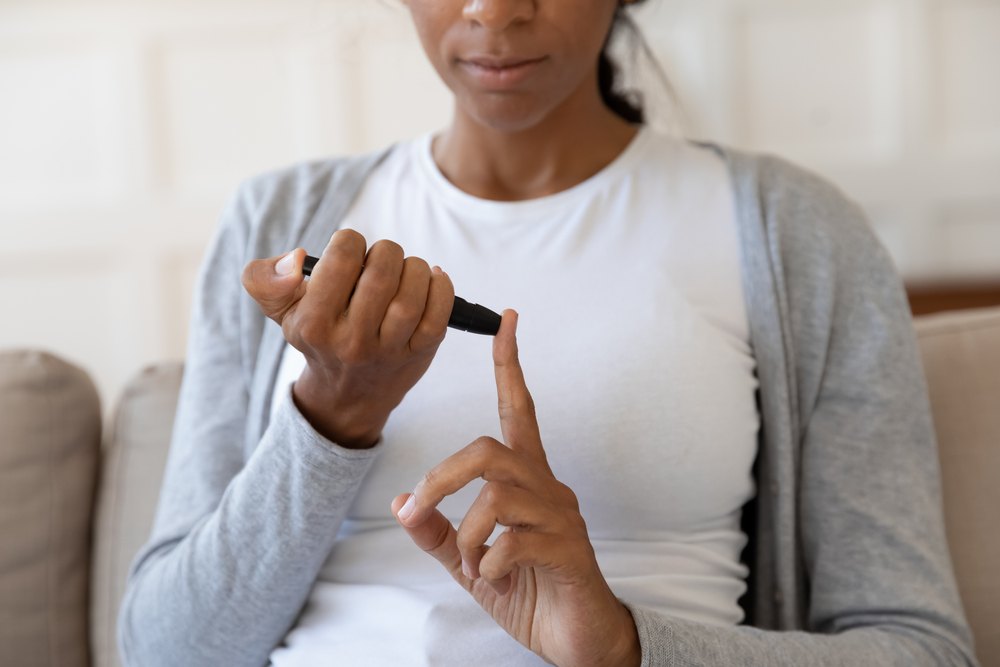
Your gogo had diabetes, your mother has it, and you’ve started to wonder whether you’re next. The truth is kinder than the family whispers, and the steps are small, cheap and easy to fit into a busy week.
It’s Sunday lunch after church. The pap and chicken are going round, someone’s auntie quietly checks her glucometer in the corner, and a cousin sighs, “Ours is the sugar family.” Everyone nods, and nobody says what you’re all thinking: who’s next?
If that scene feels familiar, this one’s for you. Having diabetes in the family does matter, but it isn’t a verdict. It’s a heads-up, and heads-ups are useful when you act on them.
Genes load the dice, but you still roll them
Type 2 diabetes is the common kind. It develops when your body stops responding well to insulin, the hormone that moves sugar from your blood into your cells. Genetics plays a strong role: the Cleveland Clinic puts lifetime risk at about 40% if one biological parent has it, and 70% if both do. That is a real raised risk, but it is still not a certainty.
Families share more than genes. Family history reflects both inherited factors and shared environment. Think of the same recipes, the same cooldrink habit and the same long sitting commutes. The good news is that the kitchen and the daily routine are the parts you can change.
The sneaky part: you can have it and not know
Type 2 diabetes can creep in quietly for years. The International Diabetes Federation estimates that 73% of adults living with diabetes in Africa are undiagnosed, the highest share of any region. In South Africa, a national survey found diabetes prevalence was higher among women, so this is a conversation for us.
Doctors look for a few risk markers. Being a woman with a waist of 80 cm or more is one flag, according to IDF thresholds. Other flags are having high blood pressure and having a close relative with diabetes. Having a baby over 4 kg or being diagnosed with diabetes in pregnancy also counts. If you had diabetes in pregnancy, the follow-up checks matter. Our guide on diabetes in pregnancy and what comes after explains what to ask for.
Also see: How to fight diabetes in children
Why testing beats guessing
SEMDSA, the South African diabetes society, advises screening overweight adults of any age who have at least one other risk factor. A first-degree relative with diabetes counts as one of those risk factors. So if your mother or sister has it, tell the nurse at your clinic and ask for a blood sugar test.
Catching raised sugar early (called prediabetes) is a gift. It’s the stage where you can still turn things around.
The 7% and 150 rule: small moves, big payoff
Here’s the headline from the big Diabetes Prevention Program trial. Being more active and losing about 7% of body weight cut the chance of a type 2 diabetes diagnosis by 58%. That’s about 6 kg for a woman weighing 90 kg, not a total transformation.
The activity target is gentler than you might think. The WHO recommends 150 minutes of moderate activity a week. That’s brisk walking, dancing to Amapiano in the kitchen or a lively game with the kids. Short bouts of at least 10 minutes count. Ten minutes to the taxi rank, ten at lunch and ten after supper add up quickly.
Your busy-woman sugar-smart plan
No gym contract, no special foods and no fancy powders. Screenshot this and start with just one or two:
- Book a check-up. Ask your clinic or pharmacy for a blood sugar test, and mention your family history.
- Walk your commute. Get off the taxi one stop early, or take the stairs at work.
- Move in 10-minute chunks. Aim for 30 minutes on five days, adding up to 150 minutes a week.
- Halve the cooldrink. Swap a few sugary drinks a week for water, rooibos or tea without sugar.
- Fill half your plate with veg. Think cabbage, morogo, spinach, carrots and tomato. Keep pap, rice or bread to a quarter, and protein like beans, eggs, fish or chicken to the other quarter.
- Choose slow starches. Samp, brown bread, beans and sweet potato keep you fuller than white bread and chips.
- Know your waist. Measure it once a month with a tape. It’s a free trend check.
- Make it a family thing. Walk after church or Sunday lunch. Kids learn from what you do.
Need more plate ideas? Our guide to building a balanced plate with local foods and rand-friendly choices is a great place to start.
Eat the food you love, just rearrange the plate
You don’t have to give up your culture to protect your health. Your mother’s umngqusho, a Sunday braai and a slice of dumpling are all still on the table. What changes is the proportion: more veg, a smaller heap of starch, and sugary extras as treats instead of daily habits.
Change one thing at a time. A new habit that lasts is worth more than a big overhaul you drop by February.
When to see the nurse or doctor
Go to your clinic or doctor if you notice constant thirst, needing to pee a lot (especially at night), unexplained weight loss, blurred vision, unusual tiredness or skin infections that keep coming back. These are classic signs listed in the Department of Health’s diabetes guidelines. They can have other causes, so a quick test gives you the answer, and early help makes a big difference.
Already have a diagnosis, or taking medicine? Don’t change anything without speaking to your healthcare provider first.
Your family history is a chapter, not the whole book. You get to write the next page, and it can start with a ten-minute walk.
By HealthLab
Featured image: Supplied
Also see: World Diabetes Day: Unpacking the different types of treatments
Be the first to know – Join our WhatsApp channel for content worth tapping into. Click here to join!