El Niño heat can affect various aspects of nature, meaning summer crops and flowers may need extra care and attention. The usual gardening routine may require a few adjustments and a little more effort to help plants thrive during periods of extreme heat.
Also see: How urban gardening is reshaping mental health and food security
Here are a few tips to help nurture your veggie garden during extremely hot weather.
Veggie gardens
According to Garden & Home, the weather conditions in which crops grow play an important role in their health, growth and overall quality. High temperatures, however, can put vegetables under heat stress and affect their development. The publication shares a few ways to help minimise heat stress and keep your vegetable garden healthy during hot weather.
Check the moisture of your soil
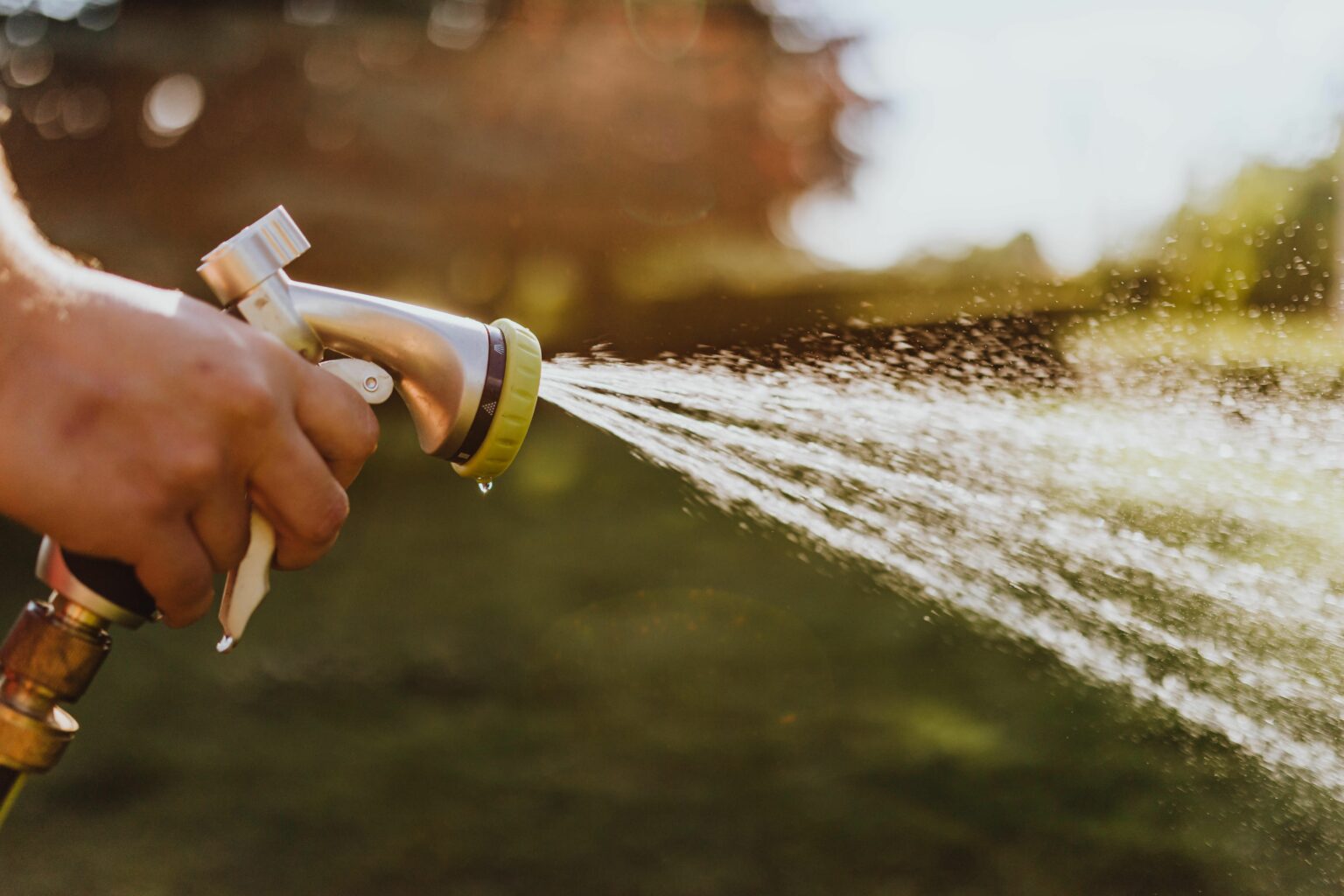
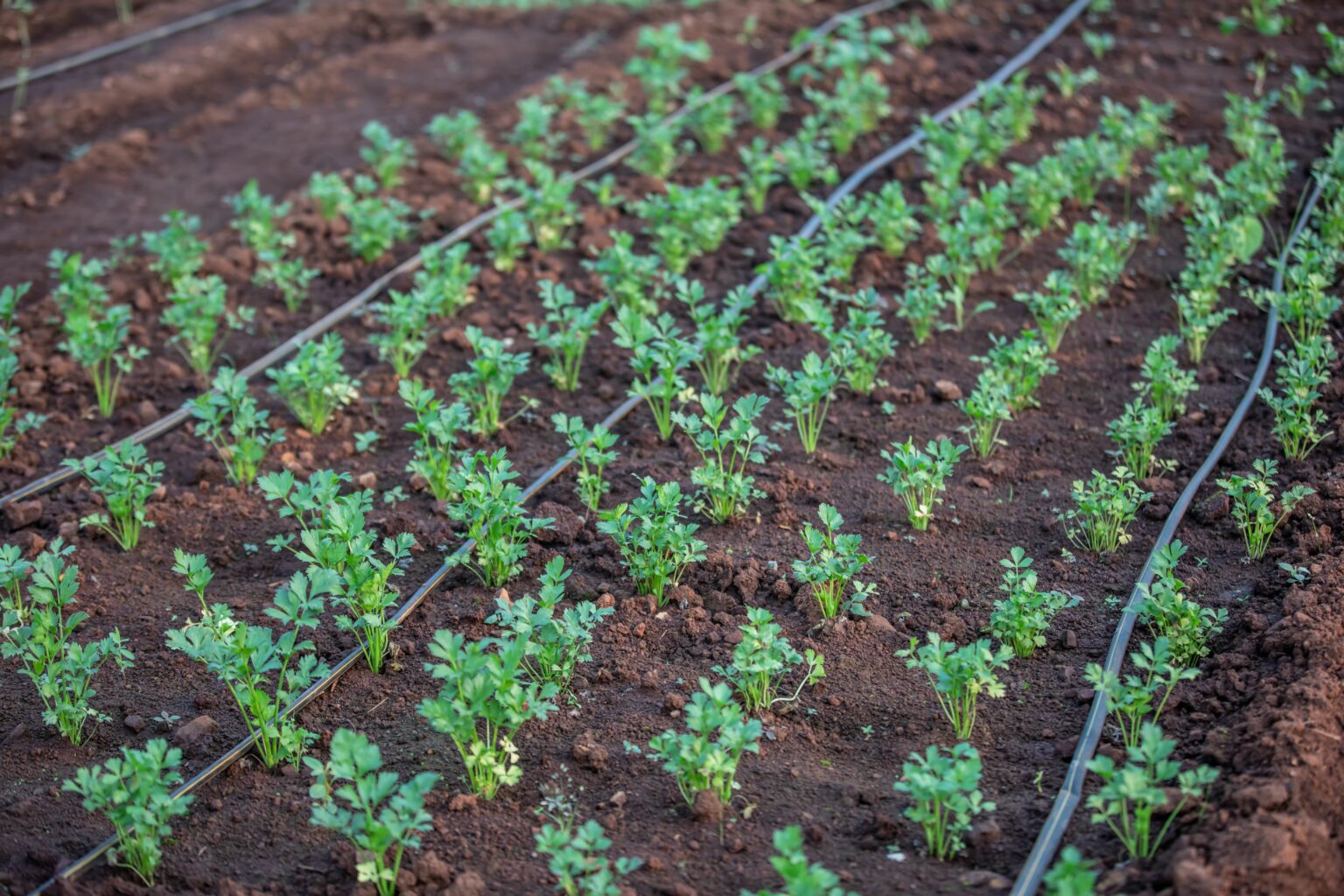
The soil needs to be moist to provide cooling for the plants, which happens through the evaporation of water from their leaves. So make sure to provide water through irrigation during those hot summer days. Do this at least twice a week.
Provide more water than you think necessary
Another way to protect plants from heat stress is by watering deeply. This should be done before the day reaches its peak temperatures. This also encourages plants to develop deeper roots.
Use shade cloth
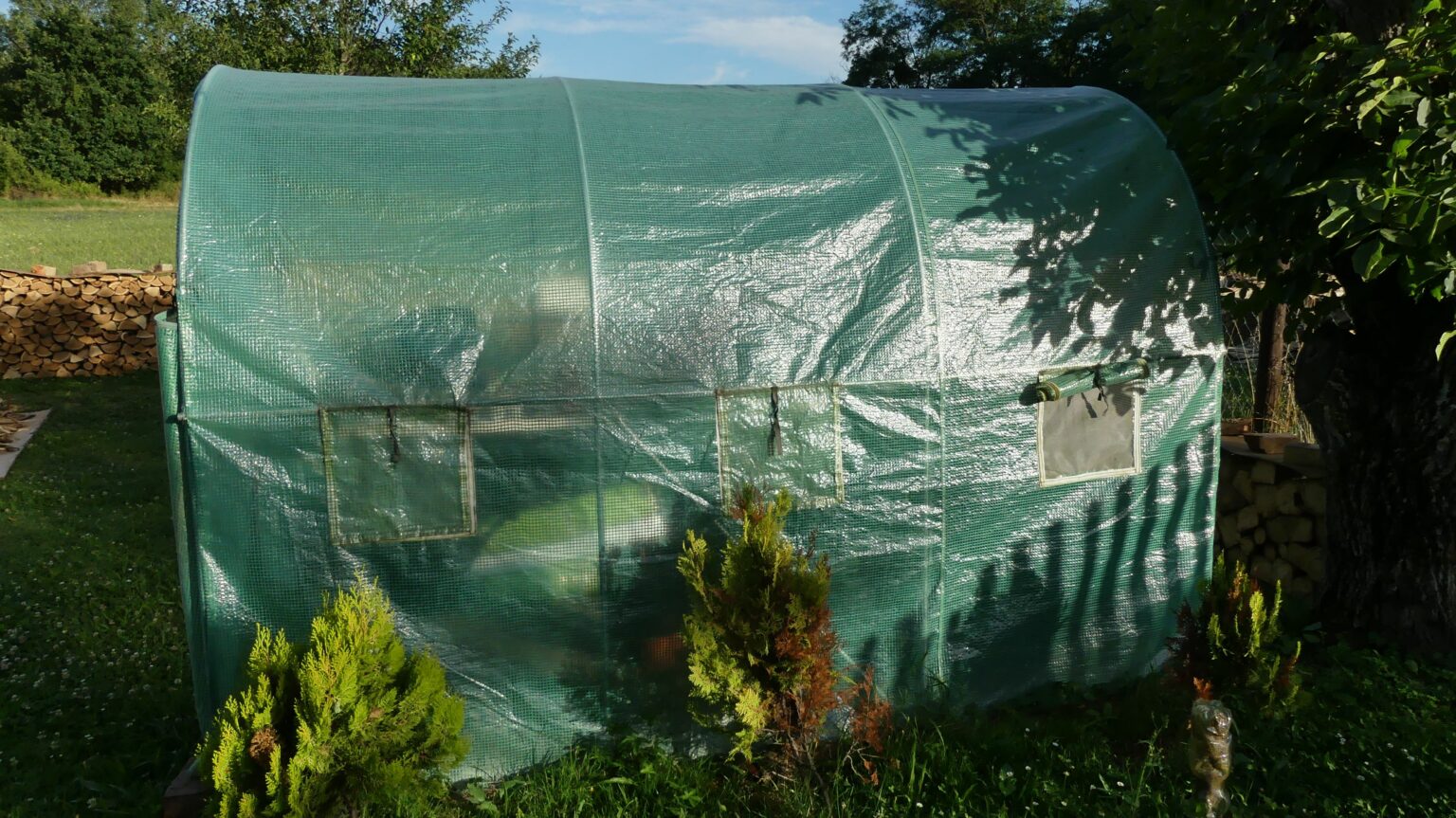
Shade cloth can be placed over the crops. It provides adequate cooling without blocking too much light for most vegetables. This provides relief from the extreme hot sun rays whilst still receiving the light required for the plants’ nutritional needs.
Add mulch
Mulch keeps the soil moist and is important for crops like tomatoes and lettuce, which are super sensitive to heat stress.
Also see: From garden to table: Making the most of your spring harvest
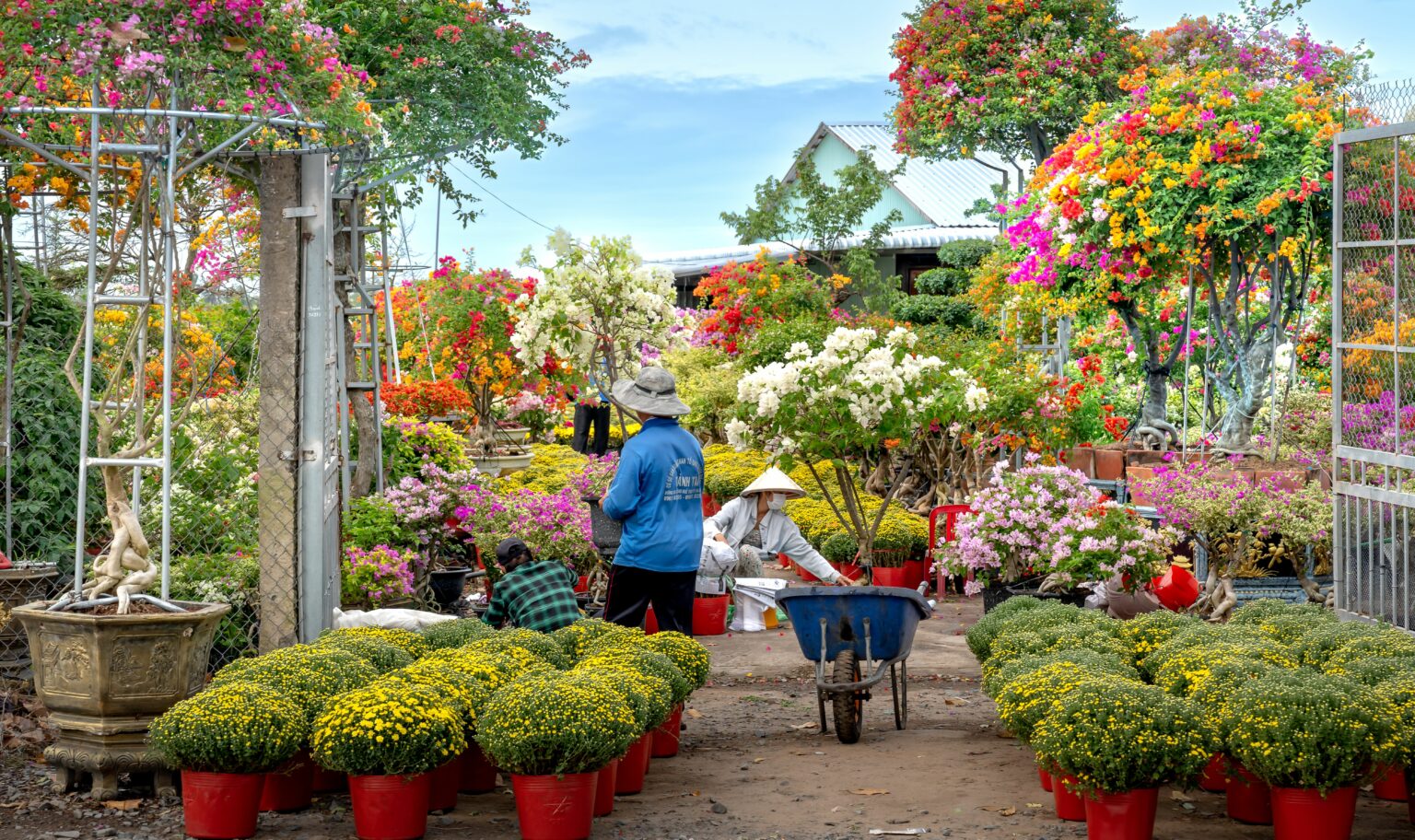
Flower gardens
A lot of what was suggested for the crops can be applied to a flower garden; however, two tips are unique to flower care.
Avoid fertiliser
According to bobvila.com, fertilisers promote new growth, which means new, delicate flowers. Mature, strong flowers are more likely to survive extreme heat than younger flowers.
Avoid stressing your plants
Avoid pruning, fertilising, and transplanting, as they cause added stress to plants. Under normal circumstances, plants can recover quickly, but during a heat wave, these activities add unnecessary stress that can put plant health at risk.
Featured image: Pexels/Kaboompics
Also see: Prep your garden for a fun family Easter egg hunt
Be the first to know – Join our WhatsApp channel for content worth tapping into. Click here to join!