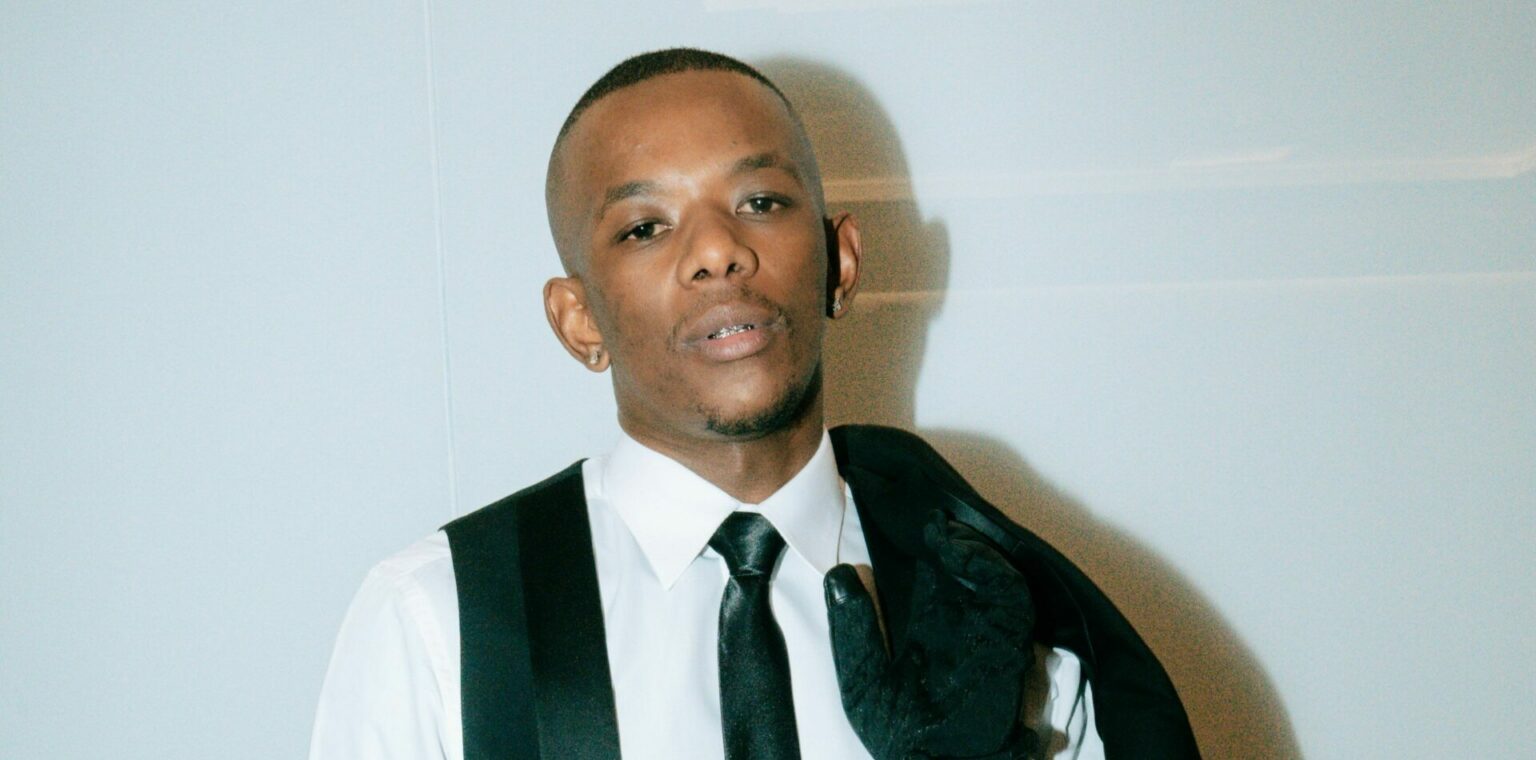
Will your vote fix potholes or keep the lights on? Political journalist Nono Booi unpacks the upcoming 2026 local elections and how to navigate the municipal chaos that awaits voters.
Also see: 5 Things to remember on Election Day
Will the water flowing from your tap be clean enough to drink? Will you dodge potholes on your commute to work, or find yourself stuck in traffic because the traffic lights are faulty, with your only reprieve being homeless people directing cars through intersections?
Will your refuse be collected regularly, or will your neighbourhood, like so many others, drown in litter? How much will your bus fare cost, and will you have access to safe, affordable, and reliable public transport? When load-reduction hits your township, will your municipality have backup power for essential services, or will you be left in the dark for hours on end?
These pressing issues, which fall squarely under municipal control, are what South Africans must grapple with as they head to the polls.

A new era
While many choose to distance themselves from the electoral process and stay away from the polls, there’s no escaping this reality: municipalities shape your daily experience more directly than any other level of government.
South Africa’s 254 municipalities collectively manage R1.3 trillion of taxpayer money directed at services that determine whether your community thrives or merely survives. Local government decisions ripple through every aspect of your life.
Yet, municipal elections consistently have the lowest voter turnout, with many citizens feeling disconnected from a system that wields the most power over their day-to-day lives.
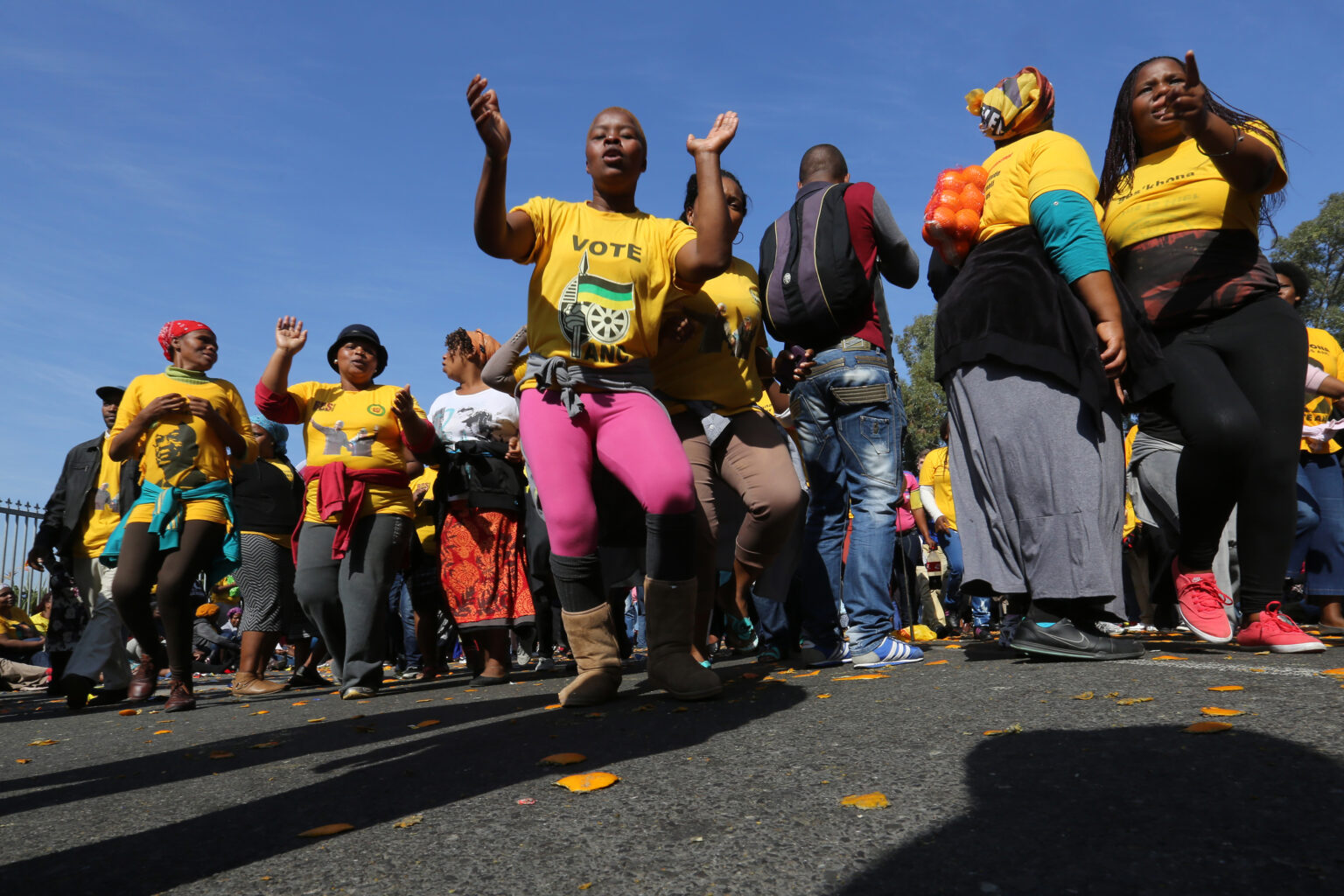
3 August 2016 was a sobering moment for the African National Congress (ANC), a liberation movement that, like most on the continent, had fallen into complacency.
The day delivered a harsh wake-up call when the party lost its majority in key metropolitan municipalities such as Johannesburg, Tshwane, and Ekurhuleni in Gauteng; Nelson Mandela Bay in the Eastern Cape; and was barely holding onto eThekwini in KwaZulu-Natal. For the first time in democratic South Africa, the ANC would not govern the country’s economic heartlands outright.
The election ushered in an era of coalition politics, with smaller parties rising as kingmakers amid one of the lowest voter turnouts in local government history. Although it didn’t win outright in most councils, the Democratic Alliance (DA) governed Johannesburg, Nelson Mandela Bay, and Tshwane through complex coalitions with unlikely allies and other smaller parties.
It was in those political arrangements that the party was accused of arrogance and bullheadedness. Coordinated pushback campaigns driven by disinformation about how services had become oppressive overnight from new opposition parties did the party no favours. Think City of Cape Town’s poo protests and what was later found to have been well-coordinated campaigns, which took advantage of an ill-informed resident who was desperate for an explanation for why there were no services in their neighbourhood.
The new norm
The 2021 municipal elections were even more chaotic. With voter turnout dropping to a dismal 46.8%, coalition governments became the norm rather than the exception. Political experts and seasoned politicians warned that South Africa had entered a new era: coalitions were here to stay, fundamentally changing how local government would function.
At the heart of coalition politics governing most major cities lies a dangerous vulnerability: councillors can remove speakers and mayors through motions of no confidence at a whim. Often, with little more than political opportunism driving their decisions.
This instability is starkly illustrated in the City of Johannesburg, where at least six different mayors have governed the metro since 2016, some lasting mere months before being ousted by shifting political alliances. The musical chairs at the top inevitably destabilise the entire municipal administration.
Officials often find themselves forced to choose sides, becoming politically aligned, an obvious distraction from focusing on service delivery. Critical decisions get delayed, budgets stall, and long-term planning becomes nearly impossible when leadership changes every few months. Infrastructure projects are abandoned, and investor confidence plummets.
Coalition regulation
Recognising this chaos, the ongoing review of the White Paper on Local Government has identified coalition regulation as an urgent priority.
The proposed legislation aims to bring stability to hung councils through several mechanisms: mandatory coalition agreements that must be registered with the Municipal Electoral Officer (MEC), cooling-off periods before motions of no confidence can be tabled, and clearer frameworks for power-sharing arrangements.
But even this piece of legislation is stalled in South Africa’s Parliamentary process.
Some of the proposals in the draft bill include securing consensus, coalition partners publicly declaring their agreements, establishing dispute-resolution mechanisms before councils can resort to votes of no confidence, and potentially extending mayoral terms to provide greater stability. The legislation also proposes stricter financial oversight during coalition negotiations to prevent corrupt horse trading that has plagued several municipalities.
Also see: Why voting matters: The power of your voice

New political reality
The national elections in 2024 were a historic turning point for South Africa. The ANC lost its parliamentary majority for the first time since democracy began in 1994, securing just over 40% of the vote, which was a dramatic decrease from 57.5% in 2019.
The decline was, as expected, due to corruption scandals, failing service delivery, unemployment, and economic inequality. The party that once was most considered a symbol of liberation has morphed into a contested political entity, forced to negotiate coalition agreements to maintain power. Going into the 2026 local government elections, the party faces the reality of being relegated to the opposition benches in several councils across the country.
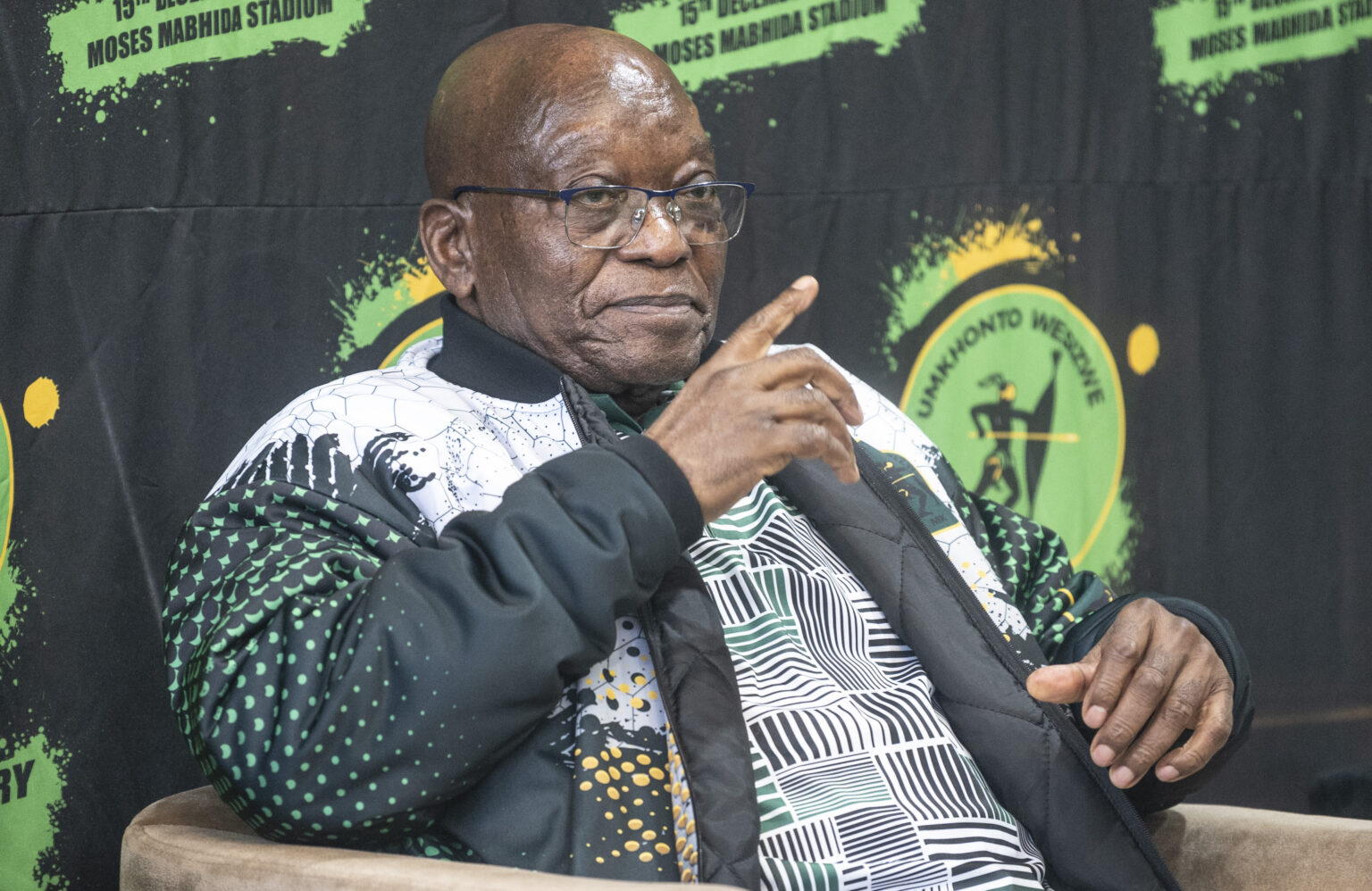
The emergence of Jacob Zuma’s uMkhonto we Sizwe (MK) party, which secured 58 parliamentary seats primarily by appealing to disillusioned ANC voters, further demonstrates not only how the liberation movement’s historical dominance has fractured but also how political power in South Africa is up for grabs and for anyone’s taking.
Since that election, the political landscape continues to shift; the DA is clinging to power in the City of Cape Town and surrounds, where Gayton McKenzie’s Patriotic Alliance (PA) is making inroads and targeting the rural coloured vote.
It is worth noting that this was the DA’s strategy when it took over control of the City of Cape Town under coalition control in 2009. Still, the second-largest party in SA struggles to grow beyond the borders of the Western Cape, especially in rural areas.
In KZN, where seismic shifts occurred as the MK Party took the majority of the vote, several local councils, including the Ethekwini metro, are all up for grabs. The IFP, though its relevance has been questioned on the national stage, holds a prominent stronghold in the province, where it partners with the DA, competes with both the ANC and, now, the MK Party, creating a complex three-way dynamic in an already volatile province.
The obvious fragmentation has further altered South African politics; however, building, compromise, and local accountability have become essential for governance.
Meanwhile, Julius Malema’s Economic Freedom Fighters (EFF), despite dropping to fourth place with 39 seats in 2024, has in the past positioned itself as a crucial kingmaker in the new coalition landscape, but its dwindling support and non-existent showing in by-
elections have raised both questions and concerns about the future of the 9% party. It is to be seen how the East London Court, which found Malema guilty of unlawful possession of a firearm, unlawful possession of ammunition and the discharge of a firearm, changes the trajectory of this troubled party.
The accountability trend
Political parties no longer enjoy a monopoly in the space. Voters have also chosen to lend their votes to community-based organisations, ratepayers associations, and independent candidates, signalling evolution in South Africa’s municipal politics.
The move also signals voters’ desire for more localised representation and accountability. This trend has been evident in municipal by-elections, where smaller parties and independents have gained ground by addressing specific community concerns that larger parties have neglected.
The Independent Electoral Commission (IEC) revealed in 2025 that no fewer than 405 political parties could contest the coming election, and this could be the longest ballot yet. With all these choices, some lesser-known than others, how do you choose a political party? As the election comes into full swing, parties will explore traditional and innovative ways to convince voters. You will receive calls and SMSes; you will be canvassed, and electioneering rallies and manifestos will overrun the news cycle.
The ballot paper
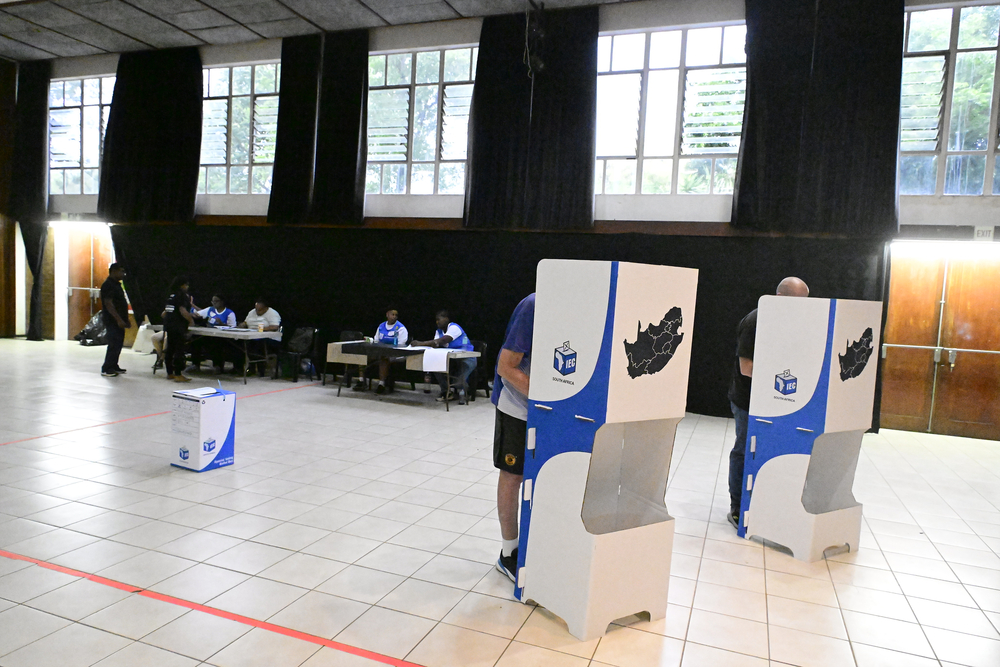
Walking into a voting station for the 2026 municipal elections will feel different from national elections. South Africans face a ballot system that’s both straightforward and surprisingly intricate. In big cities, you get two pieces of paper.
The first lets you pick your ward councillor: the person who’ll actually know your street name when potholes need fixing. The second determines which party runs the city overall, controlling budgets and major policy decisions.
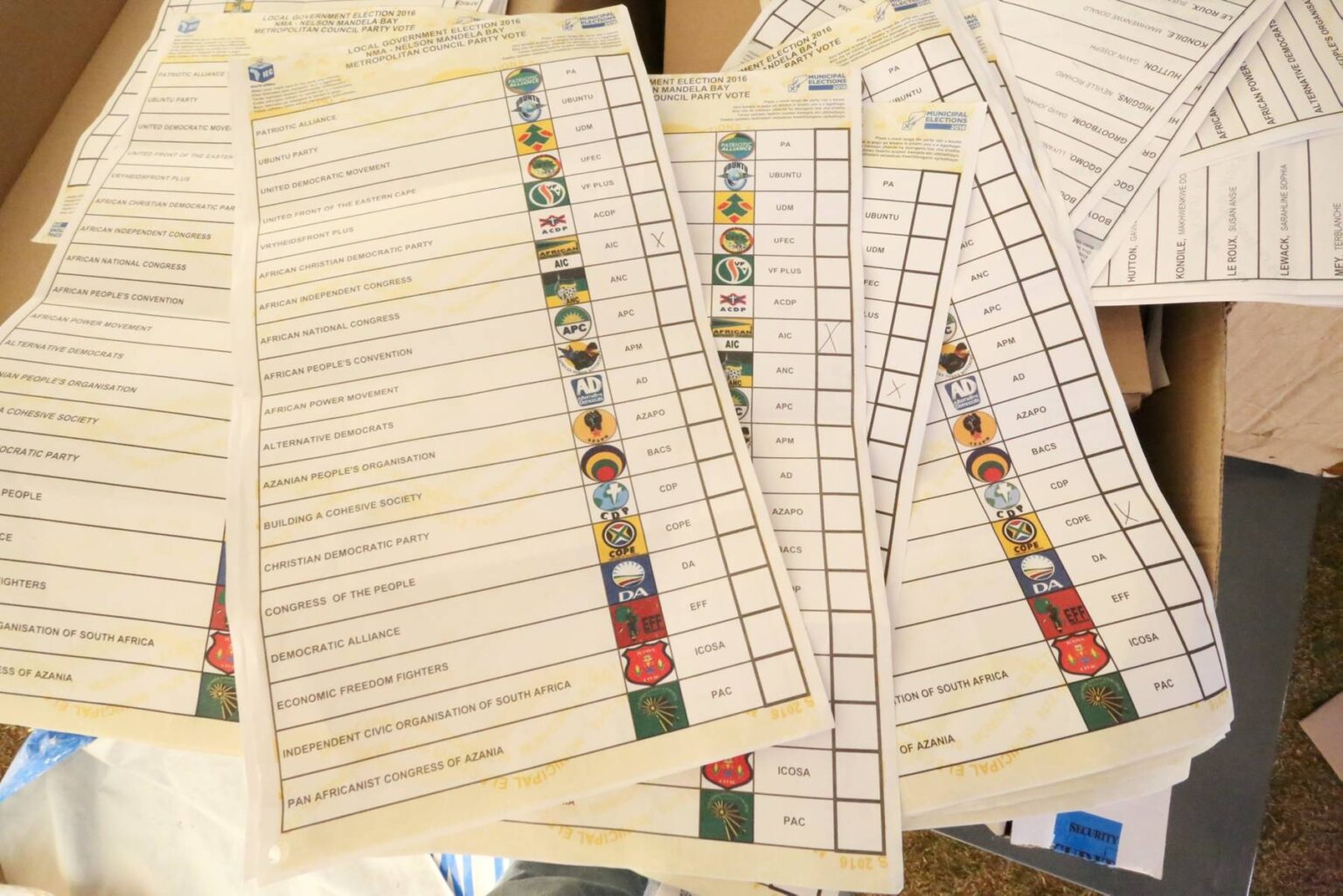
Rural voters, on the other hand, have it more complicated. Three ballots await them: ward candidate, local municipal party, and district council party. It sounds bureaucratic, but each vote matters for different reasons. Your ward choice affects who answers when the water stops flowing. Your municipal party vote shapes broader service delivery. The district ballot influences regional planning that connects your town to others.
The Electoral Commission has taken lessons from past elections. Ballot papers now feature large fonts and party leader photos. Braille numbering helps visually impaired voters navigate independently. These aren’t just technical improvements; they reflect lessons of what has worked and what has not from decades of democratic participation across diverse communities. The South African electoral system remains one of the smartest and most unique worldwide in how it balances competing needs.
You might have a soft spot for your local DA ward candidate but prefer ANC policies. Perhaps you may have placed your trust in an independent candidate, a neighbourhood watch, or a ratepayer’s association while supporting the EFF’s economic agenda provincially.
The mixed system accommodates these preferences rather than forcing false choices. Your councillor represents local interests while the overall council reflects broader political sentiment. It’s a democracy designed for South Africa’s complex realities, where party loyalty often clashes with practical service-delivery concerns. And the upcoming election will be no different.
Featured image: Supplied
Also see: SAPS outlines consequences of protests and marches on Election Day
Be the first to know – Join our WhatsApp channel for content worth tapping into. Click here to join!