
As global creative industries evolve through rapid digitalisation and technological transformation, traditional artisans and cultural practitioners face a pivotal shift.
Also see: THE ART OF THE PIVOT: NAVIGATING CAREER CHANGE IN YOUR 20S
Far from rendering legacy craftsmanship obsolete, modern creative sectors increasingly draw upon ancestral techniques, indigenous design philosophies, and specialised material knowledge.
Academic institutions, international development organisations, and cultural policy researchers highlight that translating heritage skills into contemporary creative professions, ranging from digital media design to sustainable luxury production, provides a viable model for economic resilience and cultural preservation.
The convergence of traditional craftsmanship and modern innovation
The process of translating heritage skills begins with identifying core competencies that remain relevant across modern production pipelines.
Research published by UNESCO and the United Nations Conference on Trade and Development (UNCTAD) emphasises that traditional art forms contain rich intellectual property, tactile mastery, and complex storytelling frameworks that enrich modern design ecosystems.
Rather than treating historical crafts solely as static museum artefacts, contemporary creative directors and digital artists are incorporating traditional patterns, textile structures, and ceramic techniques into game development, architectural visualisation, and high-end fashion design.
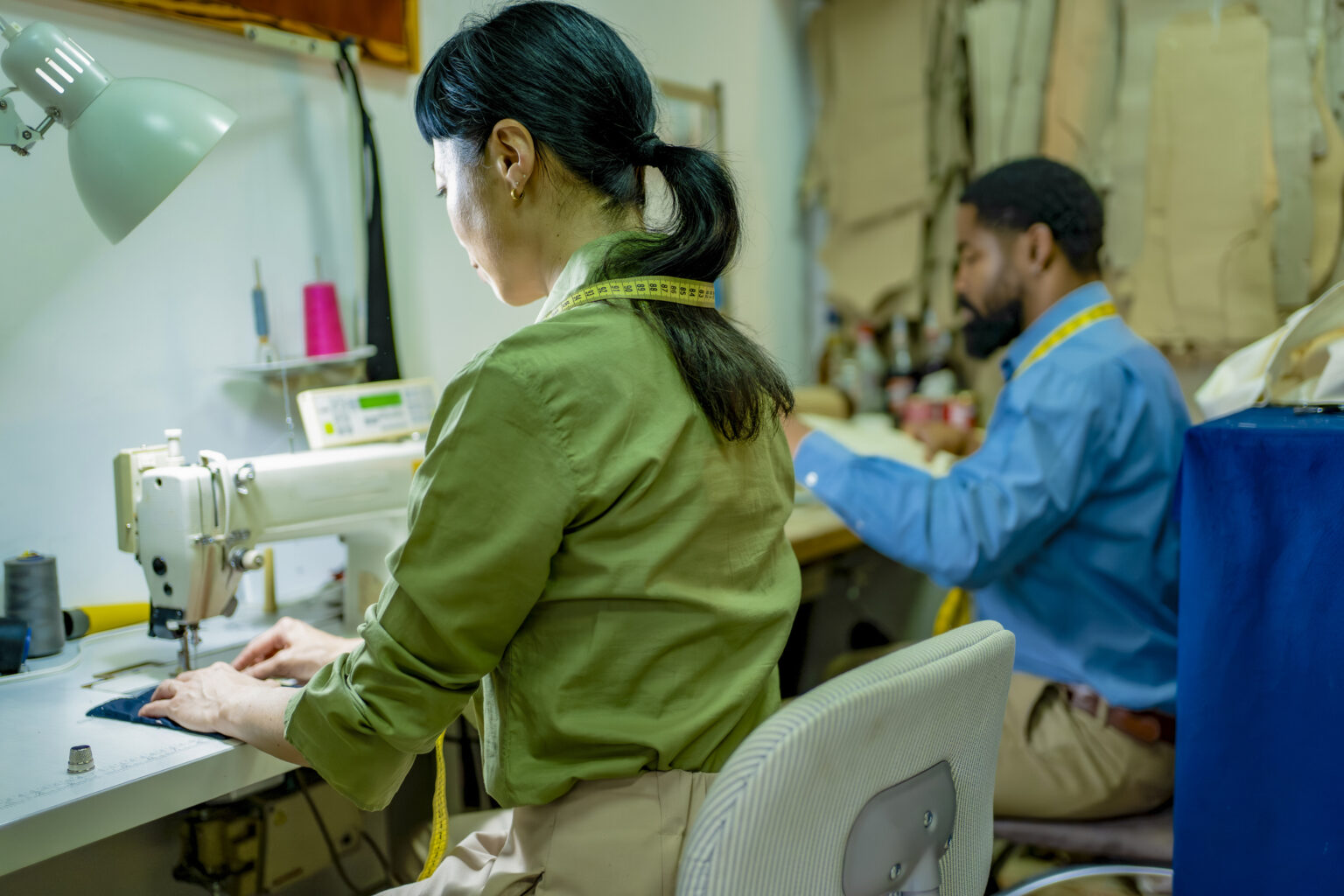
Academic studies on cultural labour dynamics indicate that hybrid career models, where artisans combine foundational craft knowledge with contemporary tools, allow creators to tap into higher-margin global markets.
For example, traditional textile weavers transitioning into industrial textile design bring an intuitive understanding of fibre mechanics and sustainable material sourcing.
Educational frameworks and upskilling models
Bridging the gap between legacy practices and modern creative careers requires structured upskilling pathways and interdisciplinary education.
Research from the UNESCO-UNEVOC International Centre for Technical and Vocational Education and Training demonstrates that effective transition strategies rely on combining traditional apprenticeship models with digital literacy and business management training.
Also see: FREE AND AFFORDABLE ONLINE COURSES TO HELP BOOST YOUR CAREER
Universities and cultural policy centres advocate for modular training programs that equip heritage artisans with essential business tools, including brand development, digital intellectual property management, and e-commerce distribution strategies.
Intergenerational knowledge exchange programs have proven particularly effective in fostering creative innovation. By pairing veteran heritage artisans with young digital creators, institutions create collaborative environments where technical craft mastery informs modern digital execution.
Economic impact and cultural sustainability

The economic benefits of re-integrating heritage skills into modern creative sectors are supported by extensive policy research. According to findings from Historic England and international cultural economy reports, creative hubs that leverage local heritage assets experience higher rates of business innovation, tourism engagement, and job creation.
In developing creative economies across Africa and Latin America, adapting indigenous crafting techniques for international design markets serves as an effective mechanism for youth employment and rural economic development.
Ultimately, the future of the creative economy relies on a balanced approach that respects historical lineage while embracing modern technology. By establishing clear vocational pipelines, protecting traditional intellectual property, and fostering cross-sector collaboration, the global creative industry can preserve intangible cultural heritage while driving continuous commercial innovation.
Also see: CAREER PATHS THAT DIDN’T EXIST A DECADE AGO
Be the first to know – Join our WhatsApp channel for content worth tapping into. Click here to join!