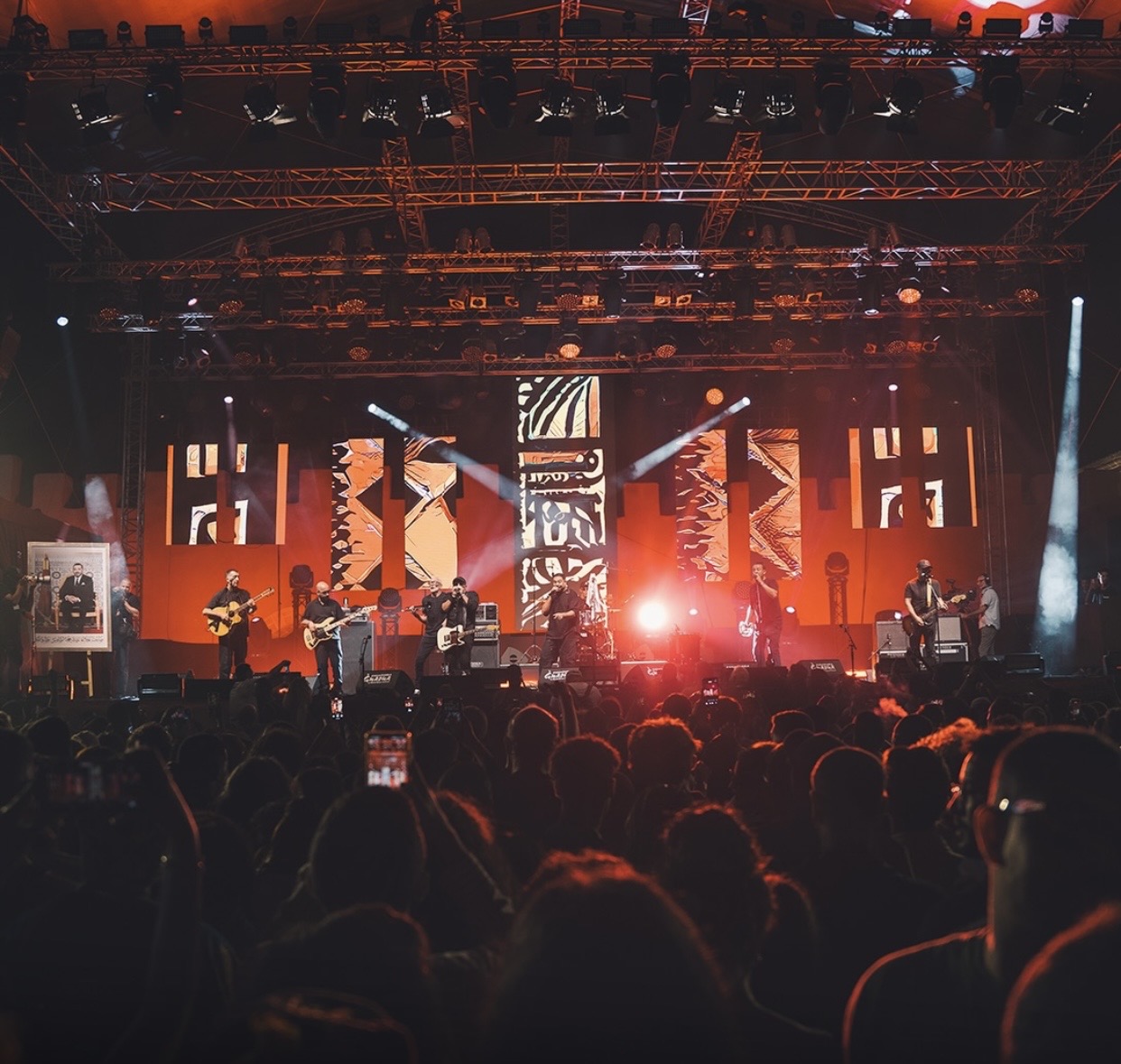
Across the African continent, festival culture has undergone a radical transformation over the past three decades. What once functioned primarily as localised community rituals and state-sponsored heritage celebrations has evolved into a multi-billion-rand creative economy ecosystem.
Also see: SCATTERLINGS MUSIC FESTIVAL BRINGS MANY TOGETHER IN SUCCESSFUL DEBUT
Driven by rapid urbanisation, digital global connectivity, and the global explosion of African music genres like Afrobeats and amapiano, modern African festivals now serve as critical hubs for intra-continental tourism, trade, and soft power.
Shifting beyond heritage to economic powerhouses
Cultural economists and academic researchers have increasingly documented this paradigm shift.
In his seminal studies on festival tourism and regional development, Dr Tembi Tichaawa, Associate Professor of Tourism at the University of Johannesburg (UJ), emphasises that African festivals are no longer peripheral cultural events, but key drivers of urban infrastructure investment and local employment.
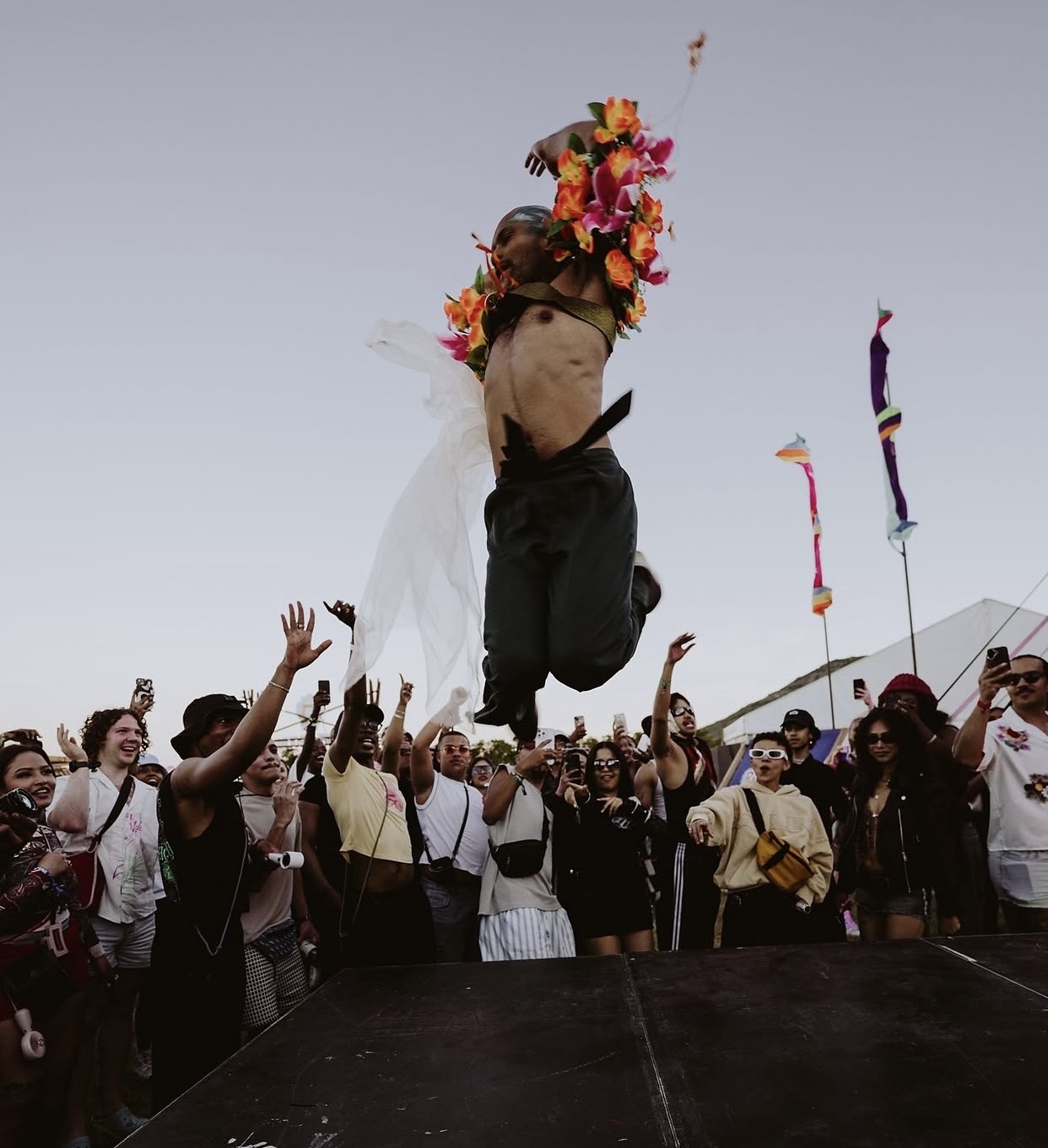
His research underscores how major gatherings generate significant direct expenditure in hospitality, transport, and informal retail sectors.
Similarly, research published by Dr Laurenz Kornfeld and colleagues in the South African Geographical Journal highlights how contemporary music and arts festivals in Southern Africa act as catalysts for spatial transformation.
Rather than relying solely on government subsidies, modern festivals rely on hybrid commercial models, combining private brand sponsorships, international ticket sales, and broadcast licensing, making them self-sustaining creative hubs.
Also see: AFFORDABLE WEEKEND GETAWAYS IN SOUTH AFRICA
Institutional perspectives and the global rise of festival tourism
Global and regional institutions are recognising the strategic value of this cultural shift. Reports from the United Nations World Tourism Organisation (UNWTO) and UNESCO’s The Creative Economy in Africa study show that cultural events represent one of the fastest-growing segments of African tourism.
Events such as Ghana’s Afrochella (now Afro Future), Nigeria’s Felabration, Uganda’s Nyege Nyege, and South Africa’s National Arts Festival in Makhanda draw tens of thousands of international visitors annually.
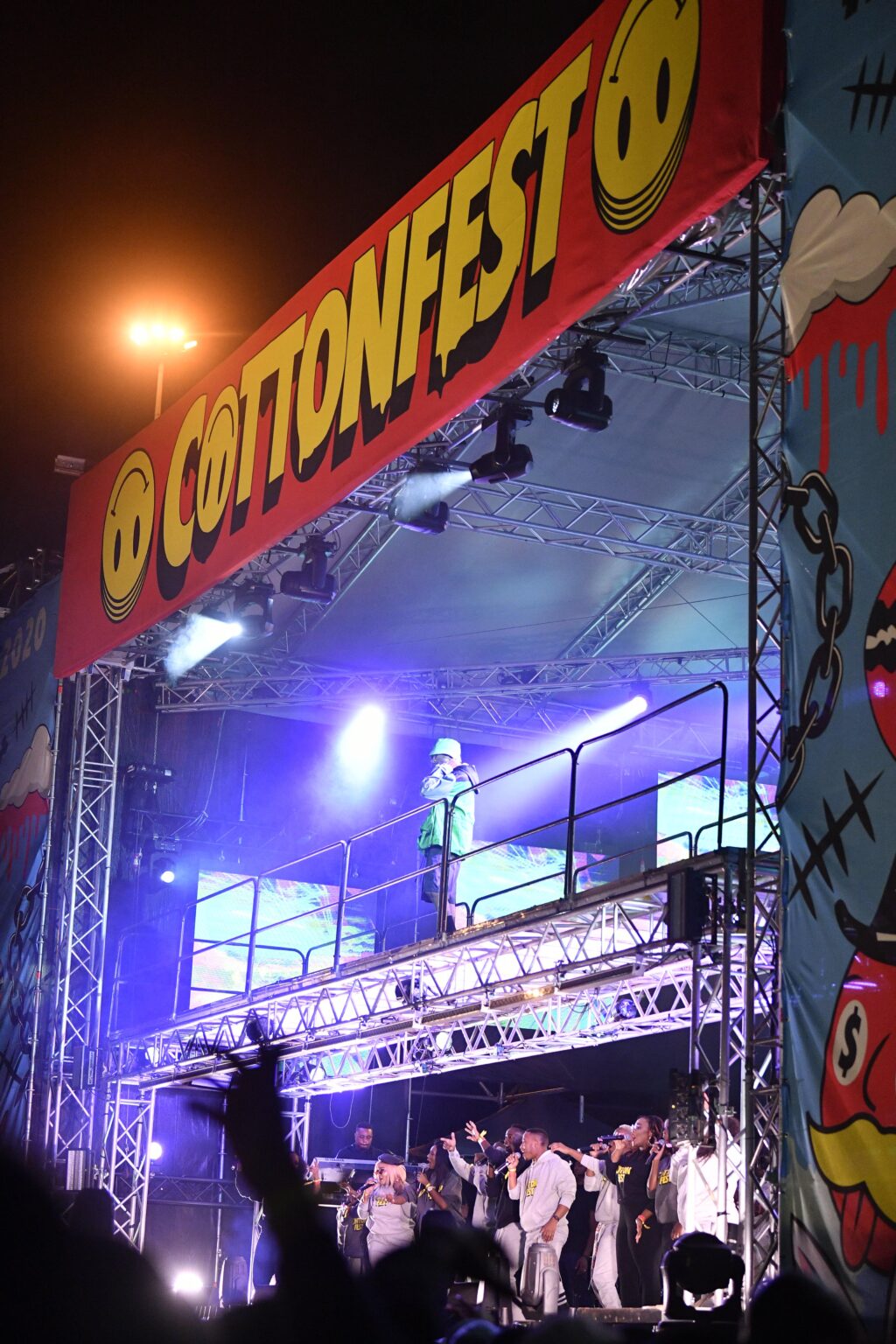
According to research by the African Export-Import Bank (Afreximbank) through its Creative Africa Nexus (CANEX) initiative, the harmonisation of regional festival circuits is vital for trade under the African Continental Free Trade Area (AfCFTA).
Institutional leaders argue that streamlined visa policies and improved intra-African air connectivity will allow festival-goers and creative professionals to move seamlessly across borders, solidifying Africa’s position as a global leader in live entertainment and cultural diplomacy.
Also see: UNFORGETTABLE CAPE TOWN EXPERIENCES TO ELEVATE YOUR SUMMER
Be the first to know – Join our WhatsApp channel for content worth tapping into. Click here to join!