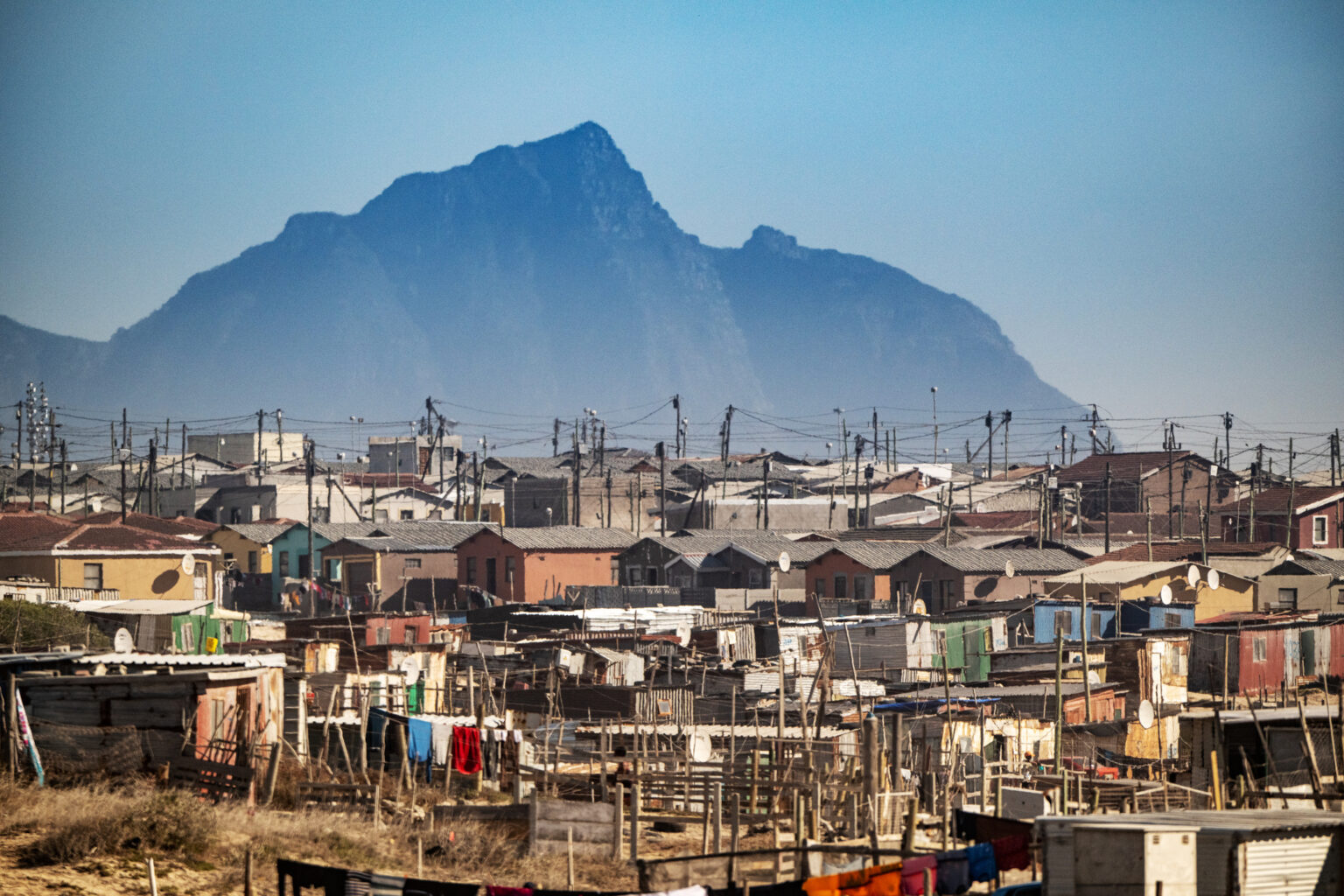
A viral social media discourse surrounding living conditions in Cape Town’s working-class townships has reignited a fierce national debate on internal migration, spatial inequality, and economic access in South Africa.
Online conversations on X have drawn sharp comparisons between urban settlement realities in the Western Cape, Gauteng, and KwaZulu-Natal, placing a spotlight on the factors driving rural-to-urban migration from the Eastern Cape into Cape Town’s informal settlements.
Economic necessity vs harsh urban realities
At the centre of the debate is the continuous migration of residents leaving economically depressed parts of the Eastern Cape in search of employment opportunities in the Mother City.
Despite facing severe challenges, including high violent crime rates, overcrowding, and extortion in areas like Khayelitsha and Delft, many migrants view moving to Cape Town as an economic necessity.
Defenders of Cape Town’s township infrastructure argue that these settlements still provide better access to basic municipal services, running water, electricity, and functional schools compared to neglected rural villages.
However, critics counter that high living costs and spatial segregation make Cape Town far less accessible for working-class youth than cities like Johannesburg or Durban, with some describing local informal settlements as stark symbols of systemic spatial inequality.
Also see: ‘OUR SOCIETY IS SLOWLY ROTTING’: SOL PHENDUKA SPEAKS ON SPRING DAY CHAOS
Uneven spatial development and the call for economic parity
Socio-economic researchers from the University of Cape Town (UCT) and the University of the Witwatersrand (Wits) emphasise that these migration patterns highlight South Africa’s stark spatial development divide.
With high unemployment pushing job seekers toward metropolitan hubs, major cities face immense pressure on housing, sanitation, and municipal resources.
As public debate intensifies over affordability and urban planning, social advocates argue that short-term urban migration must be met with long-term rural economic development.
Also see: SPRING DAY CELEBRATIONS FACE BACKLASH OVER TOWNSHIP WATER FIGHTS
Be the first to know – Join our WhatsApp channel for content worth tapping into. Click here to join!