The fridge might seem like the safest place for almost everything in your kitchen, but some foods actually fare better outside it.
Also see: The part of your fridge you’re (probably) using wrong
From everyday fruit and vegetables to bread, coffee and even chocolate, refrigeration can affect how certain foods taste, ripen and feel.
Knowing what belongs in the fridge — and what doesn’t — can also help you make better use of your kitchen storage and avoid food going to waste.
Not all fruit enjoys the cold
Some fruits continue to ripen after they have been picked. Keeping them in the fridge can interfere with that process and affect their flavour and texture, notes FridgeluX.
Bananas, unripe avocados, tomatoes, mangoes, pineapples, papayas and passion fruit are among the foods that are better kept at room temperature. Bananas, in particular, can develop dark skin quickly in cold conditions. Unripe avocados may also struggle to ripen properly.
A dry, well-ventilated spot at room temperature is recommended instead.
Keep these vegetables out of the cold
Your fridge isn’t necessarily the best home for every vegetable either.
Potatoes, onions, garlic, shallots, squash and sweet potatoes are all included on the list of foods that should be stored outside the fridge.
Potatoes are a particular example. According to FridgeluX, cold temperatures can cause the starch in potatoes to turn into sugar, which can affect their taste and texture when cooked.
Moisture inside the refrigerator can also contribute to sprouting and mould.
Your bread may be better off on the counter
Putting a loaf of bread in the fridge may seem like a good way to keep it fresh, but the cold can actually speed up staling. As the starch structure changes, bread can become harder and lose its softness.
For everyday storage, FridgeluX recommends keeping bread at room temperature, wrapped in a clean tea towel or stored in a bread tin.
Coffee and tea can lose their character
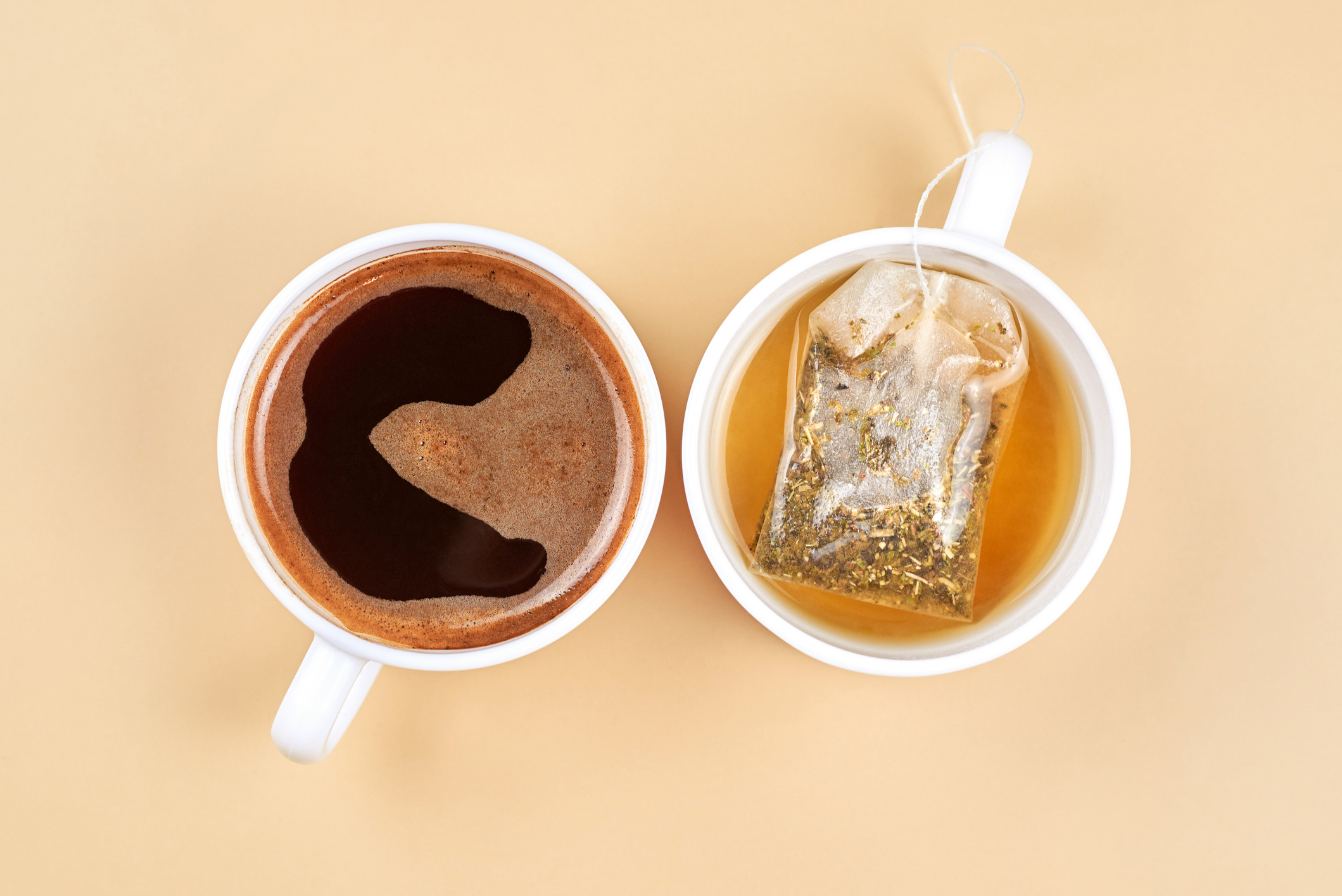
Your morning coffee may also be better off away from the fridge.
Coffee readily picks up surrounding smells, and a refrigerator is packed with foods and aromas. Cold and moisture can also affect its flavour and aroma. Tea can absorb moisture too, which may reduce its aromatic qualities.
A cool, dry cupboard is therefore a better option for these pantry staples.
Also see: The foods you should never store together in the fridge – and why
Don’t be surprised by white chocolate
If you’ve ever taken chocolate out of the fridge and noticed a pale or whitish coating on the surface, it may have developed what is known as ‘bloom.’
This happens when fats or sugar move towards the surface because of temperature and humidity changes. The effect isn’t considered dangerous, but it can change the chocolate’s texture and flavour.
Honey doesn’t need refrigeration
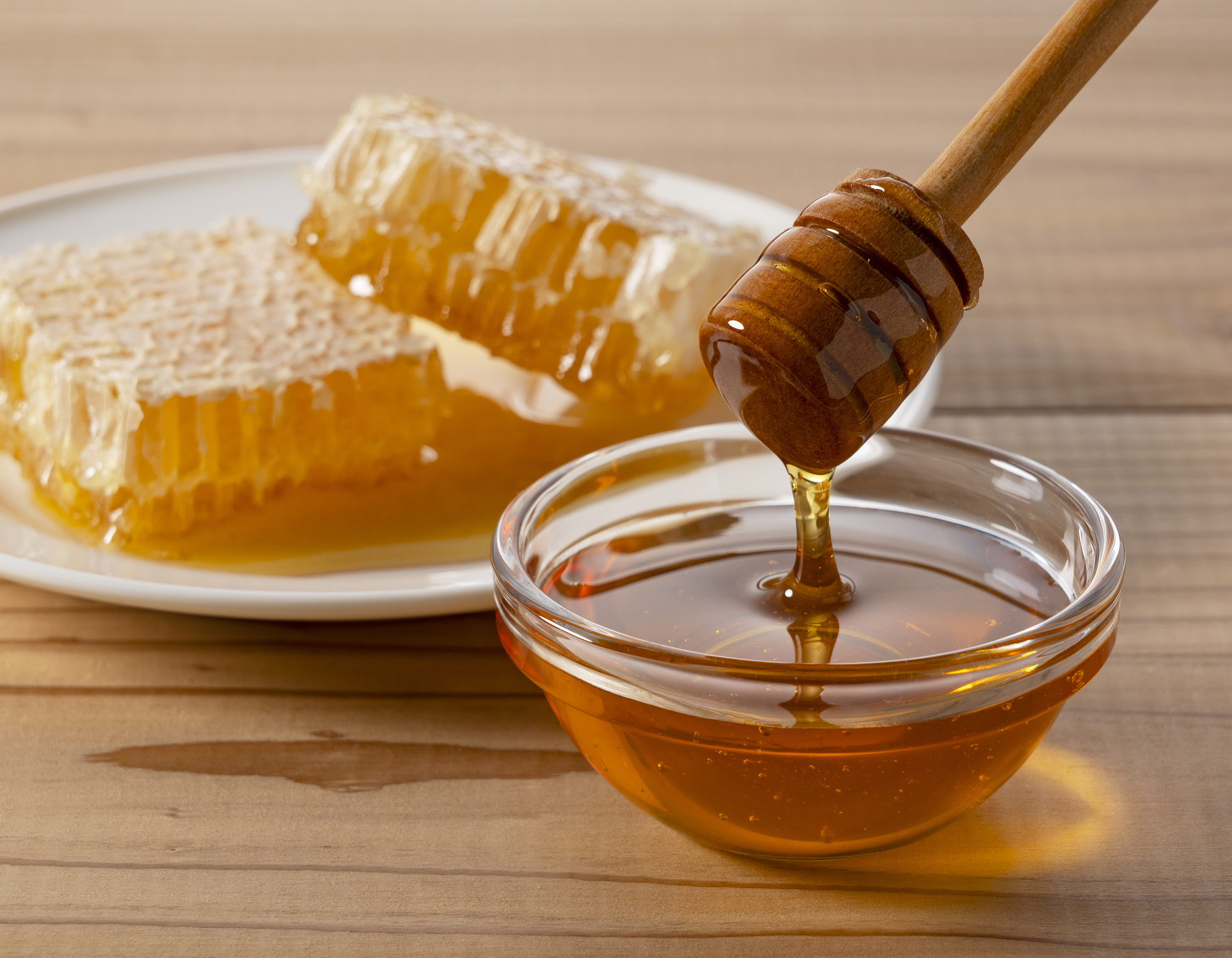
Honey is naturally stable and can last for a very long time.
Keeping it in the fridge, however, can speed up crystallisation, making it thicker and harder to use. FridgeluX recommends keeping honey at room temperature and away from direct light.
Oils belong in the cupboard
Olive oil, rapeseed oil and sunflower oil can become cloudy and thick when exposed to cold temperatures.
Refrigerating them doesn’t offer an advantage for their texture, so they are better kept in a cupboard away from excessive heat and light.
What about sauces and eggs?
Some commercially produced sauces, including tomato sauce, mustard, soy sauce and industrial mayonnaise, contain ingredients such as salt, sugar or preservatives that help them remain stable at room temperature after opening.
However, storage instructions can vary, so the manufacturer’s guidance should be followed.
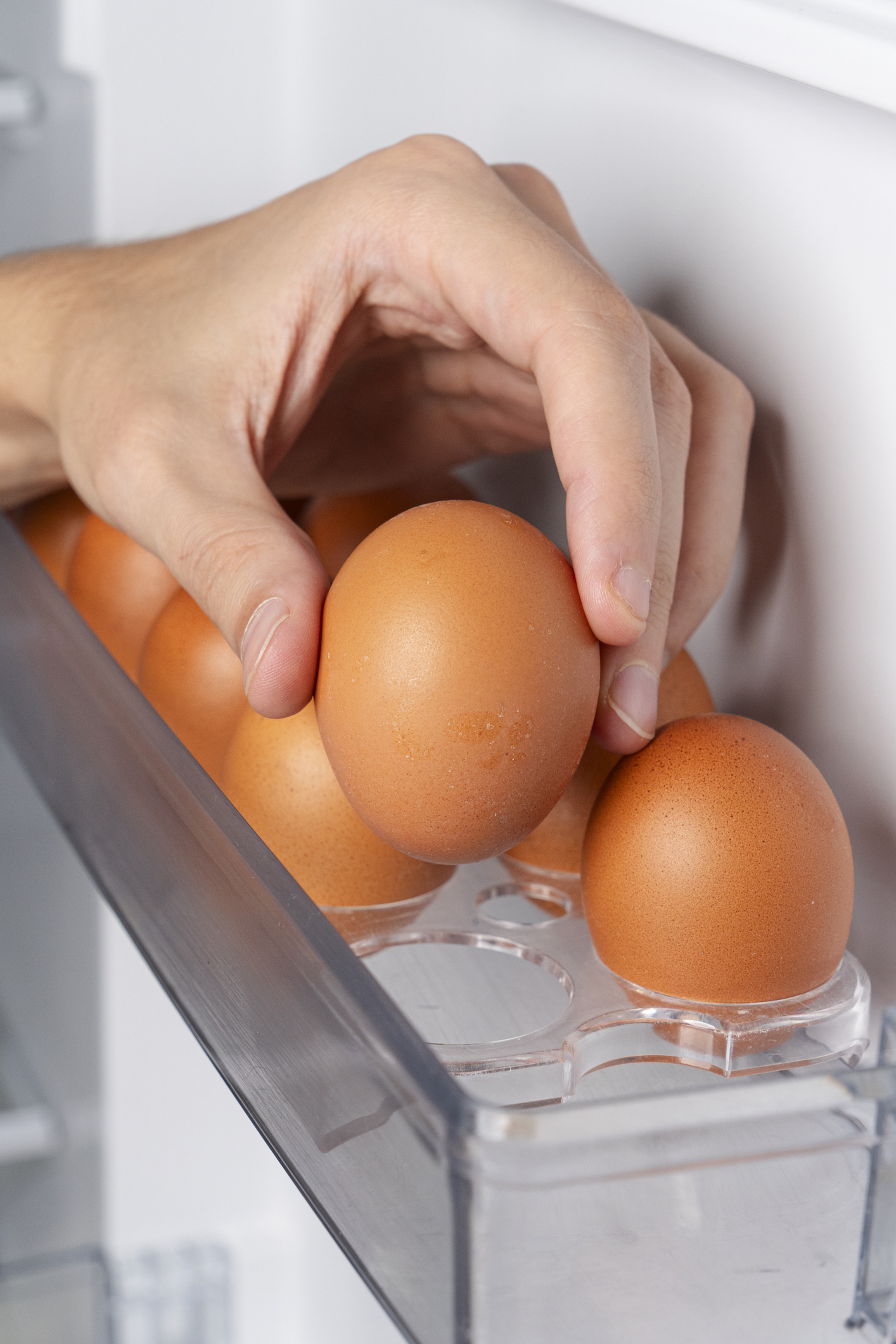
Egg storage is also influenced by temperature consistency. FridgeluX notes that moving eggs between different temperatures can create condensation on the shell, potentially making it easier for bacteria to enter.
The key point is not simply that eggs must always be kept cold, but that a stable storage temperature matters.
A simple kitchen rule
The fridge isn’t automatically the answer for every food in your kitchen.
Some foods need refrigeration, while others are better suited to a cool, dry cupboard or room-temperature storage. Understanding the difference can help protect flavour and texture while making your groceries last as well as possible.
Also see: How often should you clean your fridge?
Be the first to know – Join our WhatsApp channel for content worth tapping into. Click here to join!