
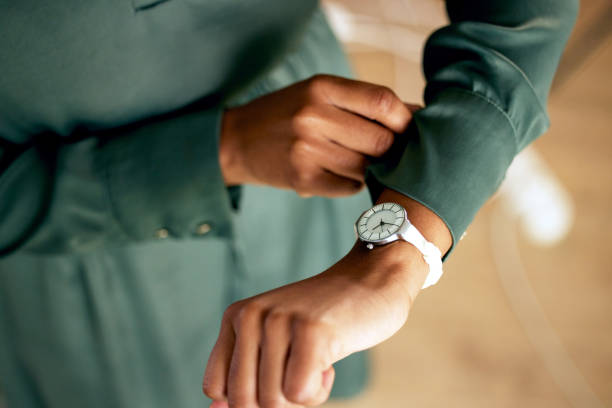
Being five or 10 minutes late may seem harmless, but when it becomes a pattern, the consequences can extend beyond a missed coffee order or a rushed meeting.
Also see: The ultimate guide to time management for career success
As reported by Fox News, chronic lateness can affect relationships, reputation and even how others perceive your respect for their time.
Why lateness can feel personal
For the person waiting, repeated lateness can create frustration and resentment. They may feel that their plans, commitments or time are less important to you.
According to Psychology Today, in friendships and relationships, this can gradually erode trust — particularly when apologies are followed by the same behaviour.
The hidden cost of ‘just 5 minutes’
Everyone is familiar with the realities of traffic, load shedding, last-minute family demands and unpredictable travel times. Genuine delays happen. The problem arises when lateness becomes predictable rather than exceptional.
Repeatedly arriving late can also put other people under pressure. A friend may miss a booking, or a family member may spend valuable time waiting.
Also see: Unlock success with the power of time management
How to break the habit
Start by working backwards from your actual arrival time. According to The Guardian, it is important to be realistic. If Google Maps says a journey takes 30 minutes, allow additional time for parking, walking and unexpected delays. Set a ‘leave now’ alarm rather than an alarm for when you should start getting ready.
Most importantly, communicate early when you know you will be late. A realistic message — rather than a vague ‘almost there’ — allows others to adjust their plans.
Being punctual isn’t about perfection. It is a simple way of showing consideration, reliability and respect for other people’s time.
Also see: Effective ways to protect your time without feeling rude
Be the first to know – Join our WhatsApp channel for content worth tapping into. Click here to join!