

The human brain evolved to process real-world sensory inputs, but modern digital environments rely on engineered feedback loops.
Also see: How to break the morning doomscrolling habit
According to research led by Dr Gloria Mark, an informatics professor at the University of California, Irvine, the average attention span on any given digital screen dropped from 2.5 minutes in 2004 to roughly 47 seconds.
Infinite scrolling feeds leverage ‘variable reward schedules, the same psychological mechanism that powers slot machines. Every swipe creates an unpredictable dopamine peak, conditioning the brain to expect constant novelty. Over time, this alters executive functioning, making sustained focus on low-stimulation tasks feel unnaturally difficult.
‘Brain wealth’ refers to cognitive reserve, neural plasticity, and sustained attentional capacity. Rebuilding these faculties requires intentional structural changes to how we engage with technology.
Eliminate the ‘brain drain’ of passive proximity
Research published by Dr Adrian Ward and his colleagues at the University of Texas at Austin demonstrated the ‘brain drain’ effect: the mere physical presence of a smartphone reduces available cognitive capacity, even when turned face-down or powered off. The brain constantly exerts subconscious energy to suppress the urge to check the device.
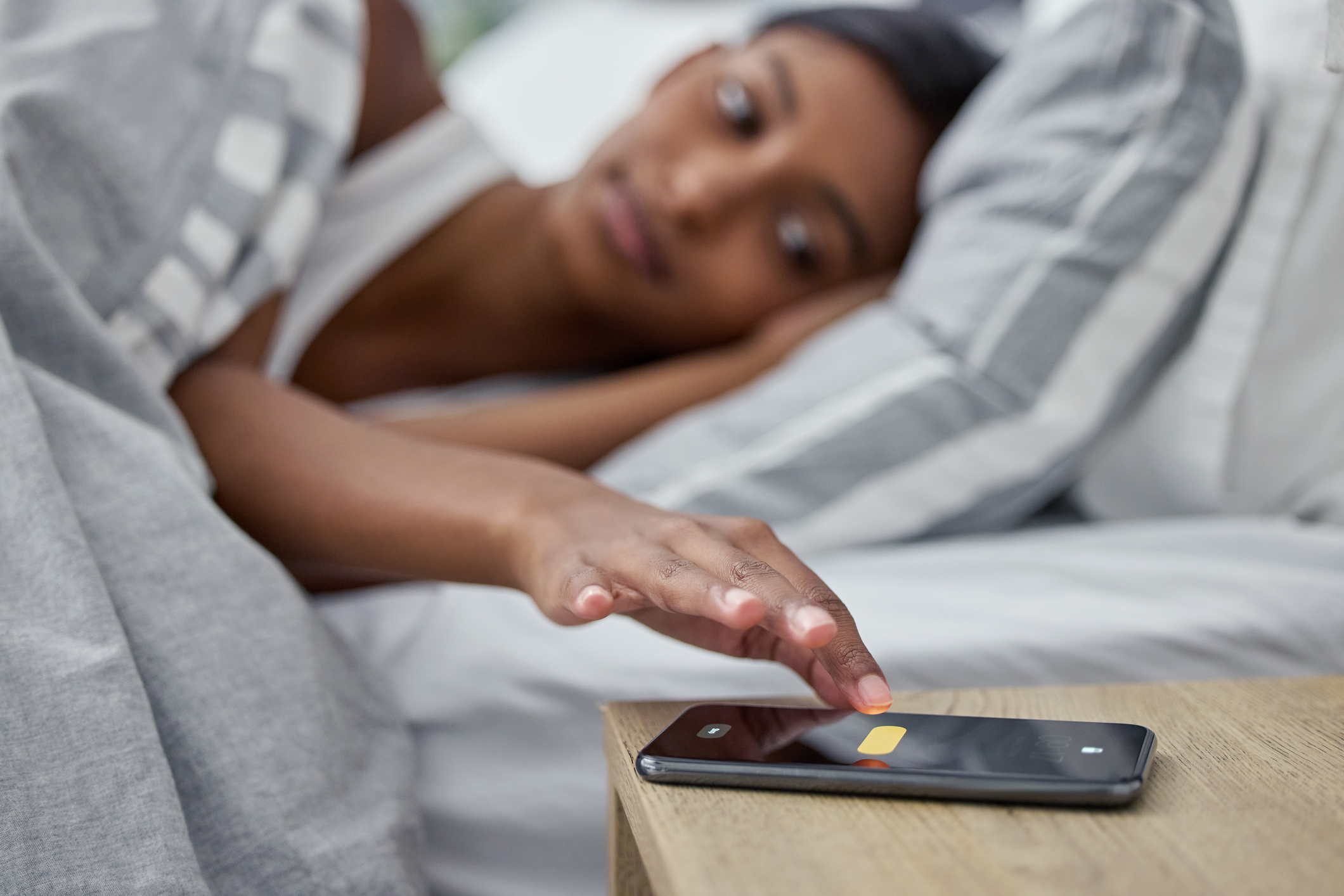
The fix: Create physical separation during focus blocks. Place your phone in another room or out of line-of-sight during deep work. Removing the visual trigger frees up executive processing resources.
Implement the ‘grayscaling’ visual nudge
Social media platforms deploy high-saturation warm colours, particularly red notification badges, to trigger micro-dopamine responses that invite tapping.
The fix: Convert your display to grayscale (available under Accessibility settings on iOS and Android). Digital well-being research shows that switching smartphone displays to black-and-white reduces average daily usage by stripping away artificial visual rewards.
Also see: Staying updated vs doomscrolling: Tips to help you find a balance
Practice interval focus monitoring
Neuropsychologists from Harvard-affiliated Brigham and Women’s Hospital note that attention functions like a muscle that degrades under continuous, unstructured stimulation, but strengthens through active monitoring.
The fix: Use Dr Kim Willment’s focus monitoring protocol. Set a quiet timer to chime every five or 10 minutes while reading a long-form article or physical book. Each time it goes off, quickly ask yourself, “Has my mind wandered?” If it has, gently redirect focus back to the text. This strengthens the prefrontal cortex’s self-monitoring loop.
Restore the brain’s Default Mode Network (DMN)
The Default Mode Network is a set of interacting brain regions that activate when a person is not focused on the outside world. It is crucial for creative synthesis, memory consolidation, and deep problem-solving. Constantly filling micro-moments of downtime (e.g., waiting in line, sitting in traffic) with scrolling deprives the DMN of the processing windows it needs.
The fix: Introduce ‘unstimulated transition periods.’ Practice spending brief everyday moments, walking to a meeting, making coffee, or waiting for an elevator, without pulling out a screen. Allowing the mind to wander without structured digital input resets attentional bandwidth.
Protect sleep architecture to clear cognitive waste
Compulsive evening scrolling disrupts circadian rhythms through both blue light exposure and psychological hyperarousal. Sleep researchers at Harvard Medical School point out that during deep sleep cycles, the brain’s glymphatic system flushes metabolic waste accumulated during waking hours.
Chronic sleep deprivation directly degrades attentional control and executive decision-making the following day.
The fix: Establish an ‘analogue wind-down’ rule 60 minutes before bed. Swap out screens for physical print material, light stretching, or journal writing. Keeping charging cables outside the bedroom prevents instinctive morning and late-night scrolling.
Also see: Discover the top lifestyle change trends for wellness in 2026
Be the first to know – Join our WhatsApp channel for content worth tapping into. Click here to join!