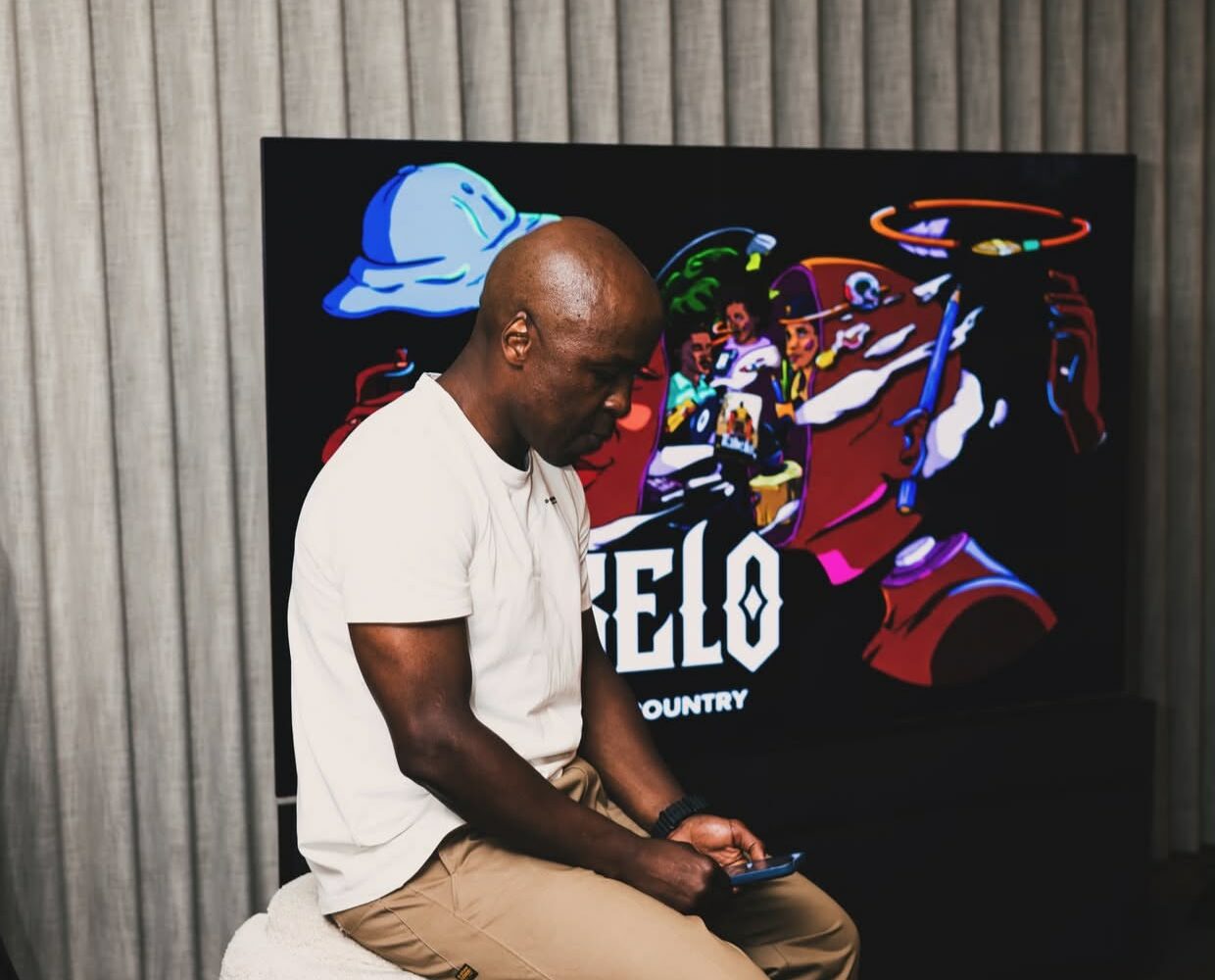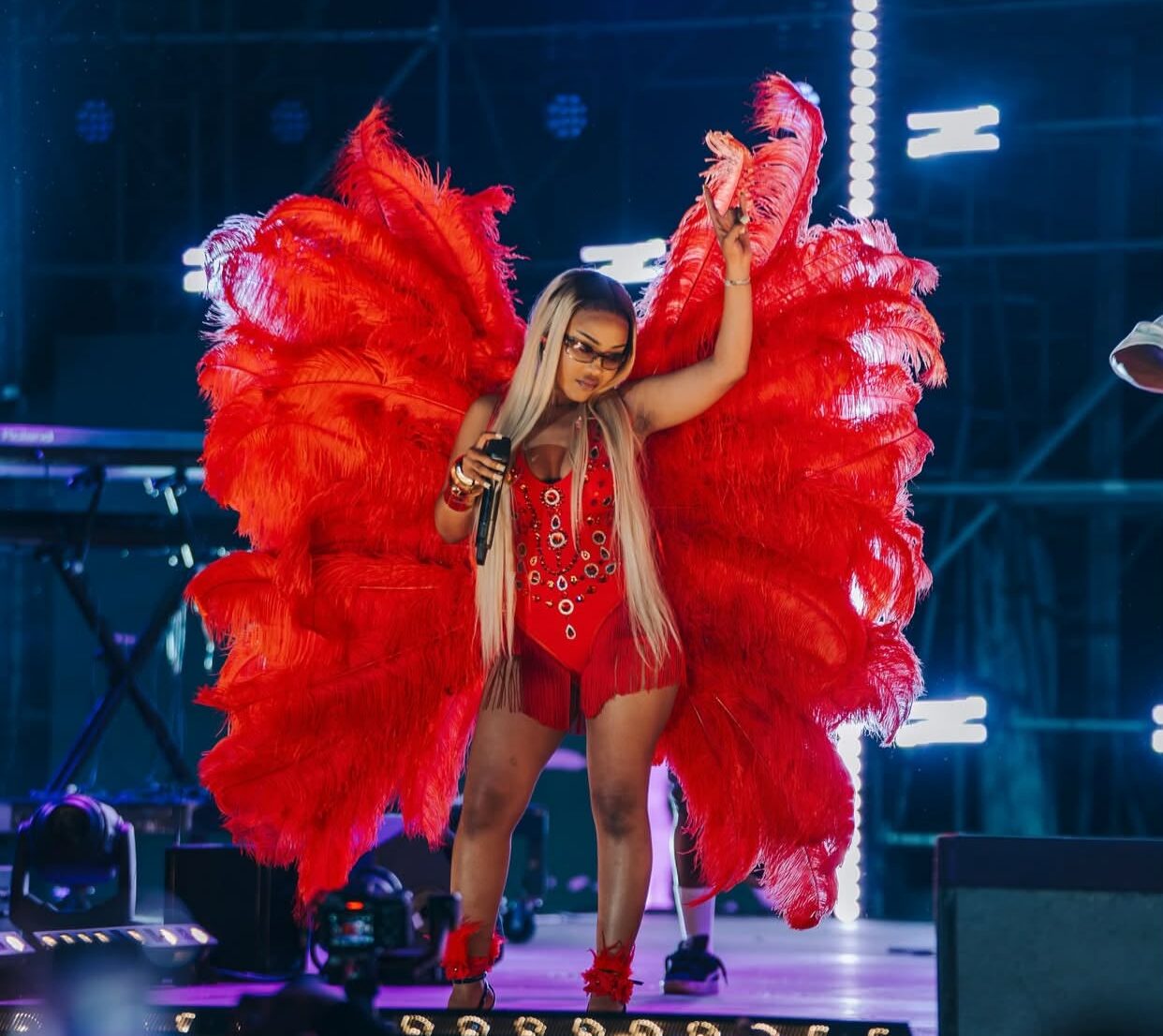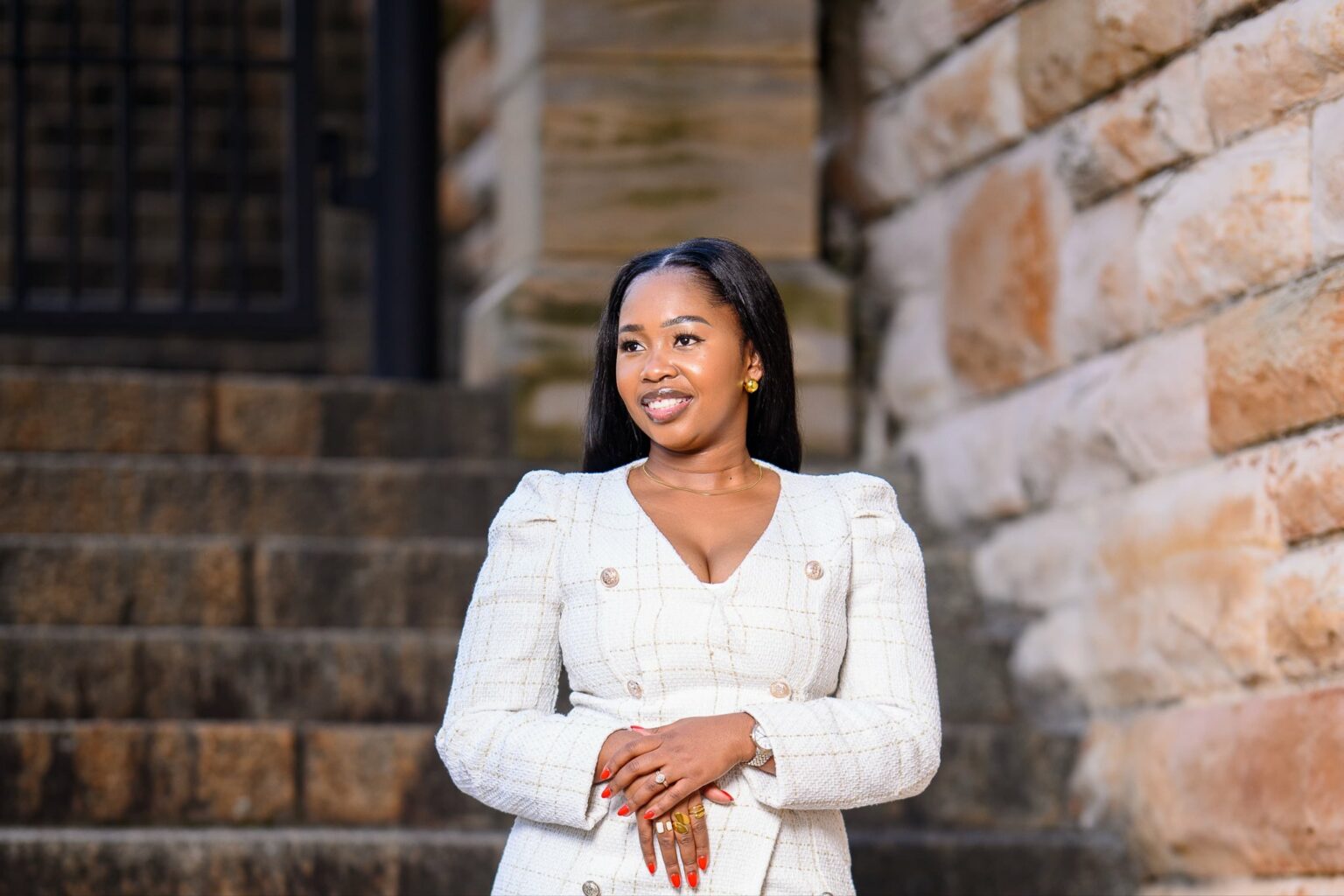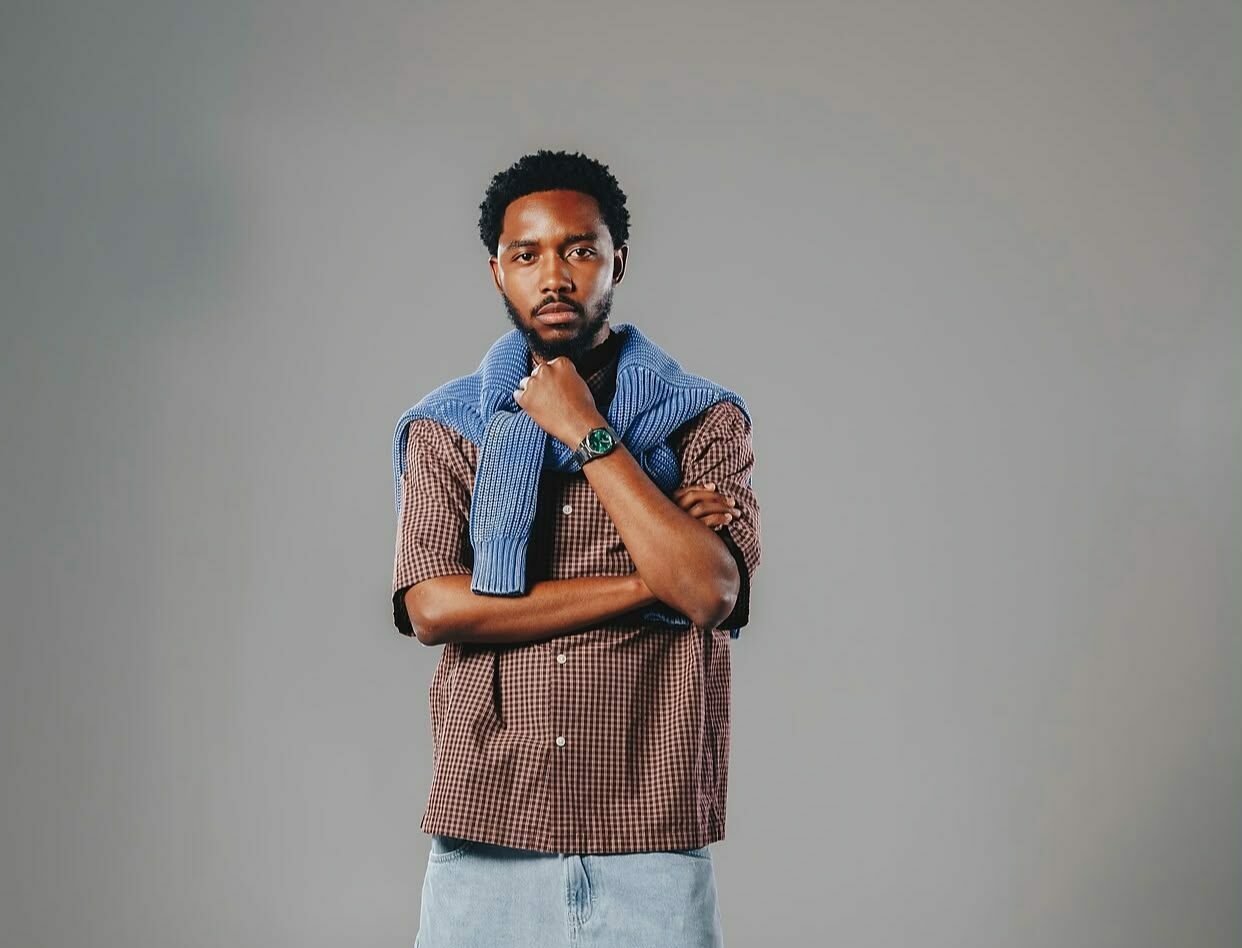
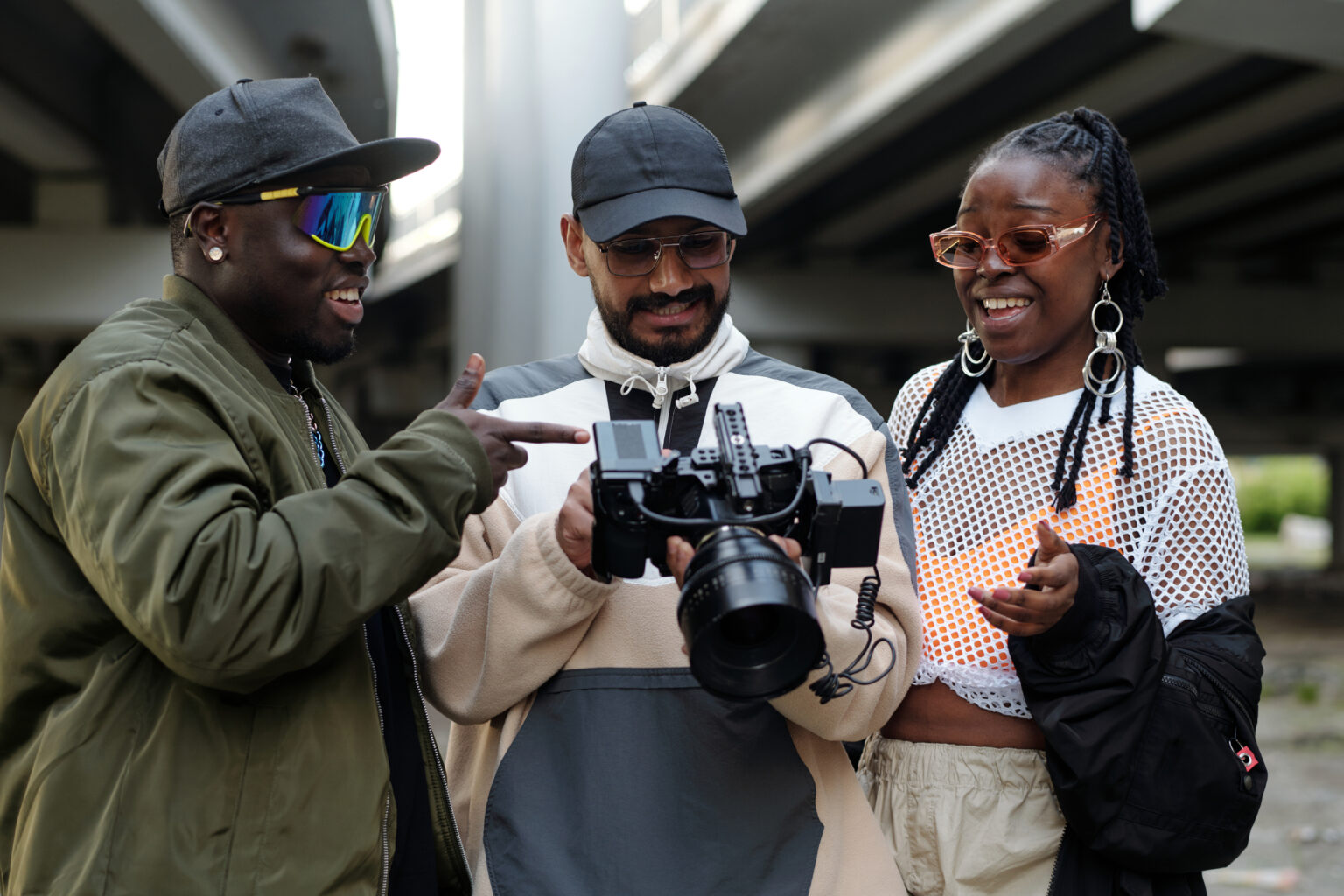
Across South Africa, a fundamental shift is underway in how young professionals view employment, income, and career longevity.
Also see: HotShotAaron and NPS Streamers pave the way for Mzansi’s next-gen creators
The traditional 08:00 to 17:00 office routine is no longer the sole pathway to financial independence, as a growing wave of digital creators leverages social platforms to build viable, full-scale enterprises.
From lifestyle vloggers and niche podcasters to micro-influencers and tech reviewers, South Africa’s creator economy has evolved from a passion-driven side hustle into a dynamic economic sector.
Moving beyond the traditional 08:00-to-17:00 setup
For decades, career progression in South Africa followed a predictable trajectory: tertiary education, corporate entry-level placement, and decades of structured climbing up the corporate ladder. However, persistent youth unemployment rates, reported by Statistics South Africa (Stats SA) at over 45%, and shifting workplace culture have pushed youth toward entrepreneurial alternatives.
Equipped with smartphones, affordable editing software, and localised storytelling, digital entrepreneurs are bypassing conventional media gatekeepers.
According to research from global social media strategy group We Are Social and Meltwater’s Digital 2026: South Africa report, the country’s active social media user base has expanded past 26 million people. This massive digital footprint has enabled local creators on platforms like TikTok, YouTube, Instagram, and Spotify to commercialise their personal brands directly, building audiences that rival traditional television networks and print publications.
View this post on Instagram
Monetisation, brand partnerships, and diversification
Building a sustainable career in the creator space requires far more than posting entertaining content; it demands rigorous business strategy. Modern South African creators operate as multi-hyphenate founders, managing talent strategy, video editing, public relations, and financial planning at the same time.
According to research from the University of Cape Town’s (UCT) Unilever Institute of Strategic Marketing, South African corporate brands are rapidly reallocating traditional advertising spend toward micro- and nano-influencers. These creators often yield significantly higher engagement rates and audience trust compared to traditional billboard or television campaigns.
Income streams within the local ecosystem have expanded significantly beyond basic platform ad revenue, like brand sponsorships and influencer integration, where major agencies like Ogilvy South Africa and Webfluential facilitate direct partnerships between corporate brands and local digital talent.
Direct audience support includes digital tipping, exclusive membership tiers on platforms like Patreon, and ticket sales for live podcast recordings or community meet-ups.
Also see: How to balance a full-time job and a side hustle
Overcoming infrastructure and market challenges
Despite the visible success stories, navigating South Africa’s digital economy presents distinct operational hurdles.
High mobile data costs remain one of the most significant barriers to entry for both creators and consumers. Industry commentary from South African telecommunications research firm World Wide Worx highlights that data pricing continues to constrain high-definition video streaming and upload frequencies in townships and rural communities.
Furthermore, algorithm fluctuations, delayed corporate invoices, and the absence of traditional employee benefits, such as medical aid or pension contributions, require creators to maintain extreme financial discipline.
To mitigate these risks, local creators are increasingly partnering with talent management collectives like Social House Media and DNA Brand Architects. These agencies provide legal counsel, rate negotiation standards, and contract protection, bringing formal structure to an industry that was once entirely unregulated.
View this post on Instagram
The future of work in Mzansi
The rise of Mzansi’s creator economy reflects a broader global shift toward autonomy and creative entrepreneurship. As market intelligence firm Goldman Sachs projects the global creator economy to reach $480 billion, South Africa’s digital content sector is poised to play an increasingly prominent role in the country’s broader economic landscape.
For the next generation of workforce entrants, the message is clear: personal agency, digital literacy, and authentic cultural connection are modern career currencies.
Also see: Tips to navigate the process of unlearning
Be the first to know – Join our WhatsApp channel for content worth tapping into. Click here to join!