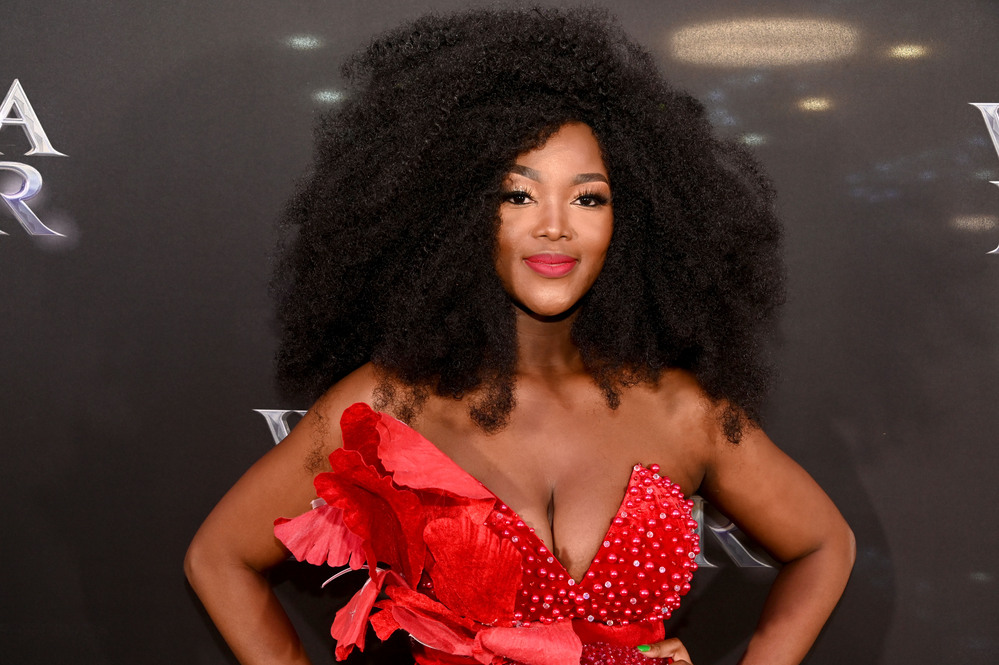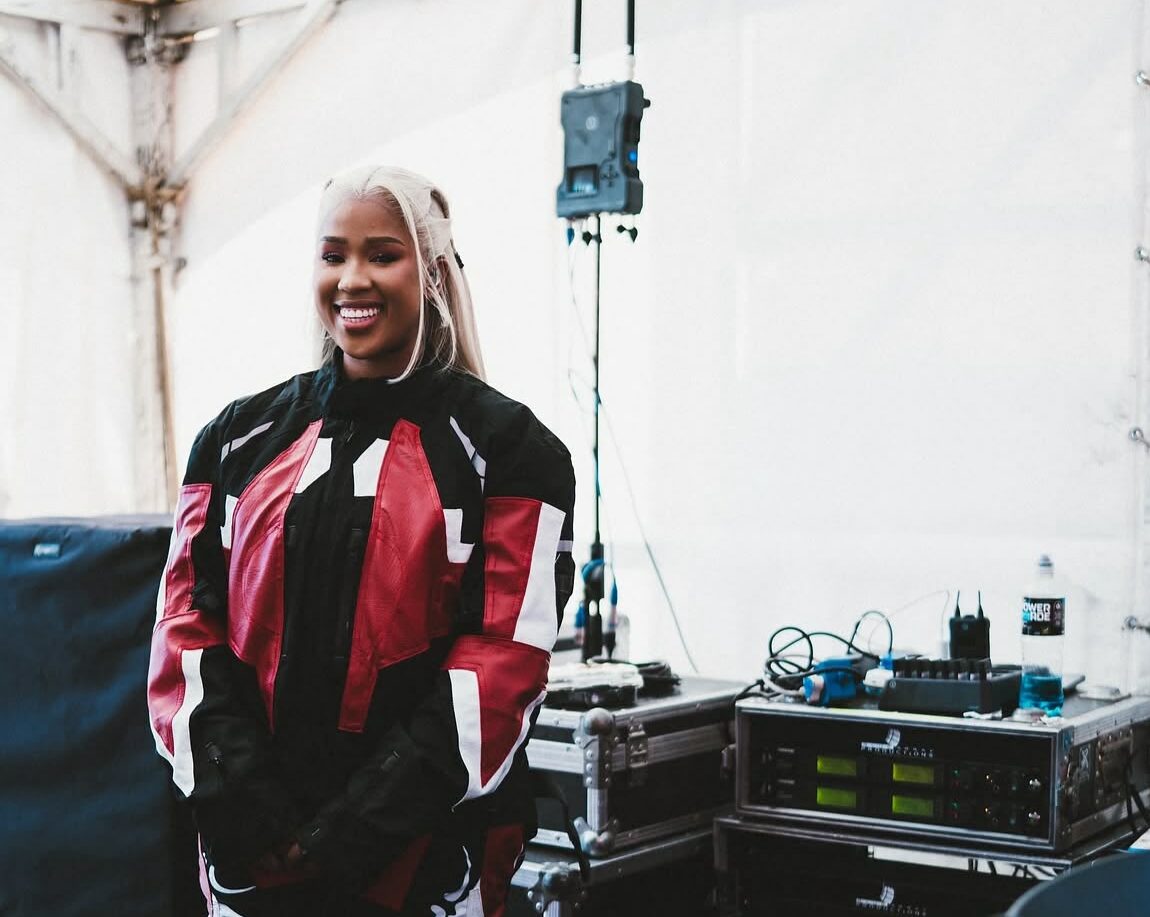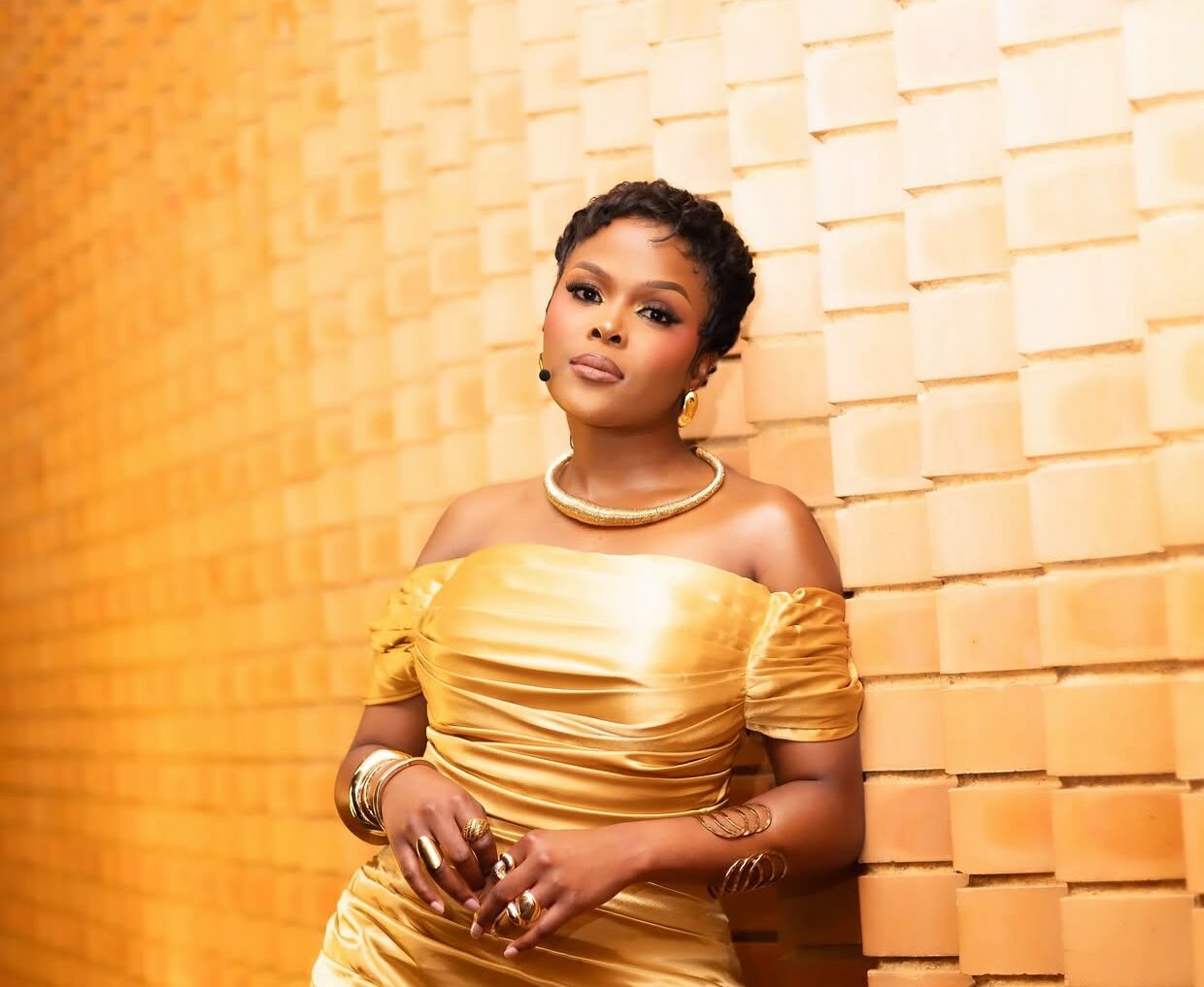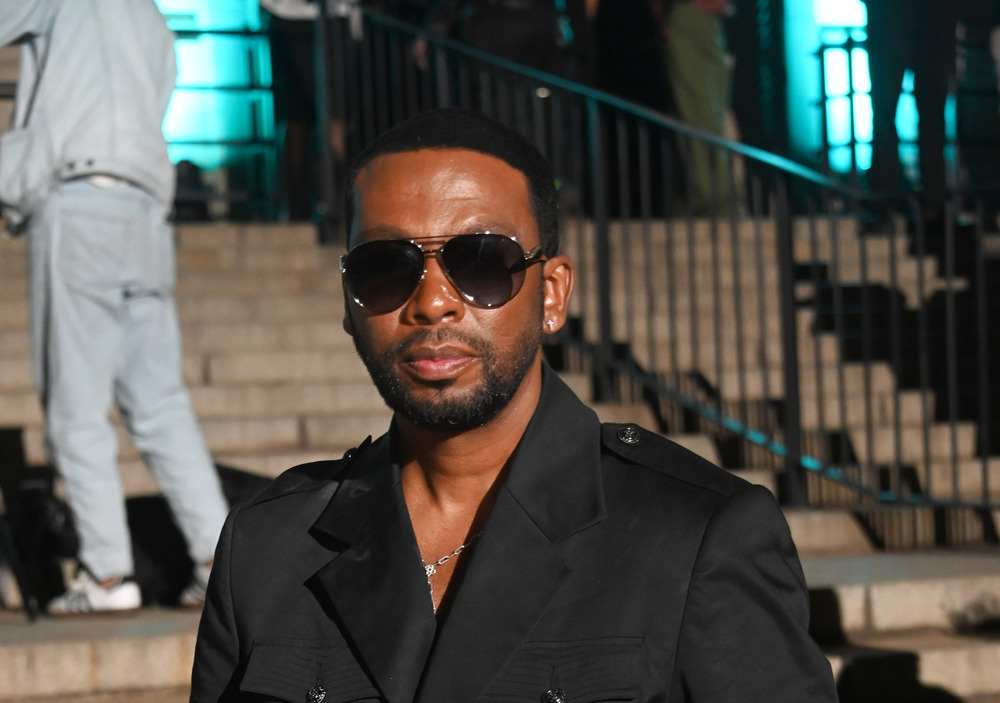
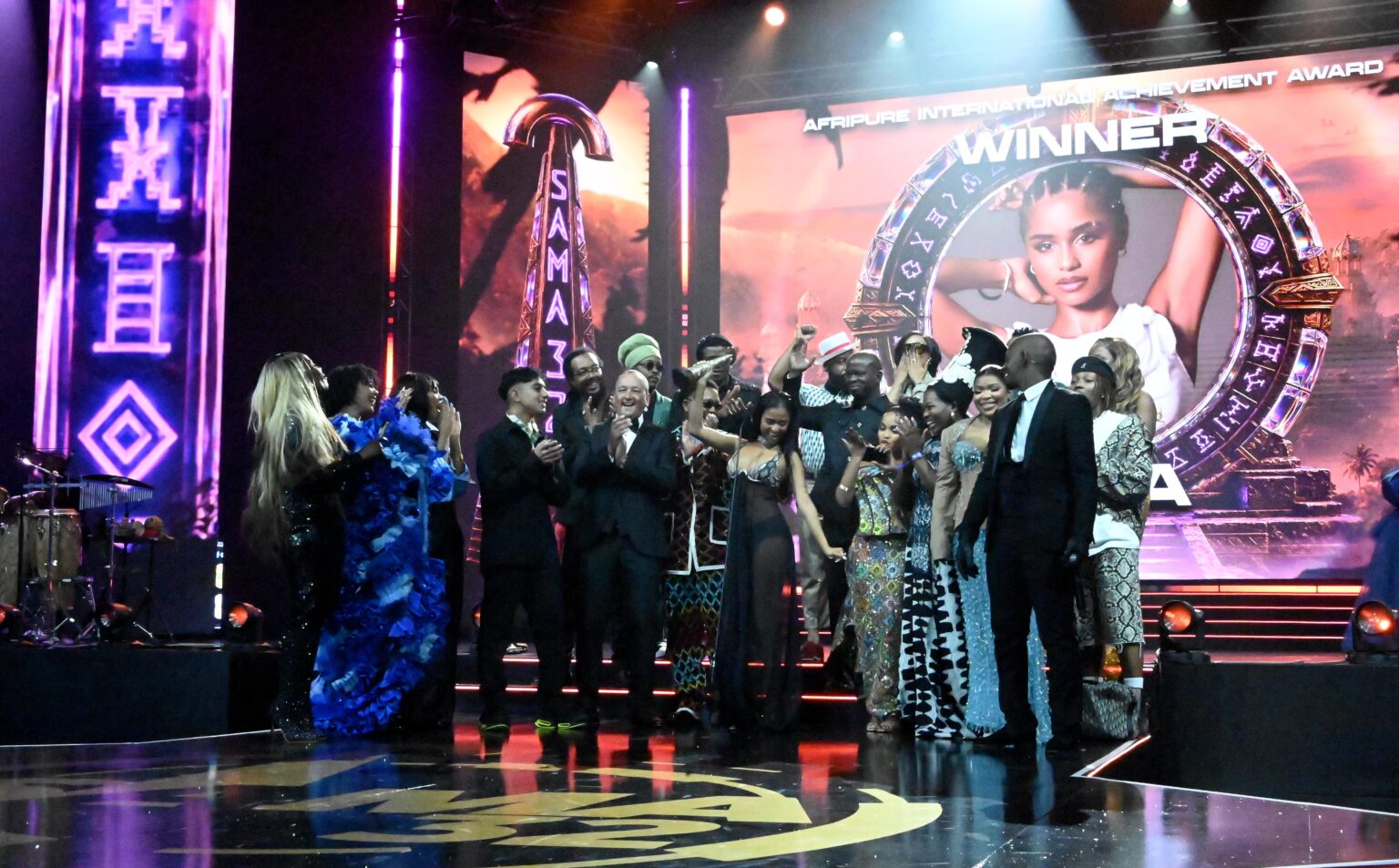
When two-time Grammy winner Tyla stepped onto the Sun City Superbowl stage to collect her AfriPure International Achievement Award at SAMA32, the moment was set up to be the night’s ultimate victory lap.
Also see: SAMA32 highlights: From Tyla’s stage callout to HLE’s big sweep
Taking the microphone, the 24-year-old global pop sensation paused her speech to invite her peers, including Cassper Nyovest, Makhadzi, Babalwa M, Zee Nxumalo, and Maglera Doe Boy, to join her on stage to share in the honour.
While the gesture sparked an immediate wave of applause inside the arena, social media was far more divided. What was intended as a unifying symbol of South African pride quickly ignited a fierce online debate over industry dynamics, fame, and authenticity.
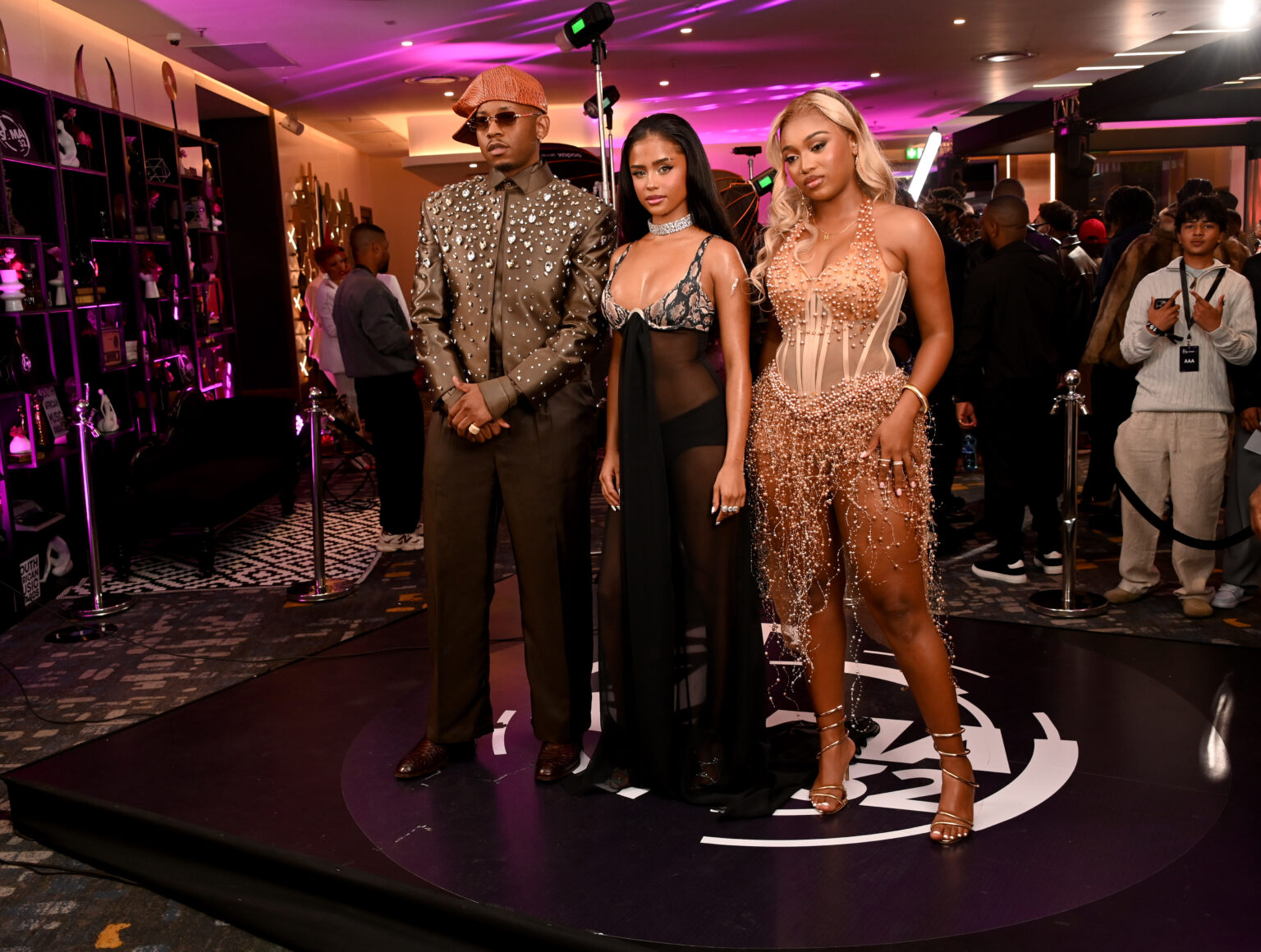
The unity narrative: “A win for one is a win for all”
For many fans and industry supporters, Tyla’s invitation was a gracious nod to the community that nurtured her. Having skyrocketed to international fame following her viral smash Water, Tyla acknowledged during her speech that navigating global stardom as a South African pioneer hasn’t always come with a map.
“There was no other Tyla before me, and I don’t have a roadmap,” she told the audience. “As I stumble through my career… I just thank South Africa for being there for me.”
Tyla invited artists from across the South African music industry present at the awards to join her on stage and celebrate this remarkable achievement together 🔥 #SAMA32 pic.twitter.com/Jfnqx4iaEM
— tyger4lyf (@mzansity) August 15, 2026
To her defenders, bringing heavyweights like Makhadzi and Cassper Nyovest into her frame was a conscious effort to ensure local creators were credited as part of her global footprint. Supporters praised her for using her massive international platform to shine a spotlight back on the artists keeping Mzansi’s radio waves alive.
Also see: How Tyla’s ‘A*POP’ takes inspiration from the South African music scene
The backlash: performative gestures vs real support
However, critics online were quick to view the moment through a harsher lens. On X (formerly Twitter) and TikTok, sceptics argued that calling established, award-winning South African legends onto the stage like “backing extras” felt patronising rather than empowering.
The hierarchy debate
Detractors noted that artists like Makhadzi and Cassper Nyovest have spent over a decade building massive domestic empires. Expecting them to trot up to share her moment, critics argued, subtly reinforced an unfair hierarchy where global validation trumps deep-rooted local success.
The ‘performative unity’ critique
Others questioned whether single-moment stage calls translate into tangible support for local genres, calling on major crossover acts to back up awards-night gestures with actual feature verses, production collaborations, and international tour slots for local talent.
Navigating the pressures of global stardom
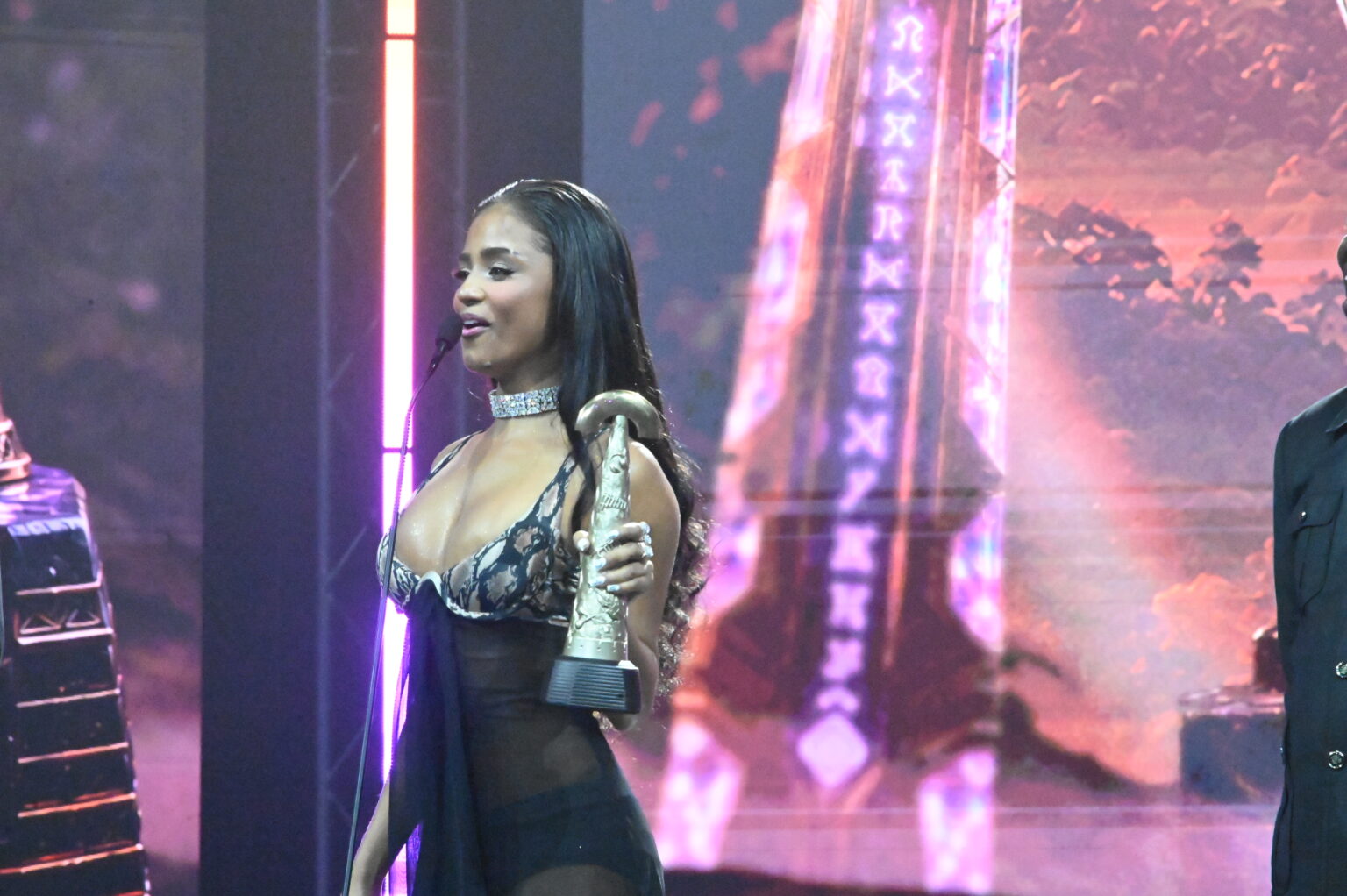
This isn’t the first time Tyla’s interactions with local culture and global media have come under intense scrutiny. As one of the few South African artists operating at the very peak of international pop culture, every move she makes, from red-carpet interviews to award speeches, is dissected by both domestic fans expecting local loyalty and a global audience looking for the next pop phenomenon.
Whether viewed as a genuine act of solidarity or an awkward stage moment, Tyla’s SAMA32 call-out underscores a continuing tension in Mzansi’s entertainment space: as South African soundscapes rule the world, the artists leading the charge carry the heavy expectation of balancing global stardom with local humility.
Also see: SAMA spotlight to Gold Reef City: Tyla’s unstoppable weekend
Be the first to know – Join our WhatsApp channel for content worth tapping into. Click here to join!