For generations, clothing has been about more than simply what we wear. In South Africa, fashion reflects identity, culture, creativity, and personal expression.
Also see: Local Fashion Police reveals 2026 judges as 6th edition kicks off
Today, however, a growing number of consumers are asking a new question before they buy: “Where did this come from, and what impact does it have?”
This shift is helping sustainable fashion move from a niche movement into a growing part of South Africa’s fashion landscape.
A new generation is rethinking fashion
South African consumers, especially younger generations, are becoming more conscious about the environmental and social impact of their choices. Fast fashion—known for producing inexpensive clothing quickly—has raised concerns about waste, overproduction, and the working conditions involved in garment manufacturing.
Many shoppers are now choosing fewer, better-quality pieces that last longer. Instead of constantly replacing clothes, people are embracing the idea of building wardrobes filled with meaningful, durable items.
The culture of reuse and creativity
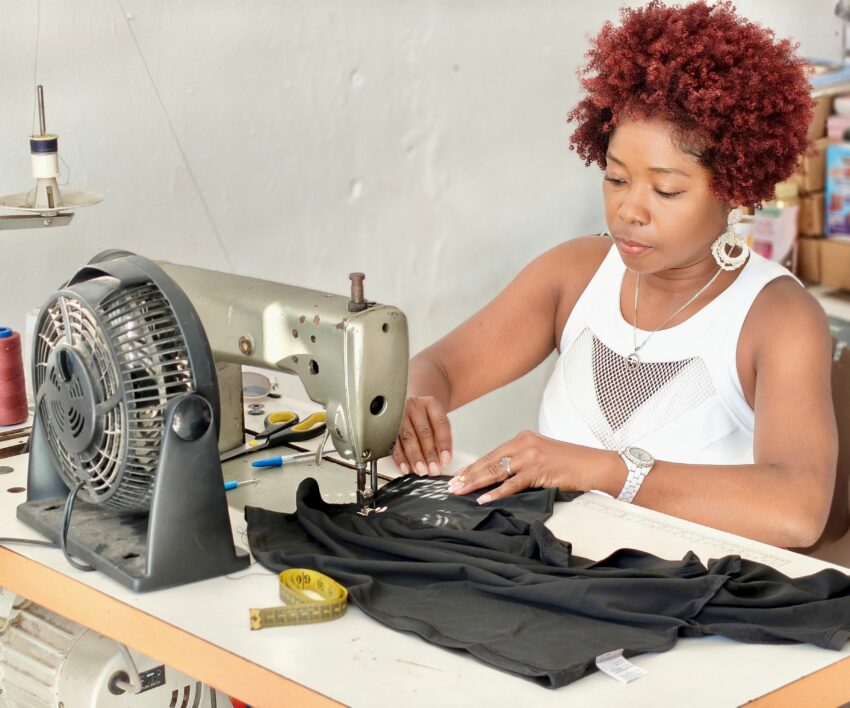
Sustainability is not a completely new idea in South Africa. Many South African homes have long practised ways of making the most of what they have, whether through repairing garments, passing clothing between family members, or creatively transforming older pieces.
The rise of sustainable fashion is bringing renewed appreciation for these traditions while combining them with modern design.
From handmade garments to upcycled clothing, South African designers are showing that fashion can be innovative without creating unnecessary waste.
The rise of thrifting and second-hand fashion
Second-hand shopping has become increasingly popular across South Africa. Thrift stores, vintage markets, clothing swaps, and online resale platforms are attracting consumers who want unique styles at affordable prices.
For many people, buying pre-loved clothing offers the best of both worlds: fashionable pieces with a smaller environmental footprint and lower cost.
Second-hand fashion is also changing perceptions. What was once seen as simply a budget option is now viewed as a creative way to discover one-of-a-kind items and avoid contributing to clothing waste.
Also see: Fashion Trends Taking Over South Africa Right Now
Although sustainable fashion is growing, challenges exist. Ethical clothing can sometimes be more expensive because it often involves higher-quality materials, fair wages, and slower production methods.
There is also a need for greater awareness, improved recycling systems, and more accessible sustainable options for everyday consumers.
However, the movement continues to grow as more people recognise that fashion choices have an impact beyond their own wardrobes.
The future of sustainable fashion
Sustainable fashion is becoming more than a trend—it is becoming part of a broader shift towards mindful living. As many more people are looking for ways to support local businesses, reduce waste, and make more responsible choices, the demand for ethical fashion is likely to continue growing.
The future of fashion may not be about having more clothes, but about having clothing that tells a story: creativity, culture, responsibility, and respect for the planet.
The growth of sustainable fashion in the country reflects a changing relationship with clothes, and consumers are moving towards thoughtful purchases, local creativity, and longer-lasting styles.
Also see: The Best Online Clothing Stores in South Africa for Fashion Lovers in 2026
Featured image: Pexels
Be the first to know – Join our WhatsApp channel for content worth tapping into. Click here to join!