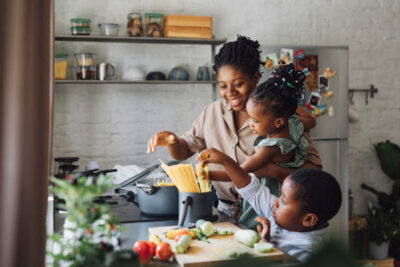
Meal prepping has become a popular way to save time, reduce food waste and make healthier eating more manageable. While the idea of preparing several meals in advance may seem overwhelming, getting started doesn’t have to be complicated.
Also see: Meal prep tips for busy professionals
By planning ahead and keeping things simple, you can make weekday meals less stressful and avoid relying on expensive takeaways or convenience foods.
Here are some easy meal prep tips for beginners.
Start with a simple plan
One of the biggest mistakes beginners make is trying to prepare every meal for the week. Instead, start by prepping lunches or dinners for two or three days.
According to the Academy of Nutrition and Dietetics, planning meals before shopping can help you make healthier choices and reduce impulse purchases.
Write a shopping list based on your planned meals to avoid buying ingredients you won’t use.
Choose recipes with overlapping ingredients
Selecting meals that use many of the same ingredients saves money and reduces food waste.
For example, grilled chicken, roasted vegetables and brown rice can be used in:
- Rice bowls
- Wraps
- Salads
- Stir-fries
Using versatile ingredients also means you spend less time preparing different items.
Also see: 7 Easy one-pot meals for busy families
Prep ingredients instead of full meals
If you’re not ready to cook complete meals, prepare ingredients in advance.
Wash and chop vegetables, marinate proteins, cook grains and boil eggs so they’re ready to use throughout the week.
According to Harvard T.H. Chan School of Public Health, having healthy ingredients readily available makes it easier to choose nutritious meals.
Invest in quality food containers
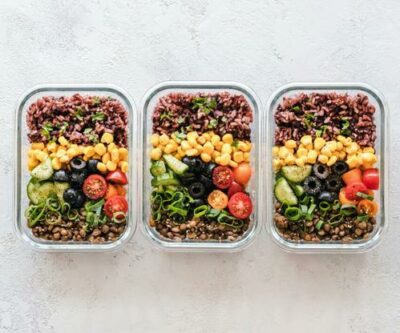
Good-quality reusable containers help keep meals fresh and make portion control easier.
Choose microwave-safe and freezer-friendly containers with secure lids to simplify storage and reheating.
Transparent containers also make it easy to see what’s available in your fridge.
Cook in batches
Preparing larger portions can save both time and energy.
Foods that freeze well include:
- Soups
- Stews
- Chilli
- Pasta sauces
- Cooked beans
The United States Department of Agriculture recommends cooling cooked food promptly and refrigerating it within two hours to reduce the risk of foodborne illness.
Keep meals balanced
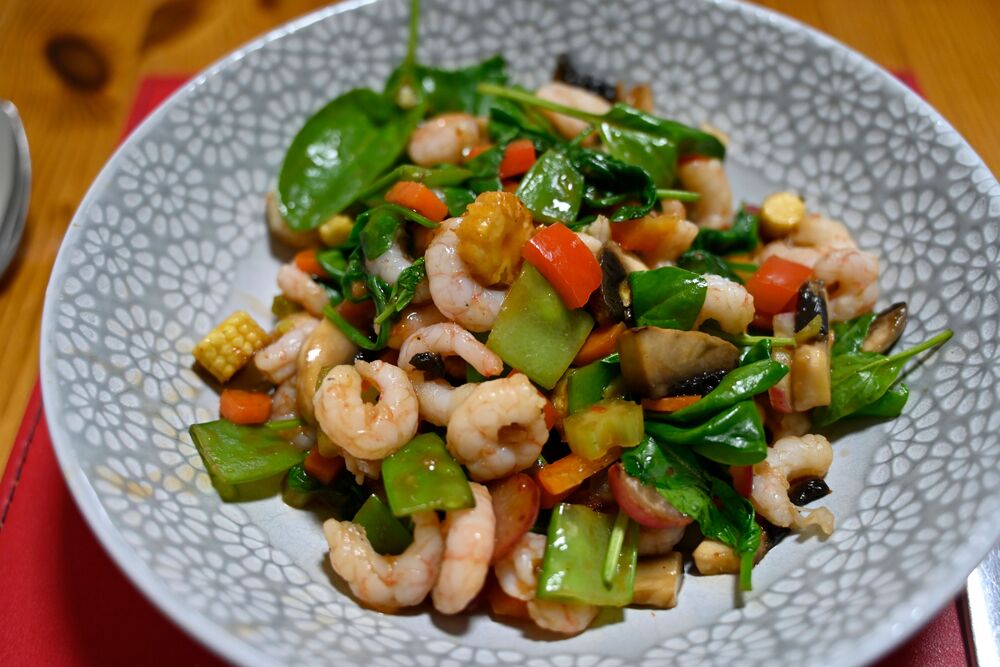
Aim to include:
- Lean protein
- Whole grains or healthy carbohydrates
- Plenty of vegetables
- Healthy fats
A balanced meal can help keep you satisfied and provide sustained energy throughout the day.
Don’t forget healthy snacks
Preparing snacks ahead of time can help reduce unnecessary snacking on processed foods.
Easy options include:
- Fresh fruit
- Greek yoghurt
- Mixed nuts
- Vegetable sticks with hummus
- Boiled eggs
Having healthy snacks readily available can make it easier to stick to your nutrition goals.
Label and date your meals
Use labels or masking tape to mark the preparation date on containers.
The USDA advises consuming refrigerated meal-prepped foods within three to four days, while frozen meals can last much longer if stored correctly.
Leave room for flexibility
Meal prepping doesn’t mean every meal has to be identical.
Prepare a few different proteins, vegetables and grains that you can mix and match throughout the week to keep meals interesting.
Flexibility can also make it easier to accommodate unexpected plans or cravings.
Keep improving your routine
Meal prepping becomes easier with practice. Start small, learn what works for your schedule and gradually build a routine that suits your lifestyle.
With a little planning and preparation, you’ll spend less time worrying about what to cook and more time enjoying healthy, home-cooked meals.
Also see: Quick & Easy South African Dinner Recipes: Affordable Meals for Busy Families
Be the first to know – Join our WhatsApp channel for content worth tapping into. Click here to join!