
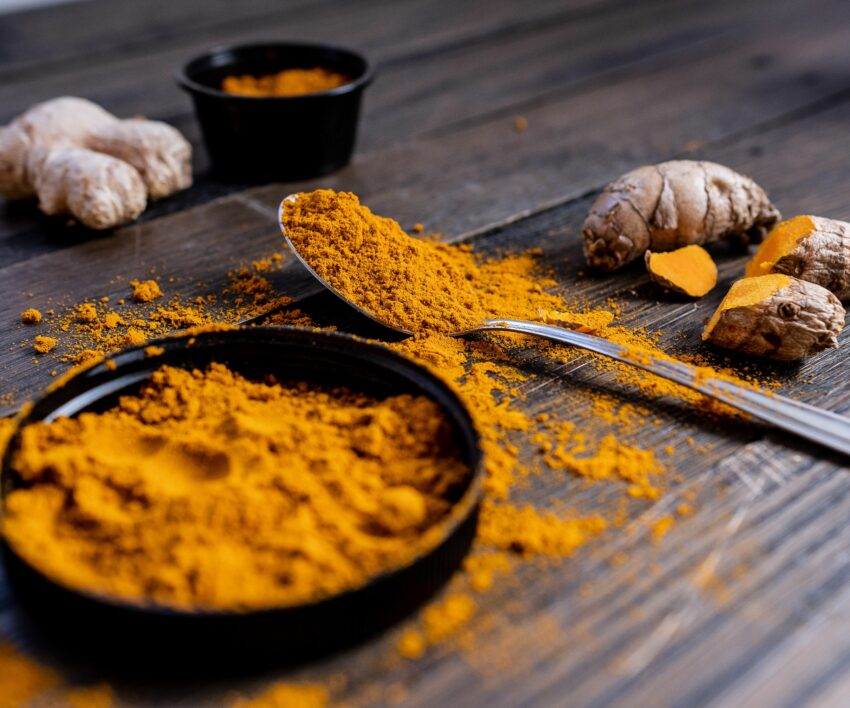
Turmeric, a vibrant yellow spice commonly used in cooking, has long been celebrated for its impressive health benefits. Beyond its culinary appeal, turmeric contains powerful compounds that can positively impact various aspects of well-being.
Also see: Side effects of consuming spicy foods
Health benefits of turmeric
Anti-inflammatory properties
The active compound in turmeric, curcumin, is known for its strong anti-inflammatory effects. Chronic inflammation is linked to many diseases, including heart disease, cancer, and arthritis. By reducing inflammation, turmeric may help alleviate symptoms and improve overall health.
Contains antioxidant effects
Turmeric is rich in antioxidants, which help protect the body from damage caused by free radicals. These harmful molecules contribute to ageing and many chronic conditions. Antioxidants in turmeric help neutralise free radicals, supporting cellular health and longevity.
Can help support brain health
Curcumin has been shown to cross the blood-brain barrier, potentially aiding brain function. It may enhance memory and reduce the risk of neurodegenerative diseases such as Alzheimer’s by reducing inflammation and oxidative stress in the brain.
Promotes heart health
Turmeric can improve the function of the endothelium, the lining of blood vessels, which helps regulate blood pressure and clotting. Its anti-inflammatory and antioxidant properties also contribute to reducing the risk of cardiovascular diseases.
Also see: The hidden risks of combining turmeric with certain medication
Assists digestion
Traditionally, turmeric has been used to support digestion. It can stimulate bile production, aiding in the breakdown of fats and improving digestive efficiency.
In everyday use, adding turmeric to your food is usually safe and can be a helpful part of a healthy diet.

Also see: Best Soup and Comfort Food Spots in Johannesburg to Warm Up This Winter
Featured image: Pexels
Be the first to know – Join our WhatsApp channel for content worth tapping into. Click here to join!