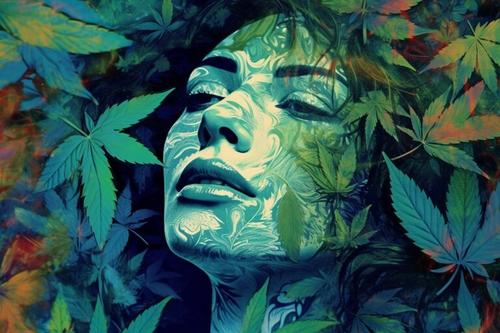
Cannabis has long been celebrated as a natural stress reliever, a pain aid, and even a wellness ritual. But recent research is challenging the “safe and natural” image of the plant, uncovering a worrying connection between cannabis, paranoia, and mental health, particularly for those who have experienced childhood trauma.
Trauma Leaves a Mark
A World Mental Health Survey Consortium study found that roughly 70% of adults experience some form of trauma in their lifetime. These experiences can range from witnessing a loved one’s death to surviving abuse or life-threatening events. While trauma is deeply personal and subjective, its effects can be long-lasting, shaping how people cope with stress, trust others, and process fear.
Cannabis and Paranoia: The Risky Link
Researchers from King’s College London and the University of Bath studied more than 3,300 adults in the Cannabis & Me survey, focusing on how cannabis affects paranoia. The findings were striking:
-
Individuals who used cannabis to self-medicate for anxiety, depression, or pain consumed higher levels of THC, the main psychoactive compound.
-
Over 50% of respondents reported childhood trauma, which made them more prone to paranoia when using cannabis.
-
Self-medication intensified paranoid thoughts far more than recreational use.
Dr Giulia Trotta, lead author, explained: “Trauma raises the risk of paranoia later in life, and cannabis can amplify this effect, depending on the nature of that trauma.”
How Cannabis Triggers Paranoia
Paranoia isn’t just feeling a little anxious; it’s a persistent fear that others intend to harm you. In a controlled Oxford University experiment, volunteers given a strong dose of THC showed a 50% incidence of paranoid thoughts, compared to just 30% in the placebo group. Researchers concluded that paranoia arises more from distorted perception and heightened anxiety than memory lapses.
Self-Medication Isn’t Risk-Free
People who use cannabis to cope with mental health or pain issues tend to consume larger amounts and more frequently, increasing their risk.
Professor Robin Murray of King’s College London warned: “Contrary to popular belief, cannabis is not medicinal for anxiety or depression. These are the very conditions most linked to paranoia and psychosis.”
In South Africa, medicinal cannabis is legal, but only through a Section 21 application via SAHPRA. Approved uses include chronic pain, chemotherapy-induced nausea, epilepsy, multiple sclerosis, and insomnia, with evidence for some conditions still emerging.
High Potency, Higher Risk
Cannabis today is stronger than ever, raising concerns about addiction and mental health:
-
Daily use of high-THC cannabis is linked to anxiety, depression, lack of motivation, and a fivefold increase in psychosis risk, especially in adolescents, according to the Royal College of Psychiatrists.
-
Trauma history further compounds the risk, making self-medication a potentially dangerous practice.
What This Means for Users
The takeaway is clear: cannabis is not risk-free, and its effects depend on why, how, and how much you use it. Experts recommend:
-
Screening for trauma: Healthcare providers should ask about childhood experiences before advising cannabis use.
-
Monitoring mental health: Regular checks for paranoia, anxiety, or depression are crucial for habitual users.
-
Tracking THC intake: Standardised “THC units,” similar to alcohol, could help users manage consumption.
-
Exploring safer alternatives: Counseling, therapy, or non-psychoactive medications may be better for self-medicating anxiety, depression, or pain.
A Cautionary Tale
Cannabis may feel like a natural fix, but for many, especially those with trauma histories, it can worsen underlying mental health issues. Paranoia, anxiety, and psychosis aren’t just rare side effects, they’re real risks amplified by high-THC products and self-medication.
For South Africans and global users alike, the message is simple: know your history, watch your dosage, and seek professional support. Wellness isn’t just about easing stress, it’s about safeguarding your mind.
{Source: IOL}
Featured Image: X {@NeuroscienceNew}