
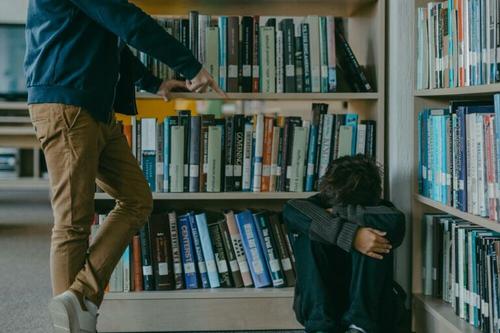
School experiences vary greatly from person to person, with some cherishing fond memories while others recall difficult times.
The unpleasant memories or difficult times may be as a result of struggles one may have had to endure, including being bullied either by peers or teachers.
Bullying can have a profound and varied impact on children; such as an emotional and psychological effect that leads to anxiety, low self-esteem and post-traumatic stress disorder (PTSD).
Social and academic effects like social isolation, decreased academic performance and absenteeism also form part of the list.
Here are some ways in which children can deal with being bullied at school from Kids Health:
Tell an adult: Once you feel bullied at school, report to teachers, principals, parents, and lunchroom personnel at school to help stop bullying.
Hold the anger: It is natural to feel angry when you see the bully. However, doing so may lead to them bullying you more, as they thrive on that.
The publication suggests that children practice not reacting by crying or looking upset. “It takes a lot of practice, but it’s a useful skill for keeping off of a bully’s radar. Sometimes kids find it useful to practice “cool down” strategies such as counting to 10, writing down their angry words, taking deep breaths, or walking away.”
Talk about it:Talking about the issue helps to ease its effects. “Talk to someone you trust, such as a guidance counsellor, teacher, sibling, or friend. They may offer some helpful suggestions. Even if they can’t fix the situation, it may help you feel a little less alone,” suggested the publication.
The Department of Basic Education (DBE) has also put together strategies to combat bullying as a parent.
- Assure children that you will immediately investigate and report the situation with the school principal or senior teacher.
- Check if your child needs to avoid certain areas on school property at certain times.
- Suggest that your school increases supervision in the high-risk areas where the child has to go or more closely monitor the child’s interactions with other learners.
- Encourage your child to talk to an adult, such as a supportive teacher, every day to provide an update on the mistreatment.
- Stay calm.
- Be sensitive to the fact that your child may feel embarrassed and ashamed.
- Find out what happened, who was involved, as well as when and where it happened, and keep a record of this information.
- Express confidence that you, the adults at school, and your child will be able to find a solution.
Also see: Bullying, violence and vandalism in primary school: Study explores a growing crisis in SA