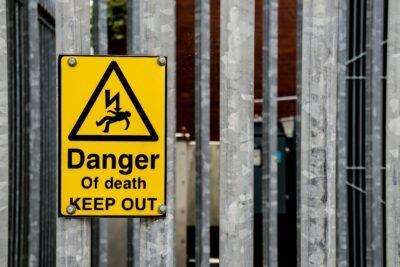
South African homeowners are on alert as stricter law enforcement surrounding electric fences takes shape.
With this security measure being particularly prevalent among residential and commercial property owners alike, it is imperative to understand the potential legal and financial repercussions of failing to comply with the established laws on electric fencing.
According to the personal injury law firm DSC Attorneys, electric fencing poses inherent dangers and must be both installed and maintained to the highest standards for safety.
Although electric fences can deter would-be burglars when functioning correctly, improperly maintained systems could lead to severe injuries or even fatalities.
How electric fencing works
At its core, electric fencing consists of multiple strands of wire powered by an energiser or transformer. When installed properly, the energiser generates periodic electronic pulses that can reach up to 10,000 volts.
As the electricity flows through the wires in a series of short bursts, the system is designed to be non-lethal when touched. However, this safety is contingent upon proper installation and maintenance, with any fault posing a risk.
The dangers of malfunction
When a transformer, responsible for converting low-voltage power into high-voltage, fails, or if an individual or animal becomes entangled in loose wiring, the outcome can be catastrophic.
The potential for serious injury or death increases significantly, particularly for vulnerable groups such as young children and individuals with heart conditions or pacemakers, who may suffer adverse effects from sustained high-voltage electric shocks.
The legal implications of non-compliance
Homeowners must be acutely aware that without a valid Certificate of Compliance issued by a qualified electric fencing installer registered with the Department of Labour, they can face both civil and criminal liabilities for any injuries linked to their fencing.
The 2011 Electrical Machinery Regulations outline specific requirements that electric fencing systems must meet to be considered lawful.
Regulations governing electric fencing
- The fence must be installed on a wall of at least 1.5 metres in height.
- If angled brackets are used, the maximum outward angle should not exceed 45 degrees, and they must be positioned on the interior side of the boundary wall.
- Consent from neighbours is mandatory if the angled brackets intrude onto their property.
- The installation must ensure no hazards or entanglements for people or animals.
- The maximum allowable distance between posts is three metres.
- A minimum of three earth spikes must be installed for every 30 metres of fencing.
- Barbed or razor wire electrification is prohibited.
- Yellow warning signs must be visibly placed at all gates and entry points.
- Electrified gates must be designed to allow for safe opening and closing without electric shocks.
- Failure to adhere to these regulations not only jeopardises safety but can also result in steep fines or imprisonment, particularly in instances where fencing inflicts significant injury.
- Claims for electric fencing injuries
If a person or their child is injured by electric fencing that does not meet the required safety standards, claims for personal injury can be pursued against the homeowner responsible for the installation.
The growing concerns about safety regulations highlight the importance of ensuring that all electric fencing installations are compliant with legal standards.
Written by Sibuliso Duba
First Published by Cape {Town} etc
Also read: 11 things you need to check before you buy a house