Ketamine—once known primarily as a party drug or anaesthetic, is now hailed as a breakthrough in mental health care. But with all its promising benefits, many are left wondering: Is it safe? As ketamine clinics pop up across the country and more people explore its potential, understanding the safety and long-term effects of this powerful drug is essential for making informed health decisions.
According to the National Library of Medicine, ketamine hydrochloride is a Food and Drug Administration (FDA)-approved general anaesthetic used for brief medical procedures and as a pre-anaesthetic for general anaesthesia. It also enhances the effects of low-potency substances like nitrous oxide.
“In addition to its anaesthetic applications, ketamine proves invaluable in pain management, addressing treatment-resistant depression, managing suicidal ideation, and treating refractory status epilepticus, with specific indications awaiting FDA approval.”
Ketamine causes hallucinations, distortion of perceptions, and disconnection, leading to agitation, depression, cognitive difficulties, and amnesia, states the Drug Enforcement Administration. It is said to also cause Hallucinogen Persisting Perception Disorder (HPPD), which “May include experiencing prolonged visual disturbances.”
Due to this drug’s effect on the human body and the relief is comes with it, it is most likely to be misused. The Johns Hopkins Bloomberg School of Public Health claims that for many years, ketamine was a popular party drug and that self-medication of this drug carries danger.
The Partnership to End Addiction states that ketamine can cause a “K-hole” experience, a sensory detachment similar to a near-death experience, which can cause psychosis. Additionally, it is mentioned that low doses can cause attention, learning, and memory problems, while high doses can cause delirium, confusion, memory loss, and physical movement issues.
“Ketamine combined with opioids or alcohol can cause an individual to pass out, vomit or even fatally overdose. Ketamine-related poisonings have also increased in recent years.”
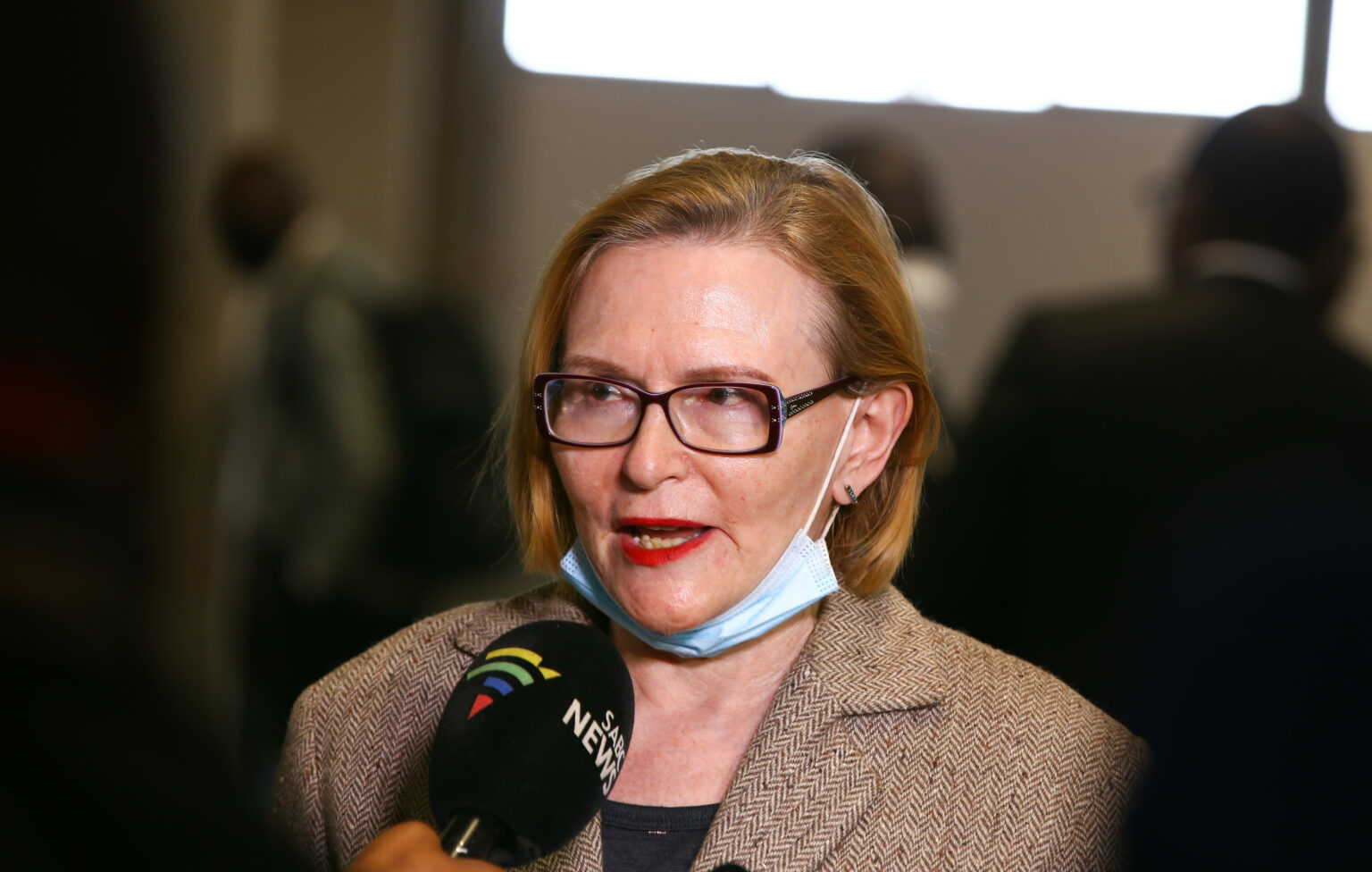
In a recent report by the South African Broadcasting Corporation (SABC) publication, it was mentioned that the South African Society of Psychiatrists (SASOP) warns against the recreational or unsupervised use of ketamine. Dr Bavi Vythilingum, who is a member of SASOP warned of the rising number of independent clinics offering Ketamine treatment for depression and other mental health conditions, urging safe, supervised settings with doctors and nurses present.
Dr Bavi stated that ketamine is used in strong doses, with recreational users taking higher doses. He then cautioned that it should be used in a safe, supervised setting with a doctor and nurse present, and monitored for blood pressure and pulse.
Also see: Can antidepressants cause weight gain?